

How to Prepare for natural disasters like fires, floods, and blackouts
Preparing for natural disasters like fires, floods, and blackouts is essential to ensure the safety and resilience of your household. This guide provides comprehensive steps for preparing before, during, and after these emergencies, along with trending hashtags to help spread awareness and encourage community support.

Pre-Fire Preparation
During a Fire
 After a Fire
Pre-Flood Preparation
Before a Flood
 During a Flood
After a Flood
Pre-Blackout Preparation
Before a Blackout
 During a Blackout
After a Blackout
During a Blackout
After a Blackout

Pre-Fire Preparation
Before a Fire
Install Smoke Alarms:
- Place smoke alarms on every level of your home, inside bedrooms, and outside sleeping areas. Test them monthly and replace batteries as needed[#FireSafety].
Create a Fire Escape Plan:
- Develop a fire escape plan with multiple exit routes from each room. Practice this plan regularly with all family members[#EscapePlan].
Maintain Safe Surroundings:
- Keep flammable materials away from heat sources. Store them in approved containers and well-ventilated areas[#FlammableSafety].
- Regularly check electrical cords for fraying or damage and replace them immediately[#ElectricalSafety].
Evacuate Immediately:
- If a fire occurs, get out and stay out. Call for help and never go back inside for anything or anyone[#FireEvacuation].
Stay Low:
- If you encounter smoke, stay low to the ground to avoid inhaling it[#SmokeSafety].
Ensure Safety:
- Do not enter a fire-damaged home until authorities declare it safe. Be cautious of structural damage[#PostFireSafety].
Address Health Needs:
- Provide first aid where necessary and seek medical attention for serious injuries. Watch for signs of stress in yourself and loved ones[#HealthRecovery].
Before a Flood
Understand Your Risk:
- Determine your flood risk and consider purchasing flood insurance if you live in a flood-prone area[#FloodRisk].
Prepare Your Home:
- Retrofit your property by elevating appliances and installing check valves in sewer traps to prevent backups[#HomePreparation].
Create a Flood Emergency Kit:
- Include water, non-perishable food, first aid supplies, flashlights, batteries, and important documents in a waterproof container[#FloodKit].
Plan Evacuation Routes:
- Know your evacuation zone and routes. Practice flood drills with your family to ensure everyone knows what to do[#EvacuationPlan].
Avoid Floodwaters:
- Do not walk or drive through floodwaters. Even shallow water can be dangerous and hide hazards[#FloodSafety].
Heed Warnings:
- Follow evacuation orders from authorities and move to higher ground immediately[#EvacuationOrders].
Return with Caution:
- Be cautious when returning home. Check for structural damage and avoid areas with standing water, which may be contaminated[#PostFloodSafety].
Document Damage:
- Take photos of damage for insurance claims and begin the cleanup process by removing wet items to prevent mold[#DamageDocumentation].
Before a Blackout
Build an Emergency Kit:
- Include flashlights, batteries, cash, and first aid supplies. Ensure you have alternative charging methods for devices, such as solar-powered chargers[#BlackoutKit].
Prepare Your Home:
- Know how to manually operate your garage door and keep your car’s gas tank full, as gas stations may not operate during a blackout[#HomePreparedness].
Plan for Power-Dependent Needs:
- If you rely on medical devices that require power, have a backup plan in place[#MedicalPreparedness].
Use Safe Lighting:
- Use flashlights or battery-operated lanterns instead of candles to prevent fire hazards[#LightingSafety].
Preserve Food:
- Keep refrigerator and freezer doors closed to maintain temperature. Discard perishable food if it has been above 40°F for more than two hours[#FoodSafety].
Check Appliances:
- Once power is restored, check appliances for damage and avoid using them if they appear faulty[#ApplianceSafety].
Restock Supplies:
- Replenish your emergency kit with fresh batteries and other used supplies to be prepared for future outages[#RestockSupplies].
By following these preparation and recovery steps, you can enhance your resilience against fires, floods, and blackouts. Use the provided hashtags to share information and encourage others to prepare effectively. Remember, preparation is key to minimizing the impact of these emergencies on your life and community.
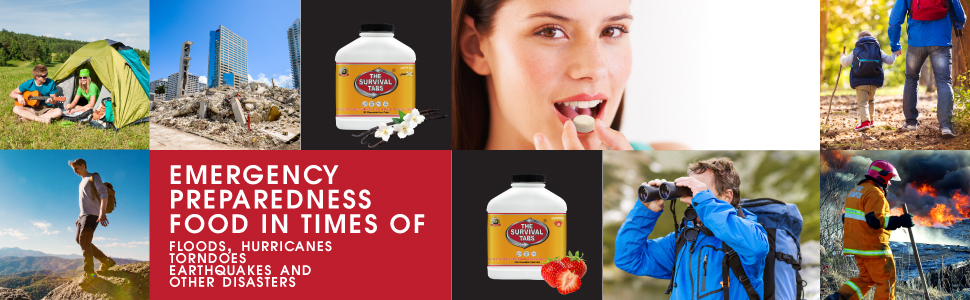
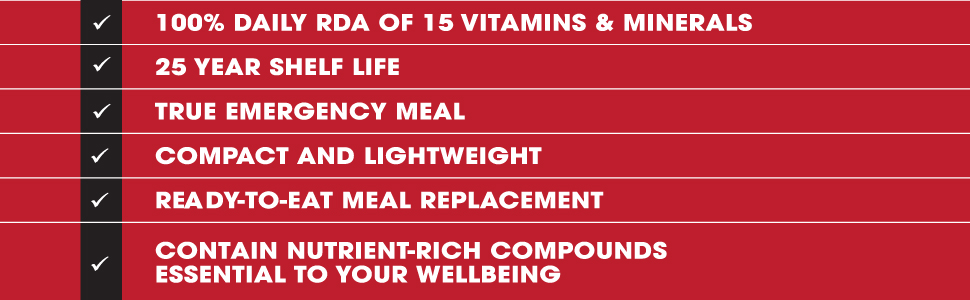
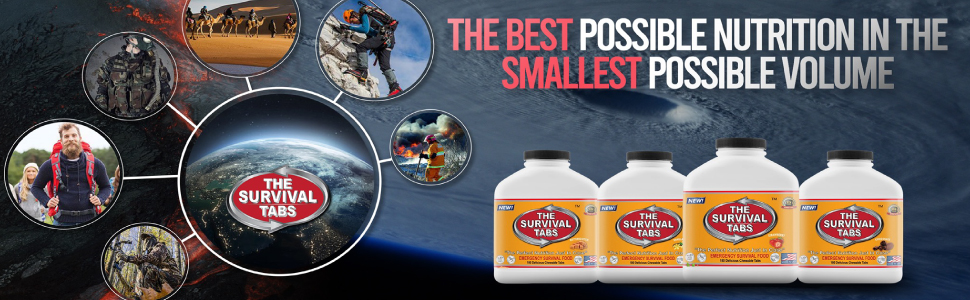
o provide the body with 100% of the daily essential vitamins and minerals required to maintain physical functions such as dexterity, stamina and coordination.
***Statements regarding dietary supplements have not been evaluated by the FDA and are not intended to diagnose, treat, cure, or prevent any disease or health condition.***
 |
 |
 |
 |
 |
|
|---|---|---|---|---|---|
| 720 Tabs Emergency Food Survival Gluten Free and Non-GMO 25 Years Shelf Life | Food Supply 96 Tabs Emergency Food Replacement Disaster Preparedness | Ultimate Preparedness Emergency Food Supply 25 year shelf life | Emergency Food Ration Survival MREs Food Replacement | Emergency Food Survival Food Meal Replacement MREs Gluten Free and Non-GMO | |
| Day Serving | 60 days | 8 days | 120 days | 15 days | 2 days |
| Shelf-Life | 25 years | 25 years | 25 years | 25 years | 25 years |
| Non-GMO | ✓ | ✓ | ✓ | ✓ | ✓ |
| Gluten Free | ✓ | ✓ | ✓ | ✓ | ✓ |
| Tabs Amount | 720 | 96 | 1440 | 180 | 24 |