

How to prepare for natural disasters and emergencies
Preparing for natural disasters and emergencies is essential to protect yourself, your family, and your property. Here’s a comprehensive guide on how to prepare for floods, create an effective evacuation plan, build an emergency kit, stay safe during a home fire, and travel on foot for long distances.

Preparing for Floods
Floods are one of the most common and destructive natural disasters. Here are the best ways to prepare:
 Creating an Effective Evacuation Plan
An effective evacuation plan is crucial for any emergency situation:
An emergency kit should contain supplies to sustain you for several days:
 Staying Safe During a Home Fire
Fires can spread rapidly, so it's vital to be prepared:
Whether for leisure or emergency evacuation, traveling on foot requires preparation:
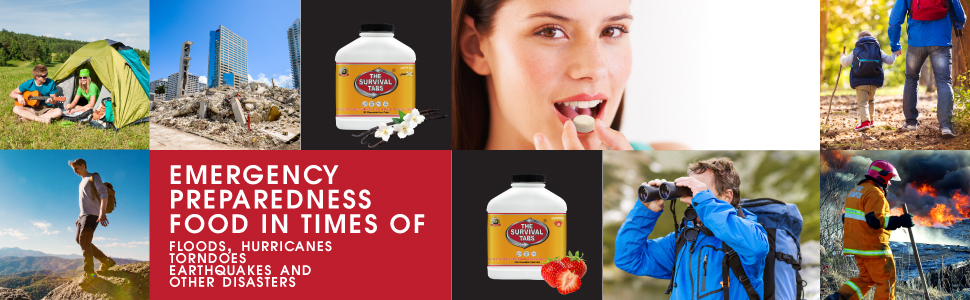

Preparing for Floods
Floods are one of the most common and destructive natural disasters. Here are the best ways to prepare:
- Know Your Risk: Use resources like FEMA's Flood Map Service Center to understand the flood risks in your area. Sign up for community warning systems to receive alerts[6].
- Purchase Flood Insurance: Homeowners' insurance typically does not cover flood damage. Consider buying flood insurance through the National Flood Insurance Program (NFIP) well in advance, as policies take about 30 days to become effective[5][6].
- Protect Important Documents: Store critical documents in waterproof containers and back up digital copies. This includes financial, medical, and legal documents[5].
- Prepare Your Home: Elevate utilities and appliances, install check valves in plumbing to prevent backups, and keep gutters clear to help reduce potential damage[5].
An effective evacuation plan is crucial for any emergency situation:
- Know Your Evacuation Routes: Familiarize yourself with local evacuation routes and shelters. Practice these routes with your family[6].
- Prepare a Go-Bag: Include essentials like identification, medications, cash, and supplies for pets. Ensure it is easily accessible[5].
- Stay Informed: Keep updated on local news and weather alerts. Use resources like NOAA Weather Radio for real-time information[6].
An emergency kit should contain supplies to sustain you for several days:
- Water and Food: Store at least one gallon of water per person per day and non-perishable food for several days[1][4].
- First Aid Kit: Include band-aids, antiseptic wipes, pain relievers, and any prescription medications[4].
- Tools and Safety Items: Flashlights, extra batteries, a multi-purpose tool, and a whistle are essential for safety and communication[4].
- Personal Hygiene Items: Include items such as toothbrushes, hand sanitizer, and feminine hygiene products[1][4].
- Communication Tools: A battery-powered or hand-crank radio and a cell phone with chargers and backup batteries are crucial for staying informed[1].
Fires can spread rapidly, so it's vital to be prepared:
- Install Smoke Alarms: Place alarms on every level of your home and test them monthly to ensure they are working[4].
- Create a Fire Escape Plan: Identify two exits from each room and practice fire drills with your family twice a year[4].
- Use Fire-Resistant Materials: When possible, use fire-resistant materials for home renovations and maintain a defensible space around your property[4].
Whether for leisure or emergency evacuation, traveling on foot requires preparation:
- Choose the Right Footwear: Select shoes with proper arch support, cushioning, and breathability to prevent foot fatigue and injuries[2].
- Pack Essentials: Carry water, non-perishable food, a map, a compass, and a first-aid kit. These items are crucial for survival and navigation[2].
- Dress Appropriately: Wear comfortable, weather-appropriate clothing and consider moisture-wicking socks to keep your feet dry[2].
By following these guidelines, you can enhance your preparedness for various emergencies. Remember, the key to safety is preparation and practice. Stay informed, stay ready, and stay safe.
**Statements regarding dietary supplements have not been evaluated by the FDA and are not intended to diagnose, treat, cure, or prevent any disease or health condition.***
 |
 |
 |
 |
 |
|
|---|---|---|---|---|---|
| 720 Tabs Emergency Food Survival Gluten Free and Non-GMO 25 Years Shelf Life | Food Supply 96 Tabs Emergency Food Replacement Disaster Preparedness | Ultimate Preparedness Emergency Food Supply 25 year shelf life | Emergency Food Ration Survival MREs Food Replacement | Emergency Food Survival Food Meal Replacement MREs Gluten Free and Non-GMO | |
| Day Serving | 60 days | 8 days | 120 days | 15 days | 2 days |
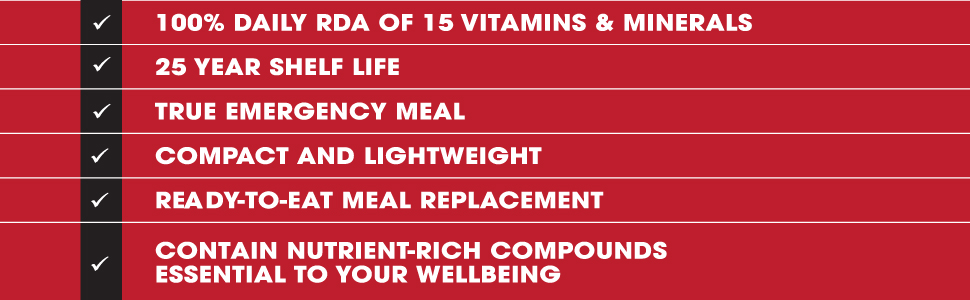
| Shelf-Life | 25 years | 25 years | 25 years | 25 years | 25 years |
| Non-GMO | ✓ | ✓ | ✓ | ✓ | ✓ |
| Gluten Free | ✓ | ✓ | ✓ | ✓ | ✓ |
| Tabs Amount | 720 | 96 | 1440 | 180 | 24 |