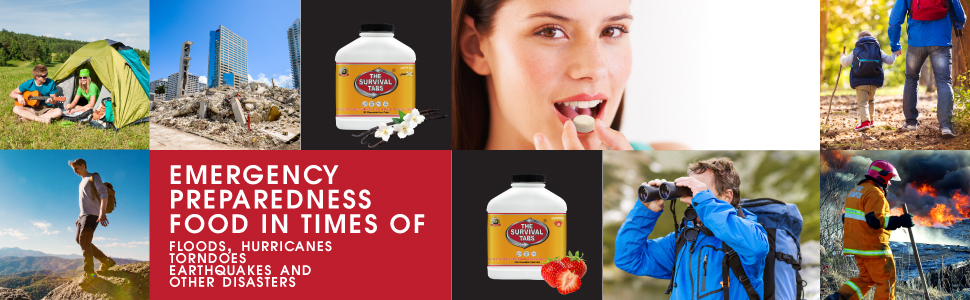
How to Prepare for natural disasters and emergencies

Earthquake Preparedness
Understanding Earthquake Risks
Earthquakes can happen without warning, causing significant damage. It's essential to be prepared, especially if you live in a high-risk area like California or Alaska[2][4].
Preparation Steps
- Create an Earthquake Plan: Identify safe spots in each room, such as under sturdy tables. Practice "Drop, Cover, and Hold On" drills with your family[2][4].
- Secure Your Home: Fasten heavy furniture and appliances to walls. Consider retrofitting your home if necessary[2][4].
- Emergency Kit: Assemble a kit with food, water, a flashlight, a fire extinguisher, and a whistle. Refresh supplies every six months[4].

Flood Preparedness
Understanding Flood Risks
Floods are among the most common natural disasters in the U.S. They can result from heavy rain, dam failures, or snowmelt[3].
Preparation Steps
- Protect Important Documents: Store critical documents in waterproof containers and back up digital copies[3].
- Build a Disaster Kit: Include medical supplies, food, water, and tools. Ensure you have enough for at least three days[3].
- Flood Insurance: Purchase flood insurance, as standard homeowner policies do not cover flood damage[3].
#FloodSafety #FloodPreparedness #DisasterKit
Fire Preparedness
Understanding Fire Risks: Fires can start suddenly and spread quickly. Preparing your home and family is vital to minimize risks[1][5].
Preparation Steps
- Install Smoke Alarms: Place alarms on every level of your home and test them monthly[1].
- Create a Fire Escape Plan: Ensure everyone knows two ways to exit each room and practice your plan twice a year[1].
- Fire-Resistant Materials: Use fire-resistant materials for home renovations and maintain a defensible space around your property[5].
#FireSafety #HomeFirePlan #WildfirePreparedness

Long-Distance Travel on Foot
Preparation Steps
- Plan Your Route: Know your destination and the safest path to get there. Avoid areas prone to natural hazards.
- Pack Essentials: Carry water, non-perishable food, a map, a compass, and a first-aid kit.
- Dress Appropriately: Wear comfortable, durable shoes and weather-appropriate clothing.
#TravelPreparedness #OnFootTravel #EmergencyTravel
Evacuation Planning
Understanding Evacuation Needs
Evacuations may be necessary during any disaster. Having a plan ensures a swift and safe departure.
Preparation Steps
- Know Your Evacuation Zone: Familiarize yourself with local evacuation routes and shelters[5].
- Prepare a Go-Bag: Include essentials like identification, medications, cash, and supplies for pets[5].
- Stay Informed: Sign up for emergency alerts and stay updated on local news[5].
#EvacuationPlan #GoBagEssentials #StayInformed
Being prepared for natural disasters and emergencies involves careful planning and regular practice. By following these guidelines, you can protect yourself and your loved ones from potential harm. Stay connected and informed using the trending hashtags provided. Remember, preparation is key to resilience and safety.
#EarthquakePreparedness #FloodSafety #FireSafety #TravelPreparedness #EvacuationPlan
***Statements regarding dietary supplements have not been evaluated by the FDA and are not intended to diagnose, treat, cure, or prevent any disease or health condition.***
 |
 |
 |
 |
 |
|
|---|---|---|---|---|---|
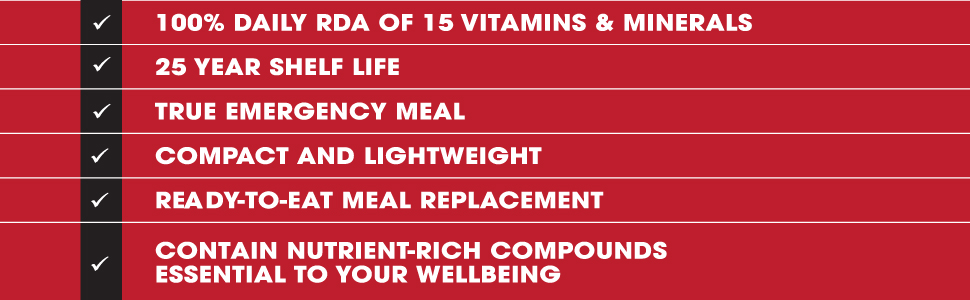
| 720 Tabs Emergency Food Survival Gluten Free and Non-GMO 25 Years Shelf Life | Food Supply 96 Tabs Emergency Food Replacement Disaster Preparedness | Ultimate Preparedness Emergency Food Supply 25 year shelf life | Emergency Food Ration Survival MREs Food Replacement | Emergency Food Survival Food Meal Replacement MREs Gluten Free and Non-GMO | |
| Day Serving | 60 days | 8 days | 120 days | 15 days | 2 days |
| Shelf-Life | 25 years | 25 years | 25 years | 25 years | 25 years |
| Non-GMO | ✓ | ✓ | ✓ | ✓ | ✓ |
| Gluten Free | ✓ | ✓ | ✓ | ✓ | ✓ |
| Tabs Amount | 720 | 96 | 1440 | 180 | 24 |