How to Grow Vegetables for Survival
Growing your own vegetables is a crucial skill for survival, especially in emergencies. Here’s how to get started:
Planning Your Survival Garden
1. Assess Your Space: Determine how much space you have available for gardening, whether it's a backyard, balcony, or community garden.
2. Choose the Right Crops: Select nutrient-dense, high-calorie crops that are well-suited to your climate. Some excellent choices include:
- Potatoes: High in carbohydrates and easy to store.
- Sweet Potatoes: Nutritious and adaptable to various conditions.
- Kale: A hardy green that can be harvested year-round.
- Beans and Peas: Great sources of protein and nitrogen-fixing plants.

3. Soil Preparation: Improve soil quality by adding organic matter like compost or well-rotted manure to boost fertility.
4. Watering Practices: Implement efficient watering techniques, such as drip irrigation or rainwater harvesting.
5. Companion Planting: Use companion planting techniques to deter pests and promote healthy growth (e.g., planting tomatoes with basil).
Emergency Preparedness
In case of emergencies, prepare by having a plan that includes:
- Emergency Supplies: Stock non-perishable food, water, first aid kits, and essential tools.
- Communication Plan: Ensure all family members know how to respond in emergencies and have a way to communicate.

Best Vegan Menu for Survival
A well-planned vegan menu can provide essential nutrients during emergencies. Here’s a sample menu:
Breakfast
- Oatmeal with dried fruits and nuts
- Smoothie with plant-based protein powder
Lunch
- Quinoa salad with canned beans, corn, and avocado
- Vegetable soup (canned or homemade)
Dinner
- Stir-fried vegetables with tofu over brown rice
- Lentil curry with whole grain bread
Snacks
- Trail mix with nuts, seeds, and dried fruits
- Vegan protein bars

Making Long-Term Survival Vegan Food from Vegetables You Can Grow
To create long-term survival food from your vegetable garden:
1. Canning: Preserve vegetables in jars using proper canning techniques for long-term storage.
2. Dehydrating: Dry vegetables using a dehydrator or an oven at low temperatures; store them in airtight containers.
3. Fermenting: Create fermented foods like sauerkraut or kimchi for added probiotics and preservation.
4. Freezing: If you have access to a freezer, blanch and freeze vegetables to maintain their nutritional value.

Growing Mushrooms for Food: Best Practices
Mushrooms can be an excellent addition to your survival garden. Here’s how to grow them effectively:
1. Choose the Right Type: Select edible varieties such as shiitake or oyster mushrooms that are easy to grow.
2. Use Suitable Substrate: Grow mushrooms on substrates like straw, wood chips, or sawdust.
3. Maintain Proper Conditions: Ensure the growing area has adequate humidity and temperature control; mushrooms thrive in dark, moist environments.
4. Harvesting: Pick mushrooms when they are young for the best flavor; avoid overharvesting to allow for regrowth.
By following these guidelines on vegetable gardening, meal planning, food preservation, and mushroom cultivation, you can create a sustainable food source that supports your survival needs.
#SurvivalGardening #VeganSurvivalFood #EmergencyPreparedness #MushroomCultivation #SelfSufficiency #SustainableLiving
 |
 |
 |
 |
 |
|
|---|---|---|---|---|---|
| 720 Tabs Emergency Food Survival Gluten Free and Non-GMO 25 Years Shelf Life | Food Supply 96 Tabs Emergency Food Replacement Disaster Preparedness | Ultimate Preparedness Emergency Food Supply 25 year shelf life | Emergency Food Ration Survival MREs Food Replacement | Emergency Food Survival Food Meal Replacement MREs Gluten Free and Non-GMO | |
| Day Serving | 60 days | 8 days | 120 days | 15 days | 2 days |
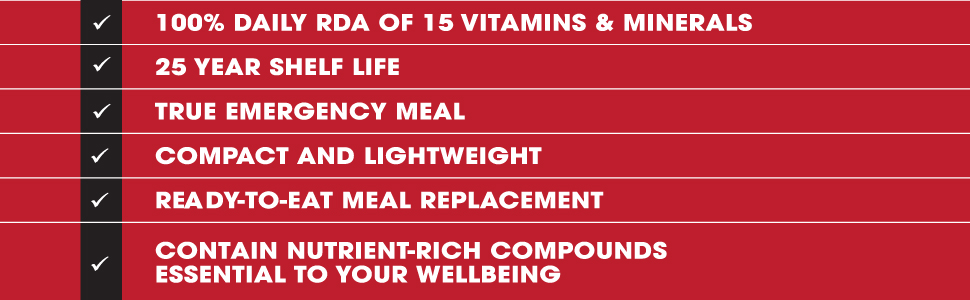
| Shelf-Life | 25 years | 25 years | 25 years | 25 years | 25 years |
| Non-GMO | ✓ | ✓ | ✓ | ✓ | ✓ |
| Gluten Free | ✓ | ✓ | ✓ | ✓ | ✓ |
| Tabs Amount | 720 | 96 | 1440 | 180 | 24 |