How to Choose an Outdoor Stove

Selecting the right outdoor stove can significantly enhance your camping or hiking experience. Here’s a comprehensive guide to help you make the best choice.
Consider Your Needs
- Intended Use: Determine where and how you’ll use the stove. Are you car camping, backpacking, or setting up a base camp? Each scenario may require different features.
- Group Size: Consider whether you’ll be cooking for just yourself or a larger group. This will influence the size and power of the stove you need.
- Weight and Portability: For backpackers, lightweight and compact designs are crucial. Heavier stoves might be suitable for car camping.
Types of Outdoor Stoves
1. Canister Stoves
- Pros: Lightweight, easy to use, and great for backpacking.
- Cons: Limited fuel capacity and may not perform well in cold weather.

2. Liquid Fuel Stoves
- Pros: Versatile, perform well in cold weather, and can use different fuel types.
- Cons: Require more maintenance and can be bulkier.
3. Wood-Burning Stoves
- Pros: Eco-friendly, using natural fuel; no need to carry fuel.
- Cons: Performance depends on the availability of dry wood.
4. Solid Fuel Stoves
- Pros: Ultra-lightweight and simple; ideal for minimalist camping.
- Cons: Limited heat output and cooking versatility.
5. Multi-Fuel Stoves
- Pros: Can use various fuel types; excellent for international travel.
- Cons: More complex to operate and often heavier.

Key Factors to Consider
- Fuel Type: Consider availability and efficiency of fuels like propane, butane, or liquid fuels.
- Cooking Power (BTU): Higher BTU ratings mean faster cooking but may consume more fuel.
- Stability: Ensure the stove is stable enough for your cooking needs, especially with larger pots.
- Wind Resistance: Look for models with built-in windscreens for better performance in windy conditions.
- Simmer Control: Important for more complex cooking tasks, ensuring you can cook at lower temperatures.
Maintenance and Safety
- Regular cleaning and maintenance will ensure the longevity of your stove.
- Always follow the manufacturer's safety guidelines to prevent accidents.
By considering these factors, you can choose an outdoor stove that best fits your cooking needs in various outdoor settings.
#OutdoorStove #CampingGear #BackpackingStove #OutdoorCooking #CampingEssentials #HikingGear #AdventureEquipment
 |
 |
 |
 |
 |
|
|---|---|---|---|---|---|
| 720 Tabs Emergency Food Survival Gluten Free and Non-GMO 25 Years Shelf Life | Food Supply 96 Tabs Emergency Food Replacement Disaster Preparedness | Ultimate Preparedness Emergency Food Supply 25 year shelf life | Emergency Food Ration Survival MREs Food Replacement | Emergency Food Survival Food Meal Replacement MREs Gluten Free and Non-GMO | |
| Day Serving | 60 days | 8 days | 120 days | 15 days | 2 days |
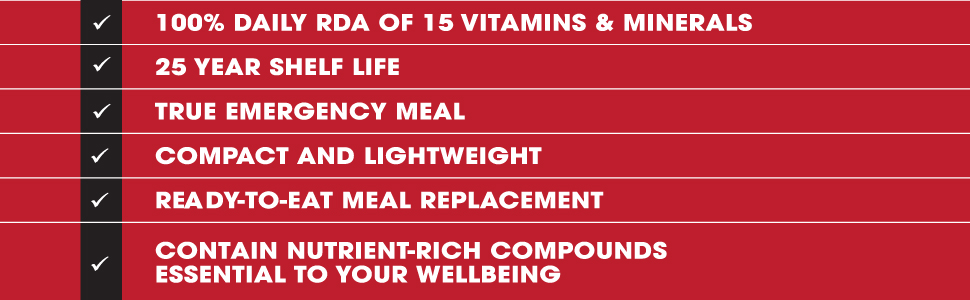
| Shelf-Life | 25 years | 25 years | 25 years | 25 years | 25 years |
| Non-GMO | ✓ | ✓ | ✓ | ✓ | ✓ |
| Gluten Free | ✓ | ✓ | ✓ | ✓ | ✓ |
| Tabs Amount | 720 | 96 | 1440 | 180 | 24 |