How to Choose a Hunting and Diving Knife
Selecting the right hunting and diving knife is crucial for both safety and utility in the field or underwater. Here are key considerations to help you make an informed choice:

1. Blade Type
- Hunting Knives: Choose between drop point, clip point, or skinning blades based on your intended use. Drop point knives are versatile for general tasks, while skinning blades are designed for precise cuts when dressing game.
- Diving Knives: Opt for either a pointed or blunt tip. Pointed tips are better for spearfishing, while blunt tips are safer for general diving tasks, reducing the risk of accidental punctures.
2. Blade Material
- Stainless Steel: Offers good corrosion resistance and durability, making it suitable for both hunting and diving applications.
- Titanium: Lighter and highly resistant to corrosion, but can be more expensive. Ideal for divers who need a lightweight option.
- Alloy Blades: Look for options that combine strength with corrosion resistance, especially important for saltwater environments.
3. Blade Length
- Hunting Knives: A blade length of 4 to 6 inches is generally ideal for most hunting tasks, providing a balance between maneuverability and cutting power.
- Diving Knives: A blade length of 4 to 6 inches is also sufficient for divers, allowing easy handling without being cumbersome.

4. Grip and Handle
- Ensure the handle is comfortable and provides a secure grip, especially if you’ll be using it with gloves. Materials can range from rubberized grips for better traction to solid metal handles.
5. Sheath Design
- Look for a sheath that allows easy access while securing the knife safely. Sheaths with locking mechanisms or bungee cords can prevent accidental loss during dives or hunts.
6. Weight and Portability
- Consider the weight of the knife; lighter knives are easier to carry but should still feel sturdy. For diving, a streamlined design is essential to avoid drag.
7. Multi-functionality
- Some knives come with additional features like line cutters or serrated edges, which can be useful in various situations, particularly in diving where cutting through lines may be necessary.
8. Maintenance Requirements
- Be aware of the maintenance required for different blade materials. Stainless steel may require regular oiling to prevent rust, while titanium needs less maintenance but can be more challenging to sharpen.
By considering these factors, you can choose a hunting and diving knife that suits your specific needs and enhances your outdoor experiences.
#HuntingKnife #DivingKnife #OutdoorGear #SurvivalTools #KnifeSelection #FishingGear
 |
 |
 |
 |
 |
|
|---|---|---|---|---|---|
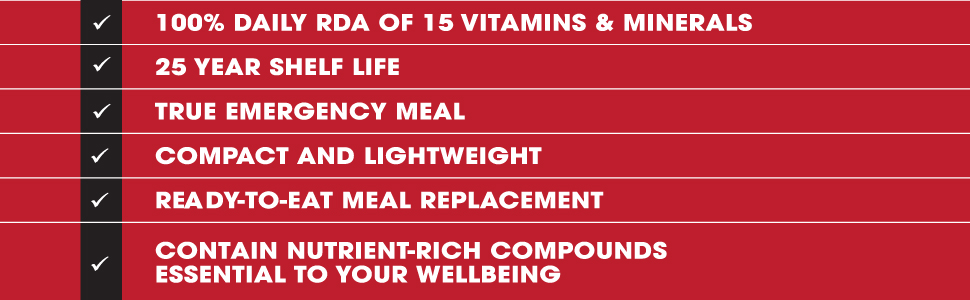
| 720 Tabs Emergency Food Survival Gluten Free and Non-GMO 25 Years Shelf Life | Food Supply 96 Tabs Emergency Food Replacement Disaster Preparedness | Ultimate Preparedness Emergency Food Supply 25 year shelf life | Emergency Food Ration Survival MREs Food Replacement | Emergency Food Survival Food Meal Replacement MREs Gluten Free and Non-GMO | |
| Day Serving | 60 days | 8 days | 120 days | 15 days | 2 days |
| Shelf-Life | 25 years | 25 years | 25 years | 25 years | 25 years |
| Non-GMO | ✓ | ✓ | ✓ | ✓ | ✓ |
| Gluten Free | ✓ | ✓ | ✓ | ✓ | ✓ |
| Tabs Amount | 720 | 96 | 1440 | 180 | 24 |