How Businesses Prepare for a Global Reset
Strategies for Businesses to Prepare for a Global Reset
Businesses must adopt comprehensive strategies to ensure continuity and resilience during a global reset. Here are some key approaches:
1. Business Continuity Planning (BCP)
- Risk Assessment: Conduct thorough risk assessments to identify vulnerabilities in operations, supply chains, and IT infrastructure[4].
- Disaster Recovery Plans: Develop and regularly update disaster recovery plans to address potential disruptions, including cyber attacks and internet outages[4].
- Diversify Supply Chains: Spread risk by sourcing materials and products from multiple suppliers across different regions.
- Flexible Operations: Implement flexible work arrangements, such as remote work capabilities, to maintain operations during crises[5].
- Cybersecurity Measures: Strengthen cybersecurity protocols to protect against cyber threats and ensure data integrity[4].
- Offline Productivity Tools: Equip employees with offline tools to continue work during internet outages[5].
- Crisis Communication Plans: Establish clear communication channels to keep employees, stakeholders, and customers informed during a crisis[4].
- Employee Training: Conduct regular training and drills to prepare staff for emergency situations and ensure they understand their roles[4].
Protecting Personal Finances During a Black Swan Event
Individuals can take proactive steps to safeguard their finances against Black Swan events, which are unpredictable and have severe consequences:
1. Diversify Investments
- Spread investments across various asset classes, such as stocks, bonds, and real estate, to minimize risk and enhance stability[2].
2. Use Insurance
- Ensure adequate insurance coverage, including life and property insurance, to mitigate financial losses during unexpected events[2].
3. Maintain an Emergency Fund
- Keep a cash reserve to cover essential expenses during financial disruptions, providing a safety net in times of crisis[2].

Role of the Emergency Alert System (EAS) in Times of Crisis
The Emergency Alert System (EAS) is a critical tool for disseminating important information during emergencies. It plays several key roles:
1. Rapid Information Dissemination
- The EAS delivers timely alerts to the public, providing essential information about threats, safety measures, and evacuation orders.
2. Coordination of Response Efforts
- The system helps coordinate response efforts among government agencies, emergency services, and the public, ensuring a unified approach to crisis management.
3. Public Reassurance
- By keeping the public informed, the EAS helps reduce panic and uncertainty, promoting a sense of security during emergencies.

Maintaining Business Operations During a Global Blackout
A global blackout presents significant challenges for businesses, but with the right strategies, operations can continue:
1. Alternative Power Sources
- Invest in generators or solar panels to maintain power during outages, ensuring critical systems remain operational[5].
2. Backup Communication Channels
- Establish alternative communication methods, such as satellite phones or radio systems, to stay connected with employees and stakeholders[5].
3. Offline Workflows
- Develop offline workflows and equip employees with tools to perform essential tasks without internet access[5].
Psychological Impacts of a Global Reset on Consumers
A global reset can have profound psychological effects on consumers, influencing behavior and mental health:
1. Increased Anxiety and Stress
- Uncertainty and disruption can lead to heightened anxiety and stress levels, impacting decision-making and daily functioning[1].
2. Changes in Consumer Behavior
- Economic instability may lead consumers to alter spending habits, prioritize essential goods, and reduce discretionary spending[3].
3. Vulnerability to Mental Health Issues
- Economic hardship and financial strain can exacerbate mental health issues, leading to increased prevalence of disorders such as depression and anxiety[1].
4. Long-term Psychological Effects
- Prolonged crises can have lasting psychological impacts, affecting individuals' outlook on life and future planning[1].

Preparing for a global reset requires a multifaceted approach, encompassing business continuity planning, financial preparedness, and psychological resilience. By adopting proactive strategies and leveraging tools like the Emergency Alert System, businesses and individuals can navigate the challenges of a global reset with confidence. Understanding the potential impacts and taking steps to mitigate them will ensure stability and resilience in an unpredictable world. Engaging with the community through trending hashtags such as #GlobalReset, #BusinessContinuity, and #EmergencyPreparedness can also help spread awareness and foster a sense of solidarity in times of crisis.
***Statements regarding dietary supplements have not been evaluated by the FDA and are not intended to diagnose, treat, cure, or prevent any disease or health condition.***
 |
 |
 |
 |
 |
|
|---|---|---|---|---|---|
| 720 Tabs Emergency Food Survival Gluten Free and Non-GMO 25 Years Shelf Life | Food Supply 96 Tabs Emergency Food Replacement Disaster Preparedness | Ultimate Preparedness Emergency Food Supply 25 year shelf life | Emergency Food Ration Survival MREs Food Replacement | Emergency Food Survival Food Meal Replacement MREs Gluten Free and Non-GMO | |
| Day Serving | 60 days | 8 days | 120 days | 15 days | 2 days |
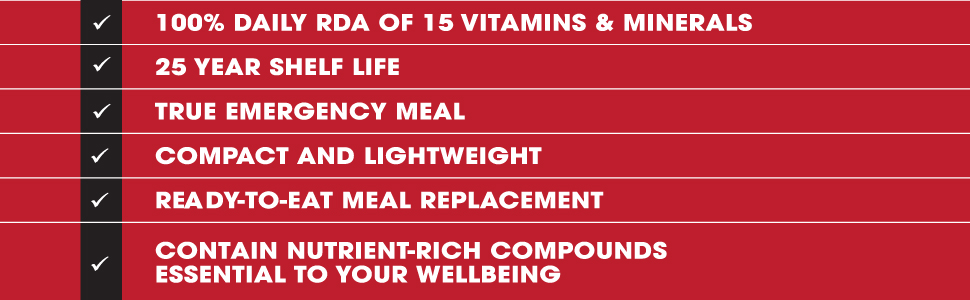
| Shelf-Life | 25 years | 25 years | 25 years | 25 years | 25 years |
| Non-GMO | ✓ | ✓ | ✓ | ✓ | ✓ |
| Gluten Free | ✓ | ✓ | ✓ | ✓ | ✓ |
| Tabs Amount | 720 | 96 | 1440 | 180 | 24 |