

Household Public Health Emergency Guide
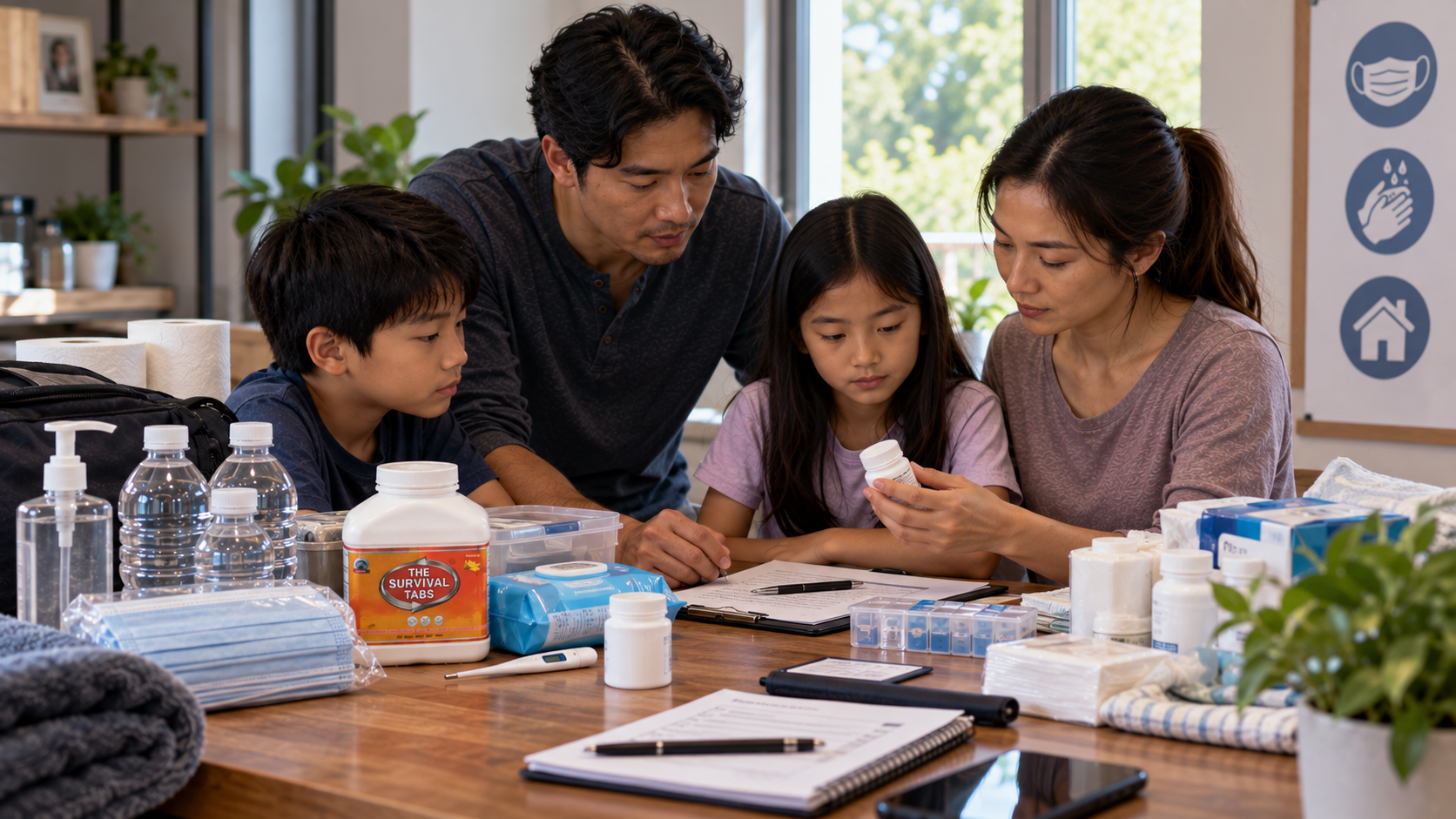
Household Public Health Emergency Guide
Public health emergencies can disrupt healthcare, school, work, transportation and access to everyday supplies. A useful household plan follows current health-department guidance and avoids rumor, stigma and unverified treatments.
Use trusted information
Identify local public health, emergency management and healthcare sources before an event. Enable official alerts and verify changing instructions about testing, vaccination, isolation, masks, water, food or community services.
Protect medication continuity
Maintain an updated medication list, pharmacy and clinician contacts, allergies and key health records. Ask qualified professionals in advance about lawful refill options, temperature-sensitive medicine and powered medical equipment. Do not change prescriptions because of online claims.
Build practical supplies
Keep safe water, familiar shelf-stable food, hygiene materials, cleaning products used according to their labels, thermometers where appropriate, chargers and household-specific medical supplies. Never mix cleaning chemicals.
Plan for separation and care
Decide how the household will communicate, obtain groceries and medication, care for children or pets and support anyone who lives alone. Keep plans accessible for people with disabilities or limited English.
Reduce misinformation and stigma
Share verified instructions, protect personal medical information and avoid blaming groups or individuals. Public health recommendations can change as evidence and local conditions change.
Know when to seek help
Follow emergency warning signs and care instructions issued by qualified authorities. A preparedness article cannot diagnose illness or replace emergency services, clinicians or poison control.
Food and nutrition
Maintain a varied reserve that fits allergies and medical diets. Survival Tabs may serve as compact backup nutrition for suitable users, but they are not a treatment, immune product or substitute for adequate calories, water or medical care.