Here are some key ways to prepare for a potential nuclear attack
 Building a Family Emergency Kit
An emergency kit for a nuclear scenario should include:
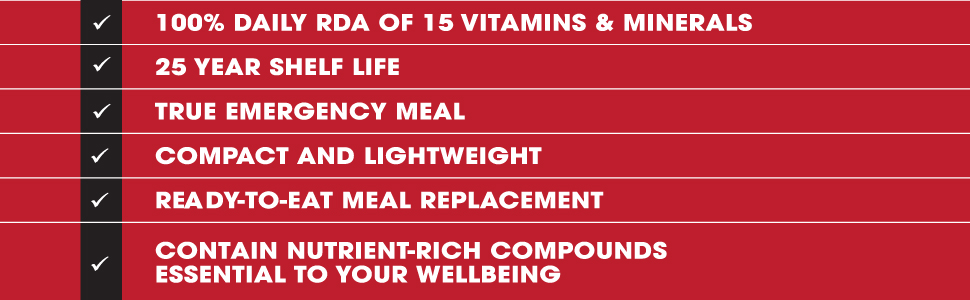
- At least a 2-week supply of non-perishable food and water (1 gallon per person per day)
- Battery-powered or hand-crank radio
- Flashlights and extra batteries
- First aid kit and medications
- Dust masks, plastic sheeting and duct tape for sealing windows/doors
- Moist towelettes, garbage bags and plastic ties for sanitation
- Wrench or pliers to turn off utilities
- Manual can opener
- Cell phone with chargers and backup battery
- Important family documents in a waterproof container[1][2]
Identifying Potential Shelters
Look for:
- Basements or underground areas
- Center areas of multi-story buildings, away from windows
- Subway stations or other underground structures
- Concrete or brick buildings with thick walls[3][4]
Make a list of potential shelters near your home, workplace, and children's schools. Avoid mobile homes or other lightweight structures.

Emergency Shelter Supplies
In addition to your main emergency kit, stock your shelter area with:
- Bottled water and non-perishable food
- Battery-powered radio and extra batteries
- Flashlights
- First aid supplies
- Warm blankets or sleeping bags
- Change of clothes
- Personal hygiene items
- Important documents in a waterproof container[5][6]
Protecting Your Home
- Seal windows, doors and air vents with plastic sheeting and duct tape
- Turn off ventilation systems that bring in outside air
- Move to an interior room or basement
- Listen to emergency broadcasts for instructions[7]
Signs of a Nuclear Explosion
Watch for:
- Intense flash of light
- Blast wave that can break windows miles away
- Mushroom cloud
- Fallout (radioactive particles falling from the sky like sand or ash)
- Fires and destruction[8][9]
Citations:
[4] https://www.reddit.com/r/preppers/comments/xzh109/nuclear_fallout_in_house_sheltering_protection/
[5] https://ready.alaska.gov/Documents/Fact%20Sheet%20-%20Preparing%20for%20A%20Nuclear%20Attack.pdf
[7] https://www.ready.gov/sites/default/files/2024-03/ready.gov_nuclear-explosion-hazard-info-sheet.pdf
***Statements regarding dietary supplements have not been evaluated by the FDA and are not intended to diagnose, treat, cure, or prevent any disease or health condition.***
 |
 |
 |
 |
 |
|
|---|---|---|---|---|---|
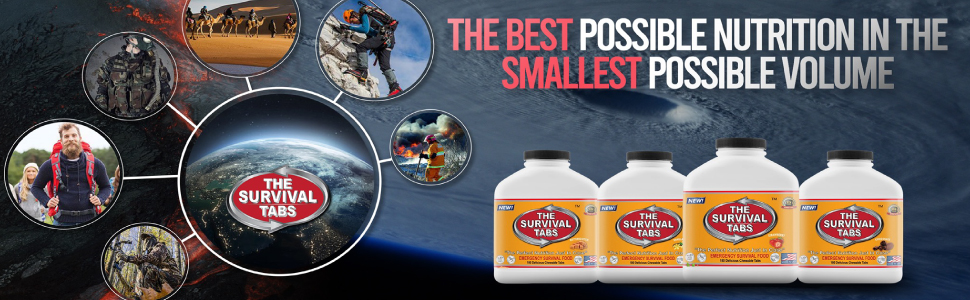
| 720 Tabs Emergency Food Survival Gluten Free and Non-GMO 25 Years Shelf Life | Food Supply 96 Tabs Emergency Food Replacement Disaster Preparedness | Ultimate Preparedness Emergency Food Supply 25 year shelf life | Emergency Food Ration Survival MREs Food Replacement | Emergency Food Survival Food Meal Replacement MREs Gluten Free and Non-GMO | |
| Day Serving | 60 days | 8 days | 120 days | 15 days | 2 days |
| Shelf-Life | 25 years | 25 years | 25 years | 25 years | 25 years |
| Non-GMO | ✓ | ✓ | ✓ | ✓ | ✓ |
| Gluten Free | ✓ | ✓ | ✓ | ✓ | ✓ |
| Tabs Amount | 720 | 96 | 1440 | 180 | 24 |