Handling Hazardous Materials During Hurricane Cleanup
Handling hazardous materials, identifying structural damage, and ensuring safety during hurricane cleanup are crucial aspects of the recovery process. Here's a comprehensive guide to help you navigate these challenges safely and effectively:
When dealing with hazardous materials after a hurricane:
- Wear appropriate personal protective equipment (PPE), including gloves, goggles, and respirators
- Identify and segregate different types of hazardous waste to prevent chemical reactions
- Store hazardous materials in secure, sealed containers in a reinforced area
- Follow local guidelines for proper disposal of hazardous waste
- Consider hiring professional hazardous waste removal experts for safe handling
Identifying Structural Damage Post-Hurricane
To assess structural damage in your home:
- Check the roof ridge and eaves to ensure they're straight
- Examine walls for verticality and straightness
- Look for signs that the building has shifted on its foundation
- Inspect frame members, trusses, and rafters for crushed, split, or broken wood
- Check doors and windows to see if they open properly
- Document all damage with photos for insurance purposes
Safety Protocols for Power Tool Use in Debris Removal
When using power tools for cleanup:
- Inspect all tools for damage before use
- Wear appropriate PPE, including eye and ear protection
- Maintain a safe distance from others while operating tools
- Follow manufacturer's instructions for each tool
- Keep work areas well-lit and clear of obstacles
- Never use electrical tools in wet conditions
Safe Techniques for Lifting and Moving Heavy Debris
To avoid injury when handling heavy debris:
- Use proper lifting techniques: bend your knees, keep your back straight
- Work with a partner when moving large or heavy items
- Use mechanical aids like dollies or wheelbarrows when possible
- Take frequent breaks to avoid fatigue
- Don't overexert yourself – know your limits
Key Items for a Hurricane Cleanup Safety Checklist
Essential items to include:
- Personal Protective Equipment (PPE): gloves, goggles, respirators, sturdy boots
- First aid kit and emergency supplies
- Proper tools for debris removal and cleanup
- Communication devices and emergency contact information
- Hazardous material handling and disposal guidelines
- Safety protocols for power tool use
- Structural damage assessment guidelines
- Emergency response plan and evacuation routes
Remember, safety should always be your top priority during hurricane cleanup. If you're unsure about handling any aspect of the cleanup process, don't hesitate to seek professional help.
#HurricaneRecovery #SafetyFirst #DisasterCleanup #HazardousMaterials #StructuralDamage #PowerToolSafety #DebrisRemoval #EmergencyPreparedness #StormRecovery #CommunityResilience
 |
 |
 |
 |
 |
|
|---|---|---|---|---|---|
| 720 Tabs Emergency Food Survival Gluten Free and Non-GMO 25 Years Shelf Life | Food Supply 96 Tabs Emergency Food Replacement Disaster Preparedness | Ultimate Preparedness Emergency Food Supply 25 year shelf life | Emergency Food Ration Survival MREs Food Replacement | Emergency Food Survival Food Meal Replacement MREs Gluten Free and Non-GMO | |
| Day Serving | 60 days | 8 days | 120 days | 15 days | 2 days |
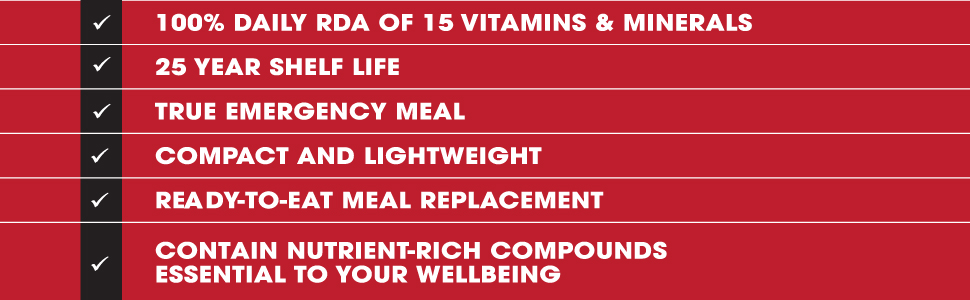
| Shelf-Life | 25 years | 25 years | 25 years | 25 years | 25 years |
| Non-GMO | ✓ | ✓ | ✓ | ✓ | ✓ |
| Gluten Free | ✓ | ✓ | ✓ | ✓ | ✓ |
| Tabs Amount | 720 | 96 | 1440 | 180 | 24 |