Foraging for Wild Plants: Essential Tips for Safe and Successful Harvesting
Foraging for wild plants can be an exciting and rewarding experience, but it's crucial to approach this activity with knowledge and caution. Here's a guide to help you avoid common mistakes, ensure safety, and make the most of your foraging adventures.

Common Mistakes to Avoid When Foraging
1. Misidentification: This is perhaps the most dangerous mistake. Never consume a plant unless you're 100% certain of its identity[1].
2. Overharvesting: Take only what you need and leave plenty for wildlife and plant regeneration.
3. Ignoring local regulations: Be aware of laws regarding foraging in your area. Some places prohibit or restrict wild harvesting.
4. Foraging in contaminated areas: Avoid collecting plants near roadsides, industrial sites, or areas that may have been sprayed with pesticides[4].
5. Neglecting to wash harvested plants: Always clean your foraged items thoroughly before consumption[4].

Ensuring Your Foraged Plants Are Free from Contaminants
1. Choose your foraging locations wisely: Opt for areas away from roads, industrial sites, and conventional agricultural fields[4].
2. Consider barriers: Natural barriers like hedges or walls can reduce contamination levels[4].
3. Wash thoroughly: Rinse all foraged plants in cold water before use. This can significantly reduce potential contaminants[4].
4. Peel root vegetables: If foraging root vegetables, peeling them can help remove surface contaminants.
5. Avoid water plants in polluted areas: Aquatic plants like cattails can absorb pollutants, so only harvest these from clean water sources[4].

Wild Plants to Avoid Due to Lookalikes
1. Poison Hemlock: Often mistaken for Queen Anne's Lace or wild carrot[5].
2. Giant Hogweed: Can be confused with cow parsnip or angelica[5].
3. Deadly Nightshade: May be mistaken for edible berries[5].
4. Pokeweed: Young shoots resemble asparagus, but pokeweed is toxic[5].
5. False Morels: These toxic mushrooms can look similar to edible morels.

Essential Tools for Safe and Efficient Foraging
1. Field guides: Carry reliable plant identification books specific to your region.
2. Smartphone apps: Use plant identification apps as a supplementary tool.
3. Gloves: Protect your hands from thorns, irritants, and potential toxins.
4. Pruning shears: For clean cuts that don't damage the plant.
5. Collection bags: Use breathable bags to keep your harvest fresh.
6. GPS or compass: To help you navigate and remember productive foraging spots.

Storing and Preserving Wild Plants
1. Drying: Many herbs and leaves can be dried for long-term storage.
2. Freezing: Berries and some greens freeze well for future use.
3. Canning: Preserve fruits and some vegetables through proper canning techniques.
4. Fermenting: Some wild plants can be preserved through fermentation.
5. Infusing: Create herb-infused oils or vinegars for extended shelf life.
Remember, foraging is not just about harvesting; it's about connecting with nature and understanding our environment. Always forage responsibly and ethically.
#WildForaging #ForagingSafety #EdibleWildPlants #SustainableHarvesting #UrbanForaging #WildFoodPreservation #ForagingTips #WildernessSkills #EthicalForaging #PlantIdentification
[3] https://happyholistichomestead.com/2019/07/04/chemical-free-pest-control-in-the-vegetable-garden/
[13] https://www.reddit.com/r/Survival/comments/mv62lw/how_can_i_store_edible_plants_in_the_wilderness/
 |
 |
 |
 |
 |
|
|---|---|---|---|---|---|
| 720 Tabs Emergency Food Survival Gluten Free and Non-GMO 25 Years Shelf Life | Food Supply 96 Tabs Emergency Food Replacement Disaster Preparedness | Ultimate Preparedness Emergency Food Supply 25 year shelf life | Emergency Food Ration Survival MREs Food Replacement | Emergency Food Survival Food Meal Replacement MREs Gluten Free and Non-GMO | |
| Day Serving | 60 days | 8 days | 120 days | 15 days | 2 days |
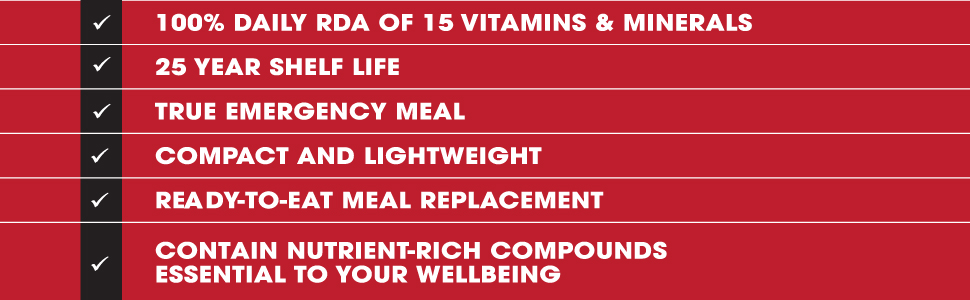
| Shelf-Life | 25 years | 25 years | 25 years | 25 years | 25 years |
| Non-GMO | ✓ | ✓ | ✓ | ✓ | ✓ |
| Gluten Free | ✓ | ✓ | ✓ | ✓ | ✓ |
| Tabs Amount | 720 | 96 | 1440 | 180 | 24 |