Foraging for Wild Edibles: A Beginner's Guide
Discovering edible plants in the wild can be an exciting and rewarding experience. Not only does it connect us with nature, but it also provides a sustainable food source. Let's explore some common wild plants you can safely eat, how to identify them, and important tips for foraging.

Common Edible Wild Plants
Dandelion
This ubiquitous "weed" is entirely edible, from root to flower. The leaves make a nutritious addition to salads, while the flowers can be used for tea or wine[1].
Wild Garlic
Also known as ramsons, wild garlic is easily identifiable by its pungent aroma. The leaves, flowers, and bulbs are all edible and add a delicious garlicky flavor to dishes[1].
Blackberries
These familiar berries grow on thorny bushes in hedgerows and woodland edges. Rich in antioxidants, they're perfect for eating fresh or using in desserts[1].
Chickweed
Found in temperate zones, chickweed has small white flowers and edible leaves that can be eaten raw or boiled. It's high in vitamins and minerals[1].
Identifying Edible Wild Plants
1. Learn key identifying features: Look for specific leaf shapes, flower structures, and growth patterns[1].
2. Use multiple senses: Observe the plant's appearance, smell it, and feel its texture[3].
3. Cross-reference with reliable guides: Use field guides or reputable apps for confirmation[4].
4. Start with easily identifiable plants: Begin with distinctive plants like dandelions or blackberries[1].
Foraging Safety Tips
1. Be 100% certain of identification before consuming any plant.
2. Avoid foraging in polluted areas or near roadsides.
3. Harvest sustainably, taking only what you need.
4. Respect local regulations and private property.
5. Learn from experienced foragers or take guided tours.
Plants to Avoid
While many wild plants are edible, some can be dangerous. Always err on the side of caution and avoid:
1. Plants with milky sap
2. Plants with umbrella-shaped flower clusters
3. Plants with bean-like pods
4. White or yellow berries
Preparing Wild Plants for Eating
1. Clean thoroughly: Wash all foraged plants to remove dirt and potential contaminants.
2. Cook when necessary: Some plants, like nettles, should be cooked to neutralize irritants.
3. Start with small amounts: Introduce new wild foods gradually to check for any adverse reactions.
4. Experiment with recipes: Try incorporating wild plants into soups, salads, or teas.
Remember, foraging is a skill that takes time to develop. Always prioritize safety and environmental stewardship in your wild food adventures.
#WildEdibles #Foraging #EatLocal #WildFood #SustainableLiving #NaturesBounty #WildGarlic #Dandelions #Blackberries #Chickweed #OrganicFood #NaturePhotography #Herbalism #GrowYourOwn #Outdoors #Hiking #Wilderness #Rewilding #PlantBased
 |
 |
 |
 |
 |
|
|---|---|---|---|---|---|
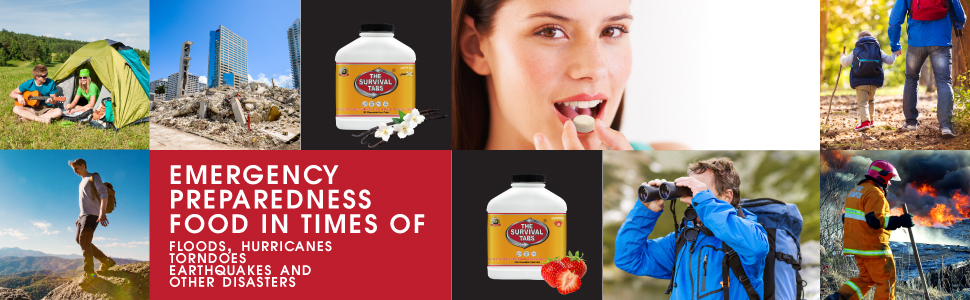
| 720 Tabs Emergency Food Survival Gluten Free and Non-GMO 25 Years Shelf Life | Food Supply 96 Tabs Emergency Food Replacement Disaster Preparedness | Ultimate Preparedness Emergency Food Supply 25 year shelf life | Emergency Food Ration Survival MREs Food Replacement | Emergency Food Survival Food Meal Replacement MREs Gluten Free and Non-GMO | |
| Day Serving | 60 days | 8 days | 120 days | 15 days | 2 days |
| Shelf-Life | 25 years | 25 years | 25 years | 25 years | 25 years |
| Non-GMO | ✓ | ✓ | ✓ | ✓ | ✓ |
| Gluten Free | ✓ | ✓ | ✓ | ✓ | ✓ |
| Tabs Amount | 720 | 96 | 1440 | 180 | 24 |