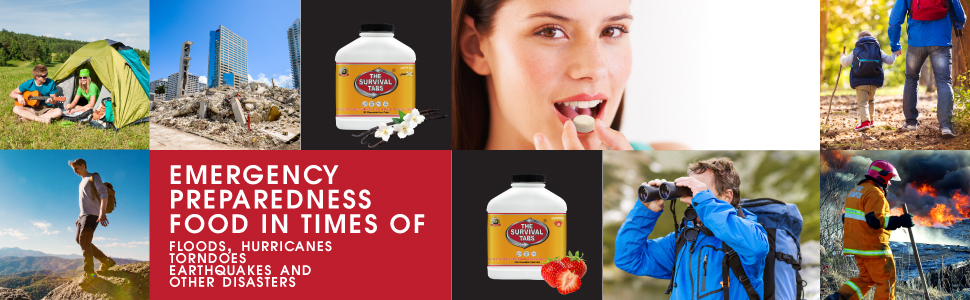
Essential Items for Your Emergency Stockpile: Preparing for the Unexpected
In today's uncertain world, being prepared for emergencies is crucial. Whether it's a natural disaster or an unforeseen crisis, having a well-stocked emergency kit can make all the difference. Let's explore how to create a comprehensive stockpile, maintain a sustainable food supply, and stay hydrated during emergencies.
1. Essential Items for Your Emergency Stockpile
A well-prepared emergency stockpile should include:
- Water: One gallon per person per day for at least 3-7 days[5].
- Non-perishable Food: Stock up on canned goods, dried foods, and items with long shelf lives[1].
- First Aid Kit: Include bandages, disinfectants, and essential medications[5].
- Tools: Multi-purpose tools, manual can opener, and flashlights with extra batteries[5].
- Communication Devices: Battery-powered or hand-crank radio for emergency updates[5].
- Personal Documents: Copies of important papers in waterproof containers[5].
#EmergencyPrep #SurvivalKit
2. Creating a Sustainable Food Supply
To ensure a lasting food supply:
- Diversify Your Stock: Include a mix of canned meats, fruits, vegetables, and high-energy foods like peanut butter and granola bars[1].
- Consider Special Needs: Account for dietary restrictions and nutritional requirements of all family members[1].
- Long-term Options: Stock up on grains, dried beans, and other foods with extended shelf lives[2].
#SustainablePrepping #EmergencyFood
3. Best Practices for Storing Non-Perishable Food
Proper storage is key to maintaining your food supply:
- Cool, Dry Location: Store food in a temperature-controlled environment away from direct sunlight[2].
- Airtight Containers: Use sealed plastic or metal containers to protect boxed foods[2].
- Label and Date: Mark all items with purchase and expiration dates for easy rotation[2].
- Regular Inspections: Check your stockpile periodically for any signs of spoilage or damage[2].
#FoodStorage #PrepperTips
4. Building a Comprehensive Emergency Preparedness Kit
Beyond food and water, include:
- Hygiene Supplies: Soap, hand sanitizer, toilet paper, and personal hygiene items[4].
- Lighting: Flashlights, lanterns, and extra batteries or solar-powered options[5].
- Warmth: Blankets, sleeping bags, and warm clothing[5].
- Communication: Cell phone with chargers and backup battery[5].
- Cash and Important Documents: Keep some cash and copies of crucial papers in waterproof containers[5].
#EmergencyKit #DisasterPreparedness
5. Effective Ways to Stay Hydrated During a Disaster
Hydration is critical in emergencies:
- Water Storage: Aim for at least one gallon per person per day for several days[5].
- Purification Methods: Include water purification tablets or filters in your kit.
- Alternative Sources: Know how to safely collect and treat water from natural sources.
- Hydrating Foods: Stock up on foods with high water content like canned fruits and vegetables[1].
#StayHydrated #EmergencyWater
By following these guidelines, you can create a comprehensive and sustainable emergency stockpile that will help you weather various crises. Remember to tailor your supplies to your specific needs and regularly review and update your emergency kit. Stay prepared, stay safe!
 |
 |
 |
 |
 |
|
|---|---|---|---|---|---|
| 720 Tabs Emergency Food Survival Gluten Free and Non-GMO 25 Years Shelf Life | Food Supply 96 Tabs Emergency Food Replacement Disaster Preparedness | Ultimate Preparedness Emergency Food Supply 25 year shelf life | Emergency Food Ration Survival MREs Food Replacement | Emergency Food Survival Food Meal Replacement MREs Gluten Free and Non-GMO | |
| Day Serving | 60 days | 8 days | 120 days | 15 days | 2 days |
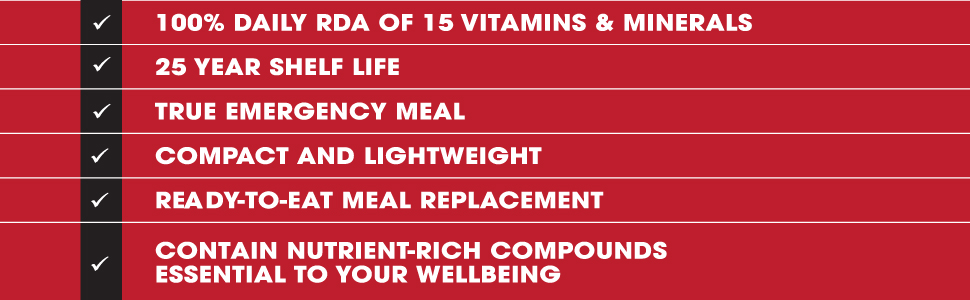
| Shelf-Life | 25 years | 25 years | 25 years | 25 years | 25 years |
| Non-GMO | ✓ | ✓ | ✓ | ✓ | ✓ |
| Gluten Free | ✓ | ✓ | ✓ | ✓ | ✓ |
| Tabs Amount | 720 | 96 | 1440 | 180 | 24 |