Essential Items for Your Emergency Preparedness Kit

When building an emergency preparedness kit, focus on items that will help you survive for at least 72 hours without power or access to regular services. Here's what you should include:
1. Water: One gallon per person per day for at least 3 days[1]
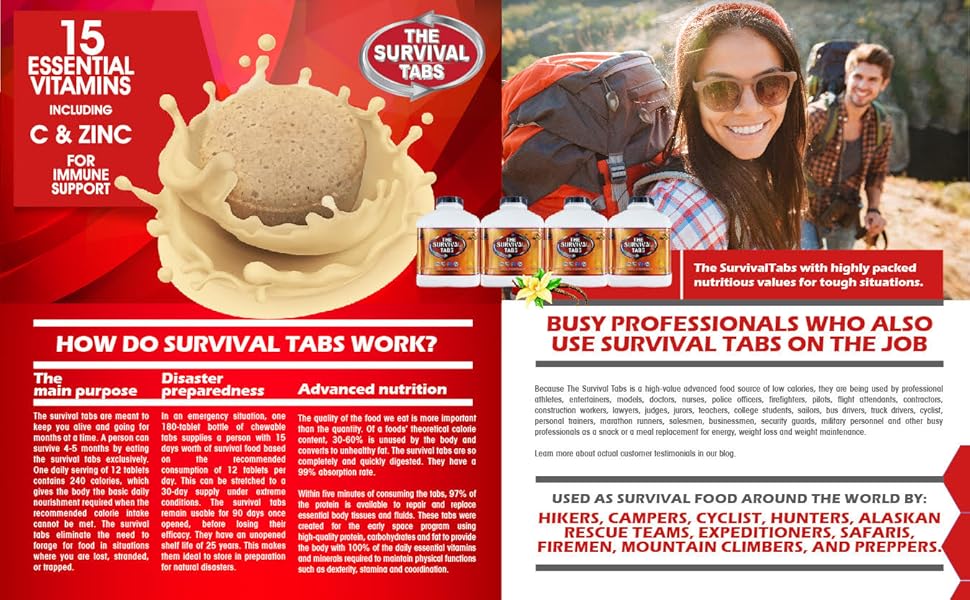
2. Non-perishable food: 3-day supply of easy-to-prepare items[1]
3. Flashlight and extra batteries[1]
4. Battery-powered or hand-crank radio[1]
5. First aid kit and medications[1]
6. Multi-purpose tool and manual can opener[1]
7. Sanitation and hygiene items[1]
8. Copies of important documents[1]
9. Cell phone with chargers[1]
10. Emergency blanket and warm clothing[1]
11. Cash and change[1]
12. Whistle to signal for help[4]
13. Dust masks and plastic sheeting for shelter[4]
Remember to customize your kit based on your family's specific needs, including items for pets, children, or those with medical conditions[1].
Keeping Food Safe During a Blackout
To maintain food safety during a prolonged power outage:
1. Keep refrigerator and freezer doors closed as much as possible[8]
2. Use a thermometer to check temperatures; discard perishables if above 40°F (4°C)[8]
3. Use coolers with ice for frequently accessed items[8]
4. Freeze water in containers beforehand to use as ice packs[8]
5. Group foods together in the freezer to help them stay cold longer[8]
Creative Ways to Stay Comfortable Without Power
To stay cool:
- Use battery-powered fans
- Close blinds and curtains during the day
- Stay hydrated and use damp cloths to cool off
To stay warm:
- Layer clothing and use blankets
- Close off unused rooms to conserve heat
- Use safe, alternative heating methods like propane heaters (with proper ventilation)
Safe Generator Use During a Blackout
1. Never use a generator indoors or in partially enclosed spaces[8]
2. Keep generators at least 20 feet away from doors, windows, and vents[8]
3. Use heavy-duty extension cords rated for outdoor use[8]
4. Never plug a generator into a wall outlet (backfeeding)[8]
5. Install carbon monoxide detectors in your home[8]
Preventing Power Surges and Electrical Fires
1. Install surge protectors for sensitive electronics[4]
2. Unplug appliances and electronics during the outage[8]
3. Use battery-powered lights instead of candles to reduce fire risk[8]
4. Have a licensed electrician inspect your wiring regularly
5. Keep flammable items away from electrical outlets and appliances
By following these guidelines, you'll be better prepared to handle power outages safely and comfortably.

#EmergencyPreparedness #BlackoutSafety #PowerOutageTips #SurvivalKit #GeneratorSafety #FoodSafety #DisasterReadiness #StormPrep #ElectricalSafety #OffTheGrid
 |
 |
 |
 |
 |
|
|---|---|---|---|---|---|
| 720 Tabs Emergency Food Survival Gluten Free and Non-GMO 25 Years Shelf Life | Food Supply 96 Tabs Emergency Food Replacement Disaster Preparedness | Ultimate Preparedness Emergency Food Supply 25 year shelf life | Emergency Food Ration Survival MREs Food Replacement | Emergency Food Survival Food Meal Replacement MREs Gluten Free and Non-GMO | |
| Day Serving | 60 days | 8 days | 120 days | 15 days | 2 days |
| Shelf-Life | 25 years | 25 years | 25 years | 25 years | 25 years |
| Non-GMO | ✓ | ✓ | ✓ | ✓ | ✓ |
| Gluten Free | ✓ | ✓ | ✓ | ✓ | ✓ |
| Tabs Amount | 720 | 96 | 1440 | 180 | 24 |