Essential Items for an Emergency Kit
Essential Items for an Emergency Kit
1. Water: 1 gallon per person per day for at least 3 days
2. Non-perishable food: 3-day supply
3. Battery-powered or hand-crank radio
4. Flashlight and extra batteries
5. First aid kit and medications
6. Multi-purpose tool
7. Sanitation and hygiene items
8. Copies of important documents
9. Cell phone with chargers
10. Emergency cash and credit cards
11. Blankets or sleeping bags
12. Change of clothes and sturdy shoes

Creating an Effective Family Emergency Plan
1. Discuss potential scenarios with your family
2. Designate meeting points and out-of-area contacts
3. Practice evacuation routes
4. Know the safe spots in each room
5. Learn first aid and CPR
6. Keep a list of emergency phone numbers
7. Consider specific needs of family members (e.g., medications, disabilities)
8. Create a communication plan
9. Review and update the plan regularly

Preparing for an Earthquake
1. Secure heavy furniture and objects to walls
2. Place heavy items on lower shelves
3. Identify safe spots in each room (e.g., under sturdy tables, against inside walls)
4. Conduct practice drills
5. Learn how to shut off utilities
6. Prepare an emergency kit
7. Develop a family communication plan
Staying Informed About Natural Disasters
1. Sign up for local emergency alerts
2. Follow local weather services on social media
3. Keep a battery-powered or hand-crank radio for updates
4. Download emergency alert apps on your smartphone
5. Stay tuned to local news channels during potential disasters

Common Mistakes in Emergency Preparedness
1. Assuming staff is well-trained without regular practice
2. Poor communication during an event
3. Conducting half-hearted drills
4. Relying on outdated emergency plans
5. Only adhering to fire codes and neglecting other potential disasters
6. Assuming first responders will always arrive quickly
Citations:
 |
 |
 |
 |
 |
|
|---|---|---|---|---|---|
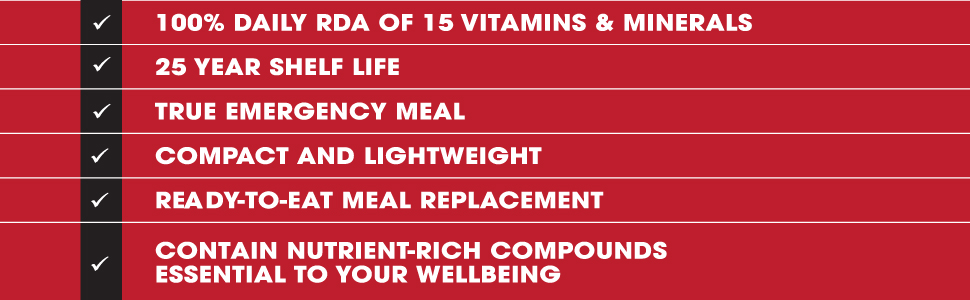
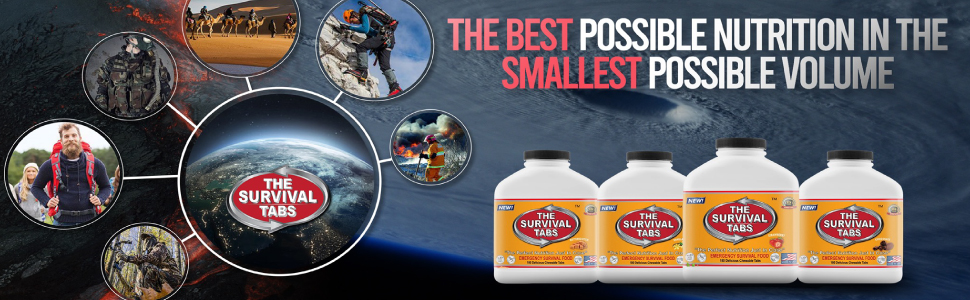
| 720 Tabs Emergency Food Survival Gluten Free and Non-GMO 25 Years Shelf Life | Food Supply 96 Tabs Emergency Food Replacement Disaster Preparedness | Ultimate Preparedness Emergency Food Supply 25 year shelf life | Emergency Food Ration Survival MREs Food Replacement | Emergency Food Survival Food Meal Replacement MREs Gluten Free and Non-GMO | |
| Day Serving | 60 days | 8 days | 120 days | 15 days | 2 days |
| Shelf-Life | 25 years | 25 years | 25 years | 25 years | 25 years |
| Non-GMO | ✓ | ✓ | ✓ | ✓ | ✓ |
| Gluten Free | ✓ | ✓ | ✓ | ✓ | ✓ |
| Tabs Amount | 720 | 96 | 1440 | 180 | 24 |