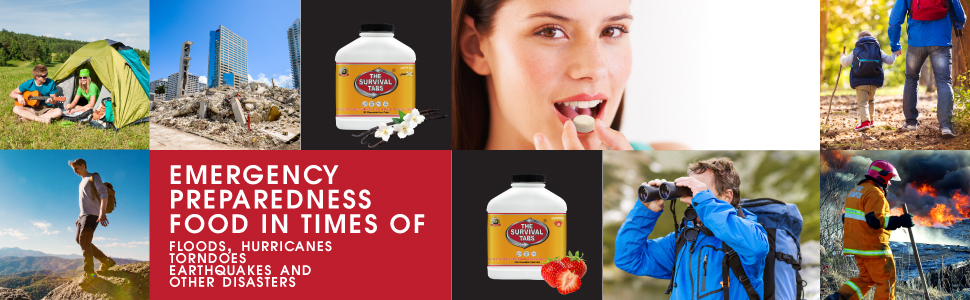
Empowering Rural Communities: Innovative Emergency Apps and NG911 Technology
In an era of increasing natural disasters and emergencies, rural communities face unique challenges in emergency preparedness and response. However, innovative technologies like emergency apps and Next Generation 911 (NG911) are helping bridge the gap. Let's explore how these tools are revolutionizing emergency planning and response in rural areas.
Essential Features of Emergency Apps for Rural Communities
Effective emergency apps for rural areas should include:
1. Offline Functionality: Access to critical information without internet connectivity.
2. Location Services: Precise tracking to help responders find users quickly, even in remote areas.
3. Multi-modal Communication: Support for text, voice, and video communication.
4. Resource Directory: Information on local emergency services, shelters, and medical facilities.
5. Customizable Alerts: Allowing users to set preferences for the types of alerts they receive.
6. User-friendly Interface: Designed with input from rural residents to ensure ease of use.
These features address the unique challenges faced by rural communities, ensuring that help can be accessed even in areas with limited connectivity.
#RuralEmergencyApps #OfflinePreparedness #EmergencyTech
NG911: Revolutionizing Rural Emergency Response
Next Generation 911 (NG911) technology is transforming emergency response in rural areas:
- Enhanced Location Accuracy: NG911 provides more precise caller location information, crucial in vast rural areas.
- Multimedia Communication: Allows for sending photos, videos, and text messages to 911 centers, providing valuable context.
- Interoperability: Enables seamless information sharing between different emergency response agencies.
- Improved Call Routing: Ensures calls are directed to the most appropriate response center, even across county lines.
These advancements significantly improve response times and effectiveness in rural emergencies.
#NG911 #RuralEmergencyResponse #EmergencyTechnology
Overcoming Obstacles in Rural App Implementation
Implementing emergency apps in rural areas comes with unique challenges:
1. Limited Connectivity: Ensuring functionality in areas with poor or no internet access.
2. Device Compatibility: Designing for a wide range of devices, including older models.
3. User Adoption: Overcoming potential resistance to new technology among rural populations.
4. Data Management: Balancing the need for comprehensive information with limited storage and bandwidth.
5. Maintenance and Updates: Ensuring apps remain current and functional in remote areas.
Addressing these challenges requires close collaboration with rural communities and innovative technical solutions.
#RuralTechChallenges #AppDevelopment #InclusiveTechnology
First Responders and Mobile Apps: A Powerful Combination
First responders are increasingly leveraging mobile apps during disasters:
- Real-time Information Sharing: Apps allow responders to share and receive up-to-date information about the emergency situation.
- Resource Management: Mobile apps help track and allocate resources efficiently during large-scale events.
- Navigation and Mapping: GPS-enabled apps guide responders to precise locations, even in unfamiliar rural areas.
- Communication Coordination: Apps facilitate seamless communication between different response teams and agencies.
These tools enhance the effectiveness and safety of first responders in challenging rural environments.
#FirstResponderTech #DisasterResponse #MobileEmergencyApps
Predictive Analytics: Enhancing Disaster Preparedness
Predictive analytics plays a crucial role in disaster preparedness:
- Risk Assessment: Identifying potential hazards and vulnerable areas based on historical data and environmental factors.
- Resource Allocation: Optimizing the distribution of limited emergency resources based on predicted needs.
- Early Warning Systems: Improving the accuracy and timeliness of disaster warnings.
- Evacuation Planning: Developing more effective evacuation strategies based on population distribution and road network analysis.
By leveraging data and advanced algorithms, predictive analytics helps rural communities better prepare for and respond to emergencies.
#PredictiveAnalytics #DisasterPreparedness #DataDrivenDecisions
In conclusion, emergency apps, NG911 technology, and predictive analytics are transforming disaster preparedness and response in rural areas. By addressing the unique challenges of rural communities and leveraging innovative solutions, we can enhance resilience and improve emergency response in even the most remote areas.
As we move forward, it's crucial to continue investing in these technologies and approaches, tailoring them to the unique needs of rural areas. With the right tools and strategies, we can ensure that rural communities are well-prepared to face any emergency, bridging the preparedness gap between urban and rural areas.
#RuralEmergencyPreparedness #InnovativeTech #CommunityResilience
 |
 |
 |
 |
 |
|
|---|---|---|---|---|---|
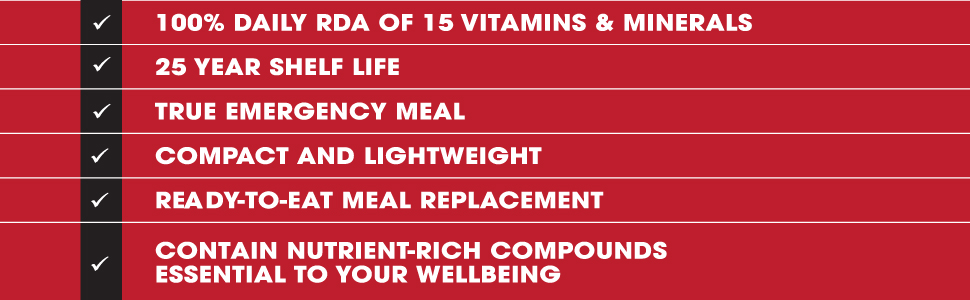
| 720 Tabs Emergency Food Survival Gluten Free and Non-GMO 25 Years Shelf Life | Food Supply 96 Tabs Emergency Food Replacement Disaster Preparedness | Ultimate Preparedness Emergency Food Supply 25 year shelf life | Emergency Food Ration Survival MREs Food Replacement | Emergency Food Survival Food Meal Replacement MREs Gluten Free and Non-GMO | |
| Day Serving | 60 days | 8 days | 120 days | 15 days | 2 days |
| Shelf-Life | 25 years | 25 years | 25 years | 25 years | 25 years |
| Non-GMO | ✓ | ✓ | ✓ | ✓ | ✓ |
| Gluten Free | ✓ | ✓ | ✓ | ✓ | ✓ |
| Tabs Amount | 720 | 96 | 1440 | 180 | 24 |