Empowering Families: Coping with Food Insecurity and Building Resilience
 In challenging times, families often face food insecurity, which can have far-reaching impacts on health, well-being, and future prospects. This blog explores effective strategies for coping with food shortages, with a focus on women, children, the elderly, and pets. We'll also examine the mental health impacts, the role of community networks, government support, and long-term effects on children's education.
#FoodSecurity #FamilyResilience
Effective Coping Strategies for Food Insecurity
1. Diversify Food Sources:
- Rely on less expensive and non-perishable foods
- Explore local food banks and community gardens
- Learn foraging skills for safe, edible wild plants
2. Optimize Nutrition:
- Focus on nutrient-dense foods to maximize health benefits
- Learn to cook with low-cost, high-nutrition ingredients
- Grow nutrient-rich vegetables in small spaces
3. Meal Planning and Budgeting:
- Plan meals to reduce waste and stretch resources
- Buy in bulk and freeze portions for later use
- Use apps to find grocery deals and coupons
4. Develop Food Preservation Skills:
- Learn canning, dehydrating, and fermenting techniques
- Extend the shelf life of fresh produce
- Create nutritious preserved foods for lean times
5. Community Resource Utilization:
- Participate in community meal programs
- Join or create food-sharing networks
- Explore school meal programs for children

Mental Health Impacts of Food Shortages
Food insecurity can significantly affect mental health and well-being:
1. Increased Stress and Anxiety:
- Constant worry about the next meal
- Stress from managing limited resources
2. Depression and Feelings of Helplessness:
- Inability to provide adequate nutrition for family
- Sense of failure or inadequacy
3. Cognitive Impacts:
- Difficulty concentrating due to hunger
- Impaired decision-making abilities
4. Social Isolation:
- Shame or embarrassment about food situation
- Reduced social interactions due to limited resources
5. Long-term Psychological Effects:
- Chronic stress leading to various health issues
- Potential for intergenerational trauma
To mitigate these impacts:
- Seek mental health support through community resources
- Practice stress-reduction techniques like meditation
- Maintain social connections for emotional support

Role of Community Networks in Mitigating Food Shortages
Community networks play a crucial role in supporting families facing food insecurity:
1. Food Banks and Pantries:
- Provide essential food supplies to families in need
- Offer nutrition education and cooking classes
2. Community Gardens:
- Provide fresh produce and gardening education
- Foster community connections and support
3. Meal-Sharing Programs:
- Organize community meals to ensure everyone eats
- Reduce social isolation and build community bonds
4. Skill-Sharing Networks:
- Teach food preservation and budget-friendly cooking
- Share resources like tools and equipment
5. Support Groups:
- Provide emotional support and shared experiences
- Offer practical advice and resource information

Government Support During Financial Crises
Governments can play a vital role in supporting households during financial crises:
1. Expand Food Assistance Programs:
- Increase funding for SNAP and WIC programs
- Simplify application processes for food assistance
2. Provide Emergency Financial Aid:
- Offer direct cash assistance to struggling families
- Implement rent and utility assistance programs
3. Support Local Food Systems:
- Invest in community gardens and farmers' markets
- Provide incentives for local food production
4. Enhance School Meal Programs:
- Extend free meal programs beyond school hours
- Implement summer food service programs
5. Offer Job Training and Employment Support:
- Provide skills training for in-demand jobs
- Offer job placement services and career counseling
Long-Term Effects of Food Insecurity on Children's Education
Food insecurity can have lasting impacts on children's educational outcomes:
1. Cognitive Development:
- Malnutrition can impair brain development
- Hunger affects concentration and learning ability
2. Academic Performance:
- Food-insecure children often have lower test scores
- Higher rates of grade repetition and dropout
3. Behavioral Issues:
- Hunger can lead to irritability and aggression
- Difficulty socializing and participating in class
4. Health-Related Absences:
- Increased illness due to poor nutrition
- More frequent doctor visits and hospitalizations
5. Long-Term Educational Attainment:
- Lower likelihood of completing high school
- Reduced chances of pursuing higher education
To mitigate these effects:
- Advocate for robust school meal programs
- Support after-school and summer feeding programs
- Provide nutrition education for families
Special Considerations for Women, Elderly, and Pets
Women:
- Prioritize nutrition during pregnancy and breastfeeding
- Seek community support for single mothers
- Address unique nutritional needs (e.g., iron, calcium)
Elderly:
- Ensure access to nutrient-dense, easy-to-prepare foods
- Address mobility issues in food acquisition
- Provide social meal programs to combat isolation
Pets:
- Research low-cost, nutritious pet food options
- Explore pet food banks and assistance programs
- Consider homemade pet food with veterinary guidance

Building Long-Term Resilience
While coping strategies are crucial for immediate needs, building long-term resilience is equally important:
1. Develop Multiple Income Streams:
- Explore part-time or freelance opportunities
- Learn marketable skills for side hustles
2. Create a Home Garden:
- Start small with container gardening
- Gradually expand to a larger vegetable garden
3. Build a Support Network:
- Join or create local support groups
- Engage in community organizations
4. Advocate for Policy Changes:
- Support initiatives for food security and nutrition
- Participate in local government and community meetings
5. Invest in Education and Skills:
- Pursue continuing education opportunities
- Learn practical skills like cooking, budgeting, and food preservation
Conclusion
Facing food insecurity is challenging, but with the right strategies and support, families can navigate these difficulties and build resilience. By focusing on effective coping strategies, leveraging community resources, and advocating for supportive policies, we can work towards a future where everyone has access to nutritious food.
Remember, you're not alone in this journey. Reach out to local resources, connect with your community, and don't hesitate to seek help when needed. Together, we can build stronger, more resilient families and communities.
By implementing these strategies and staying informed about available resources, families can better cope with food insecurity and work towards a more stable and nourishing future for all members, including women, children, the elderly, and pets.
Citations:
[7] https://www.hungersolutions.org/data-posts/new-research-coping-strategies-families-facing-hunger/
***Statements regarding dietary supplements have not been evaluated by the FDA and are not intended to diagnose, treat, cure, or prevent any disease or health condition.***
 |
 |
 |
 |
 |
|
|---|---|---|---|---|---|
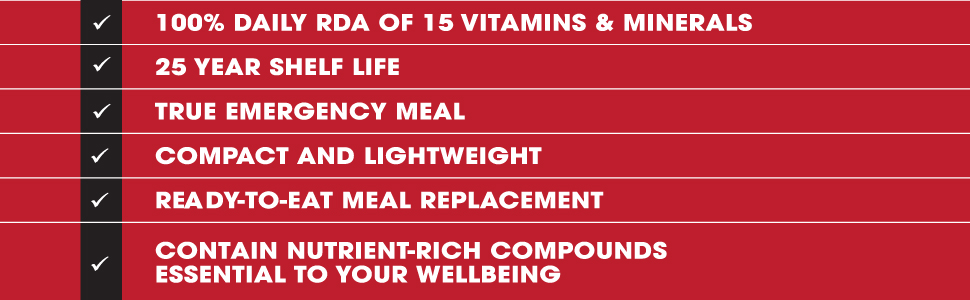
| 720 Tabs Emergency Food Survival Gluten Free and Non-GMO 25 Years Shelf Life | Food Supply 96 Tabs Emergency Food Replacement Disaster Preparedness | Ultimate Preparedness Emergency Food Supply 25 year shelf life | Emergency Food Ration Survival MREs Food Replacement | Emergency Food Survival Food Meal Replacement MREs Gluten Free and Non-GMO | |
| Day Serving | 60 days | 8 days | 120 days | 15 days | 2 days |
| Shelf-Life | 25 years | 25 years | 25 years | 25 years | 25 years |
| Non-GMO | ✓ | ✓ | ✓ | ✓ | ✓ |
| Gluten Free | ✓ | ✓ | ✓ | ✓ | ✓ |
| Tabs Amount | 720 | 96 | 1440 | 180 | 24 |