

Emergency Vegetable Gardening Guide
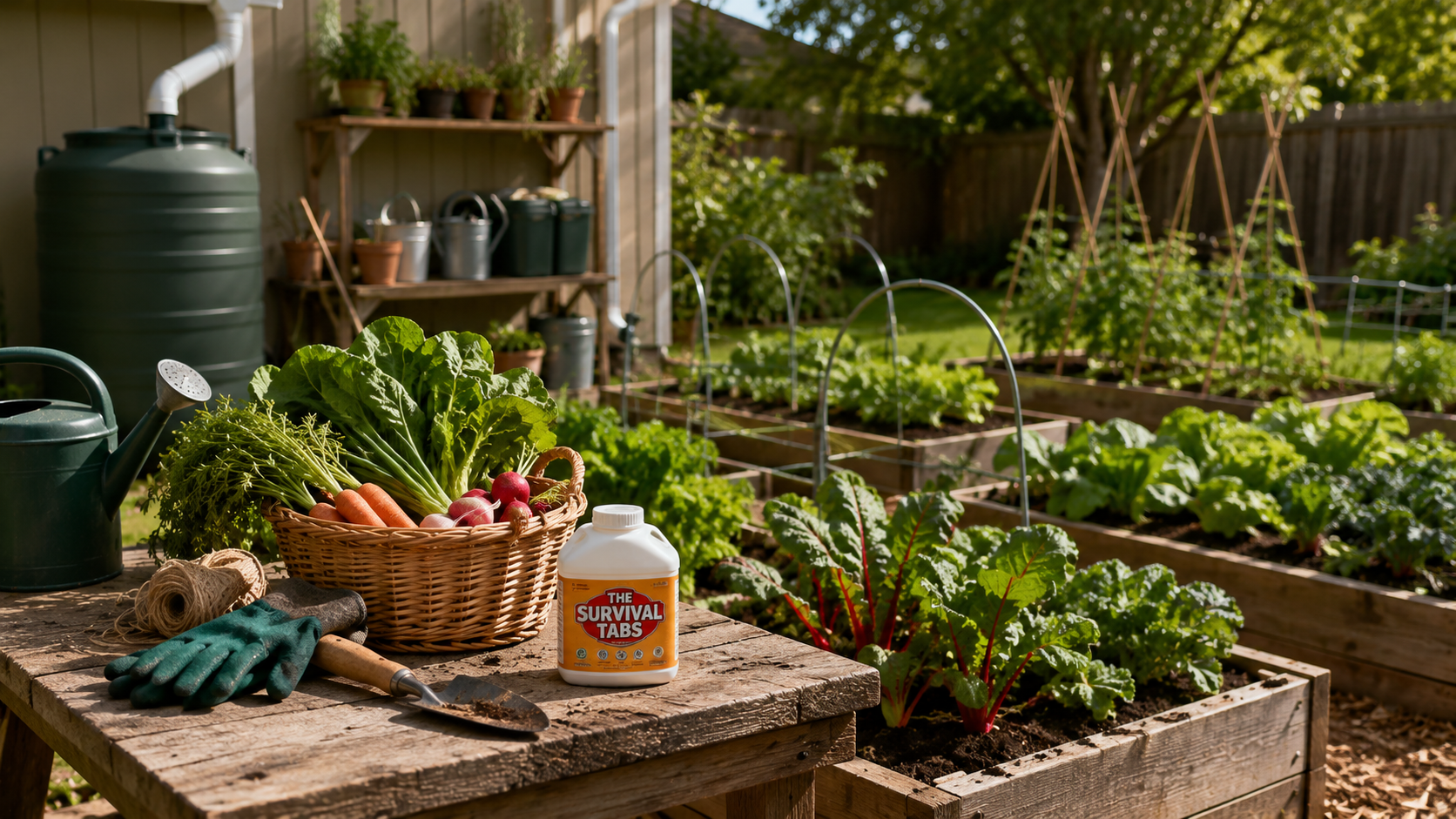
A practical, safety-first framework for building household food-growing capacity before and during disruptions
An emergency garden can strengthen household resilience, but it is not an instant substitute for stored food, safe water, cooking fuel, medical planning, or a balanced diet.
Use this guide to build a manageable vegetable garden, protect the people working in it, and connect each harvest to a realistic household food plan.
Professional review: Before publication, this guide should be reviewed by a qualified horticulture or Cooperative Extension professional, a food-safety specialist, and an accessibility or occupational-safety professional where appropriate.
1. What an Emergency Garden Can—and Cannot—Do
A garden is a production system with lead time. Soil preparation, planting, weather, pests, irrigation, labor, and crop maturity all affect results.
* Start before an emergency whenever possible.
* Treat gardening as one layer of preparedness, not the only food source.
* Keep stored food for the period before crops mature.
* Keep a separate emergency-water plan; irrigation water may not be safe to drink.
* Plan for crop failures and uneven harvests.
* Do not assume one planting will supply complete nutrition.
* Do not rely on Survival Tabs or any single food as a sole long-term diet.
* Use locally adapted guidance rather than a universal planting calendar.
A realistic objective
The first objective is dependable experience: learning the site, seasons, soil, water needs, local pests, and the crops your household will actually eat.
Expand only after a small garden can be watered, weeded, harvested, and recorded consistently.
2. Begin With Household Needs
List who the garden is meant to support and what constraints affect the plan.
* Number of household members.
* Age ranges and usual portion sizes.
* Food allergies and medically required diets.
* Foods the household already knows how to prepare.
* Mobility, strength, vision, balance, and heat-tolerance needs.
* Available gardening time during normal weeks and disruptions.
* Available storage, refrigeration, and cooking capacity.
* Pets and livestock that must be kept away from garden chemicals and tools.
Set a modest production target
* Fresh herbs and greens that improve stored meals.
* Fast crops for regular harvests.
* Reliable vegetables suited to the local season.
* Calorie-dense crops only when the site, climate, storage, and cooking plan support them.
* Surplus production only after household use and safe storage are organized.
3. Assess the Site Before Planting
Sun and microclimate
* Observe the site across the day rather than guessing from one moment.
* Record shade from buildings, trees, fences, and seasonal vegetation.
* Identify hot walls, reflected heat, frost pockets, exposed rooftops, and strong-wind corridors.
* Match crops to the light actually available.
* Use containers or movable planters when the best light shifts by season.
Drainage and flood exposure
* Do not place edible gardens where floodwater, sewage, fuel, chemicals, or contaminated runoff may enter.
* Watch the site during heavy rain before committing permanent beds.
* Keep beds away from failing septic areas and unknown drainage outlets.
* Use raised beds only with known, food-safe materials and clean growing media.
* After suspected contamination, stop harvest and seek local public-health or Extension guidance.
Previous land use
* Ask whether the area previously held painted structures, treated lumber, industrial activity, vehicle repair, waste, ash, or pesticide storage.
* Do not assume soil is safe because plants grow well.
* Use a reputable soil test and local advice when contamination is possible.
* Use containers with clean soil when the ground cannot be verified.
4. Test and Improve the Soil
Soil testing is more reliable than adding amendments by guesswork. Local Extension offices or agricultural agencies can explain sampling and interpret results.
* Collect samples using the laboratory’s instructions.
* Keep samples representative of the intended bed.
* Record the date and exact location.
* Follow crop-specific recommendations rather than applying every available fertilizer.
* Avoid excessive nutrients; more fertilizer does not guarantee more food.
* Recheck soil when production declines or conditions change.
Compost and organic matter
* Use finished compost from a known source.
* Keep raw manure away from ready-to-eat crops unless managed under qualified guidance.
* Do not add diseased plants, chemically contaminated material, pet waste, or unknown ash to food-garden compost.
* Store compost so runoff cannot contaminate wells, waterways, or harvest areas.
* Wear gloves, wash hands, and cover cuts when handling soil and compost.
5. Choose Crops for Reliability
Choose crops by climate, season, space, water, household preference, storage, and local pest pressure—not by dramatic “survival crop” lists.
Use a balanced mix
* Fast crops that provide early harvests.
* Repeated-harvest crops that produce over time.
* Reliable seasonal vegetables suited to local conditions.
* Compact crops for containers or small spaces.
* Storage crops only when curing and storage conditions can be maintained.
* Herbs that improve familiar meals without demanding large space.
Avoid common planning errors
* Planting more varieties than the household can manage.
* Choosing crops no one eats.
* Depending on a single crop or seed packet.
* Assuming heirloom automatically means tougher, more nutritious, or better suited.
* Expecting seed saving to be simple for every crop.
* Buying seeds without checking climate, days to maturity, disease resistance, and space needs.
6. Seeds, Transplants, and Seed Storage
Seeds are living material. Their usable life varies with species, starting quality, moisture, temperature, packaging, and storage conditions.
* Buy seed from reputable sources.
* Keep the original packet or label with the seed.
* Record crop, variety, lot information, purchase year, and expected planting season.
* Store seed cool, dry, dark, and protected from insects and rodents.
* Do not promise that seeds will remain “completely dry” or viable for a fixed universal period.
* Test older seed germination before depending on it.
* Rotate seed stocks as part of normal gardening.
* Keep a small reserve separate from the active planting supply.
Transplants
* Choose compact, healthy plants without obvious pests or severe root binding.
* Harden plants gradually before moving them outdoors.
* Protect new transplants from temperature extremes, wind, and intense sun.
* Do not import plants or soil in violation of local agricultural rules.
Seed-saving boundaries
Seed saving can be useful, but cross-pollination, hybrid varieties, plant disease, climate, and storage conditions affect results.
* Learn the crop’s pollination method before saving seed.
* Save only from healthy plants.
* Keep varieties separated when purity matters.
* Dry and store seed using crop-specific Extension guidance.
* Label every saved batch.
* Do not treat saved seed as guaranteed true-to-type or disease-free.
7. Build a Small, Maintainable Layout
* Keep frequently harvested crops close to the home or normal travel path.
* Provide a stable route to beds, containers, water, and tools.
* Leave enough space to work without stepping on growing soil.
* Use vertical support only when it is stable in wind and safe to reach.
* Place tall crops where they will not shade smaller crops unintentionally.
* Keep hoses and cords out of walking routes.
* Use visible labels and a simple bed map.
* Design for the person who will maintain the garden on the household’s hardest day.
Containers
* Use food-safe containers with adequate drainage.
* Confirm balconies, decks, roofs, and shelves can support wet soil and water weight.
* Do not block exits, drains, fire access, or emergency routes.
* Expect containers to dry faster than in-ground beds.
* Use a safe lifting and moving plan.
8. Water Planning
A garden may compete with household needs during drought or utility loss. Drinking, hygiene, medication, and sanitation needs take priority.
* Estimate irrigation demand before expanding the garden.
* Repair leaks and water at the root zone.
* Use mulch appropriate to the crop and local pest conditions.
* Water when conditions reduce unnecessary evaporation, subject to local disease guidance.
* Group plants with similar water needs.
* Keep rainwater systems covered or screened as required locally.
* Prevent irrigation hoses from siphoning contaminated water into household plumbing.
* Do not use floodwater, sewage-contaminated water, or unknown graywater on edible crops.
During water restrictions
* Follow local restrictions.
* Prioritize young plants and high-value crops.
* Reduce the planted area rather than spreading insufficient water across everything.
* Use stored irrigation water only if containers and collection methods are appropriate.
* Do not divert the household’s drinking-water reserve without a deliberate decision.
9. Planting and Succession
* Use a locally appropriate planting calendar.
* Check expected frost, heat, monsoon, hurricane, or dry-season conditions.
* Read packet depth and spacing instructions.
* Plant a small amount first when conditions are uncertain.
* Stagger plantings when the crop and season allow.
* Keep emergency reserve seed instead of planting every seed at once.
* Record planting date, variety, bed, and expected maturity.
* Replant failures only after identifying likely causes.
10. Integrated Pest Management
Identify the pest and the level of damage before taking action. Many insects are harmless or beneficial, and plant stress may come from water, soil, weather, or disease rather than pests.
Start with prevention
* Inspect plants regularly.
* Remove badly diseased material using local guidance.
* Control weeds before they set seed.
* Rotate crop families when space and planning allow.
* Use physical barriers that do not trap heat or block pollination when flowers need access.
* Choose locally recommended resistant varieties.
* Keep tools clean when moving between diseased and healthy plants.
Pesticide safety
* Use a pesticide only when it is labeled for the crop and target pest.
* Read and follow the entire label; the label is the law.
* Follow application rates, protective-equipment directions, reentry intervals, and preharvest intervals.
* Keep products in original labeled containers.
* Keep pesticides away from food, children, pets, wells, waterways, and emergency supplies.
* Do not mix products unless the label allows it.
* Do not substitute homemade sprays merely because ingredients seem familiar.
* Never use agricultural, veterinary, industrial, or household chemicals on edible plants unless the label specifically allows that use.
* Dispose of products and containers under local requirements.
The legacy baking-soda and homemade-spray content is not preserved as a universal recipe. Crop injury, residues, ineffective control, and illegal pesticide use are real risks.
11. Weather and Disruption Protection
* Monitor official forecasts and local alerts.
* Secure lightweight containers and structures before high winds.
* Do not work outside during lightning, extreme heat, wildfire smoke, flooding, or dangerous winds.
* Use shade, frost, or insect covers only when installed safely and monitored.
* Keep covers from contacting heaters, flames, electrical equipment, and hot surfaces.
* After a storm, check for broken supports, contaminated water, exposed wiring, unstable trees, and sharp debris before entering.
* Discard produce exposed to sewage, chemicals, fuel, or other unsafe contamination and seek local guidance when uncertain.
12. Safe Work Practices and Accessibility
* Use gloves suitable for the task.
* Wear closed shoes and eye protection when needed.
* Use sun protection and schedule work outside peak heat.
* Drink safe water and take rest breaks.
* Keep tetanus vaccination and personal medical needs current through a clinician.
* Store tools with sharp edges covered.
* Use long-handled or lightweight tools where they reduce strain.
* Provide seating or raised work surfaces when useful.
* Keep paths firm, wide, visible, and free of hoses.
* Do not let children use chemicals or sharp tools without appropriate supervision.
* Wash hands after handling soil, compost, plants, animals, or pesticides.
13. Harvest and Food Safety
* Harvest with clean hands and clean containers.
* Keep harvest containers separate from chemical and waste containers.
* Do not harvest produce during a pesticide preharvest interval.
* Discard visibly rotten, moldy, or chemically contaminated produce.
* Wash produce under safe running water before eating or preparation.
* Do not wash produce with soap, bleach, or unapproved household chemicals.
* Prevent harvested produce from contacting soil, manure, fuel, pesticides, pets, or floodwater.
* Cool or store produce according to crop-specific guidance.
* Use damaged produce promptly only when it remains safe and appropriate to eat.
Preservation handoff
Gardening and food preservation are separate safety systems. A large harvest does not make an untested canning, fermentation, drying, or storage method safe.
* Use tested preservation recipes from recognized authorities.
* Use pressure canning when a tested recipe requires it.
* Do not alter ingredient ratios or processing steps in tested canning recipes.
* Plan jars, lids, freezer space, drying equipment, fuel, and labor before peak harvest.
* Label preserved food with contents and date.
* Discard containers showing spoilage, leakage, swelling, or other warning signs.
14. Keep Records and Measure Results
* Bed or container location.
* Crop and variety.
* Seed source and lot when available.
* Planting and transplant dates.
* Weather events.
* Watering and amendments.
* Pest or disease observations.
* Any pesticide product, date, rate, target, and required waiting period.
* Harvest date and approximate quantity.
* Household use, waste, and preservation.
* Seeds saved and germination-test results.
* Changes to make next season.
Simple records reveal what is dependable at your site and prevent repeated mistakes.
15. Seven-Step Emergency Garden Build
* Define a small household goal and maintain stored food.
* Assess light, drainage, contamination risk, access, and water.
* Test soil or use verified clean container media.
* Choose a few locally suitable crops the household eats.
* Build a safe layout and organize water, tools, and records.
* Plant in stages, inspect often, and use integrated pest management.
* Harvest safely, record results, and expand only after the system works.
16. Emergency Garden Checklist
* Household needs and dietary constraints recorded.
* Local planting guidance identified.
* Site observed for sun, drainage, wind, and hazards.
* Soil or growing media verified.
* Water source and backup plan identified.
* Small crop list selected.
* Seeds labeled and stored appropriately.
* Stable paths, containers, and supports installed.
* Tools and protective equipment organized.
* Pest-identification resource available.
* Pesticides, if any, stored securely in original containers.
* Weather shutdown rules established.
* Harvest containers cleaned and separated from chemical use.
* Preservation supplies planned before peak harvest.
* Garden records started.
* Stored food and drinking water remain available while crops mature.
17. Frequently Asked Questions
Can a garden replace an emergency food supply?
No. A new garden requires time and may fail. Keep stored food and safe water while building gardening capacity.
Are heirloom seeds always best?
No. Heirloom, open-pollinated, and hybrid varieties have different strengths. Local adaptation, disease resistance, maturity time, household preference, and reliable seed sources matter more than a single label.
How long will stored seeds last?
There is no universal period. Species, initial quality, moisture, temperature, packaging, and storage conditions affect viability. Label seed, rotate it, and test older batches.
Can household ingredients be used as pesticides?
A familiar ingredient is not automatically safe or effective on edible crops. Use physical and cultural controls first, and use pesticide products only according to their labels.
Can flood-exposed vegetables be eaten?
Produce exposed to floodwater may be contaminated by sewage, fuel, chemicals, or pathogens. Do not assume washing makes it safe; follow local public-health or Extension guidance.
What if the household has very little space?
Begin with a few food-safe containers in a structurally safe, well-lit location that does not block exits or drainage.
What should happen during an evacuation?
People, medication, drinking water, documents, pets, and official evacuation instructions come before protecting the garden.
18. Editorial and Professional Review Requirements
* Verify regional planting and crop recommendations for the intended audience.
* Review soil, compost, manure, and water-safety language.
* Review pesticide statements and applicable federal, state, and local requirements.
* Review accessibility, heat, ergonomic, and child-safety guidance.
* Review harvest and food-preservation handoffs.
* Confirm that no crop yield, seed-life, pest-control, or food-security outcome is guaranteed.
* Remove or update time-sensitive links and regulations before publication.
Official Sources
* USDA National Agricultural Library — Gardening and Horticulture
* University of Minnesota Extension — Gardening
* University of Minnesota Extension — Preventing Pests in Your Yard and Garden
* U.S. Environmental Protection Agency — Pesticide Safety
* University of Minnesota Extension — Harvesting and Storing Home Garden Vegetables
* National Center for Home Food Preservation