

Emergency Shelter Basics
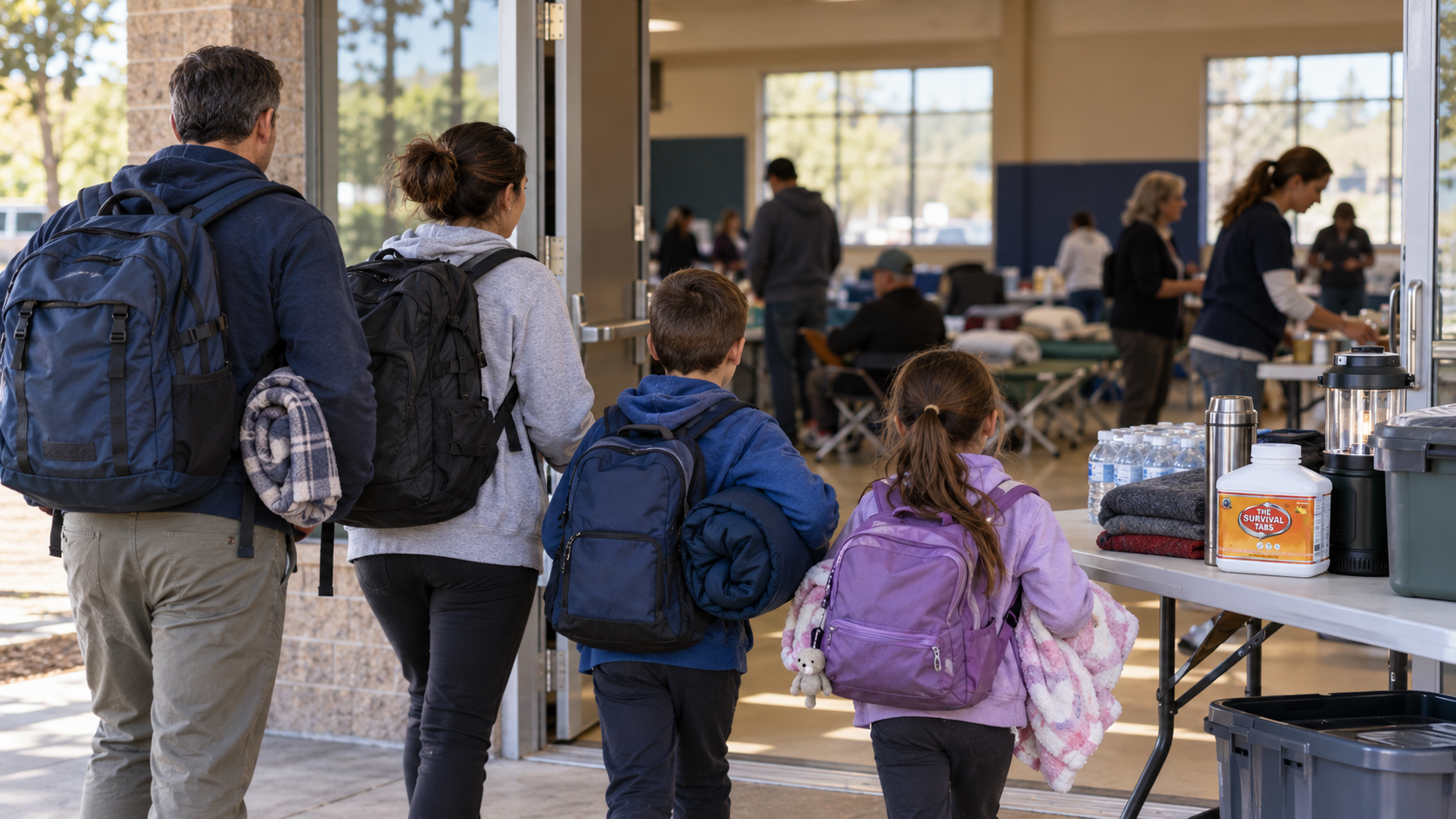
Knowledge Center ID: ST-KC-094
Quick answer: Emergency Shelter Basics helps households prepare with practical, low-risk steps that prioritize official guidance, essential supplies, and safe decision-making.
<!-- IMAGE:IMG-ST-KC-094-01 -->
Emergency Shelter Is About Protection, Not Comfort
An emergency shelter is a place that reduces immediate exposure to weather, smoke, unsafe buildings, extreme temperatures, or other hazards. In most household emergencies, the safest shelter is a sturdy existing building, an official community shelter, or a vehicle only when authorities say travel is safe. Improvised outdoor shelter is a last-resort measure, not a substitute for evacuation or professional emergency services.
The first decision is therefore not “How do I build a shelter?” but “What hazard am I trying to get away from?” Floodwater, wildfire, high winds, extreme cold, heat, structural damage, and hazardous air all require different choices. Follow local alerts and evacuation orders, and do not remain in a dangerous location simply because you have supplies.
Choose the Safest Available Location
Start with the strongest safe structure available. For severe weather, use the location recommended by local emergency officials. For hazardous outdoor air, close windows and doors and use the cleanest indoor room available when authorities recommend sheltering in place. For evacuation, know several destinations in advance: family or friends, hotels, community shelters, and pet-friendly locations.
If you may need a public shelter, plan for shared sleeping areas, restrooms, noise, limited privacy, and rules about pets, medications, mobility equipment, and personal belongings. Bring identification, essential medications, chargers, accessibility items, and a compact comfort kit when possible.
A Practical Shelter Kit
Keep shelter supplies simple and portable. Useful basics include weather-appropriate clothing, sturdy footwear, blankets or sleeping bags, a flashlight or headlamp, spare batteries or a power bank, drinking water, ready-to-eat food, first-aid supplies, hygiene items, a whistle, copies of important documents, and a battery-powered or hand-crank radio.
Households should also plan for infants, older adults, medical devices, service animals, pets, and people with sensory or mobility needs. A shelter kit works best when it is packed before an emergency and stored where it can be reached quickly.
<!-- IMAGE:IMG-ST-KC-094-02 -->
Temporary Outdoor Shelter: Keep It Low Risk
When no safe building is available, prioritize staying dry, reducing wind exposure, insulating yourself from the ground, and remaining visible to rescuers. Use existing equipment such as a tent, tarp, emergency bivy, sleeping pad, blanket, or vehicle rather than attempting complex construction.
Avoid dead trees and hanging limbs, drainage channels, dry creek beds, cliff edges, unstable slopes, avalanche terrain, and areas exposed to rising water. Never use fuel-burning heaters, grills, camp stoves, or generators inside a tent or enclosed shelter because carbon monoxide can accumulate quickly.
<!-- IMAGE:IMG-ST-KC-094-03 -->
When to Leave a Shelter
A shelter is only useful while the location remains safer than the alternatives. Leave when authorities order evacuation, when the structure becomes unsafe, when water is rising, when fire or smoke conditions worsen, or when essential medical needs cannot be met. Do not re-enter a damaged building until authorities or qualified professionals say it is safe.
Emergency Shelter Checklist
Before an emergency:
- Identify two or more shelter destinations.
- Know local hazards and alert systems.
- Pack a portable emergency kit.
- Plan for pets, medications, and accessibility needs.
- Test flashlights, radios, and chargers.
- Keep weather-appropriate clothing accessible.
During an emergency:
- Follow official instructions.
- Move early when evacuation is advised.
- Keep everyone together when possible.
- Avoid generators and fuel-burning equipment indoors.
- Monitor conditions and be ready to relocate.
Frequently Asked Questions
What is the best emergency shelter?
The safest option depends on the hazard. A sturdy existing building or official shelter is usually preferable to an improvised outdoor shelter.
Should I build a survival shelter in advance?
For most households, planning safe destinations and maintaining a portable emergency kit is more useful than constructing a specialized shelter.
Can I use a tent during an emergency?
A tent can help with rain and wind in some outdoor situations, but it offers limited protection from extreme weather, falling debris, wildfire, flooding, or hazardous air.
Can a generator or camp stove be used in a shelter?
No. Fuel-burning equipment can create deadly carbon monoxide. Use it only in properly ventilated outdoor locations according to manufacturer and official safety guidance.
Related Knowledge Center Topics
Complete Guide to Emergency Preparedness; 72-Hour Emergency Kit Guide; Emergency Radio and Communication Guide; Power Outage Preparedness Guide; Apartment Emergency Preparedness Guide.
SEO and Publishing Package
SEO title: Emergency Shelter Basics: Safe Household Shelter Planning
Meta description: Learn how to choose safer emergency shelter locations, prepare a compact shelter kit, plan for public shelters, and avoid common shelter hazards.
Suggested URL: /blogs/knowledge-center/emergency-shelter-basics
Suggested schema: Article with FAQPage markup where supported and validated.
Manual Image Plan
IMG-ST-KC-094-01
Placement: Featured
Prompt: Calm realistic emergency preparedness scene showing a family arriving at a well-organized community shelter with backpacks and blankets, natural lighting, no panic, no visible logos or text, wide composition for website hero crop.
Alt text: Family arriving calmly at a community emergency shelter with prepared bags.
IMG-ST-KC-094-02
Placement: After “A Practical Shelter Kit”
Prompt: Overhead editorial photo of a compact emergency shelter kit: blanket, flashlight, water, radio, hygiene pouch, documents folder, power bank and simple ready-to-eat food, organized on a neutral surface, no branding, no text.
Alt text: Organized emergency shelter kit with basic household supplies.
IMG-ST-KC-094-03
Placement: After “Temporary Outdoor Shelter: Keep It Low Risk”
Prompt: Educational realistic outdoor scene showing a simple tent or tarp shelter on safe level ground away from dead trees and waterways, calm weather, no weapons, no survivalist theatrics, no text.
Alt text: Simple temporary outdoor shelter placed on safe, level terrain.
Official Sources
Ready.gov — Shelters: https://www.ready.gov/shelter
Ready.gov — Build a Kit: https://www.ready.gov/kit
FEMA — Caregivers Preparedness Guide: https://www.ready.gov/sites/default/files/2024-02/ready-gov_caregivers-preparedness-guide.pdf
Editorial note: This guide is educational and does not replace instructions from emergency officials, building authorities, public-health agencies, utilities, qualified professionals, or product manufacturers.