

Emergency Shelter Basics
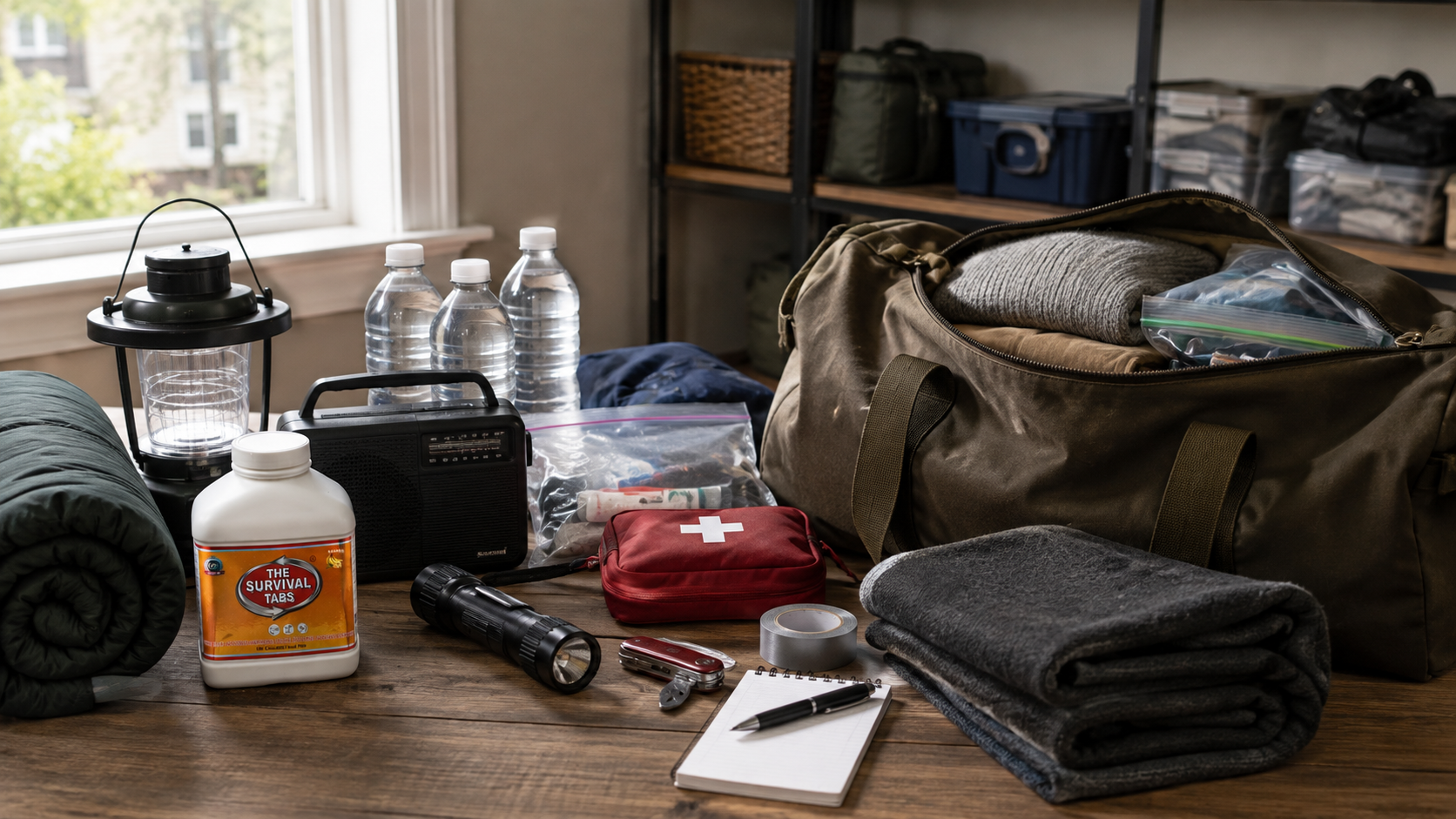
Emergency shelter is about protection from immediate environmental hazards. Depending on the situation, that may mean staying inside a safe building, moving to a designated community shelter, using a vehicle temporarily, or creating a simple outdoor shelter.
1. Shelter Starts With the Hazard
Do not choose shelter based only on comfort. Severe weather, flooding, wildfire, extreme heat, extreme cold, and hazardous-material events can require very different shelter decisions. Follow evacuation or shelter-in-place instructions from local authorities.
2. Use an Intact Building When It Is Safe
A structurally sound building generally offers more protection than an improvised outdoor shelter. Identify interior rooms, exits, utility shutoffs, alarms, and a place for emergency supplies. Leave if the building is damaged, flooding, on fire, or otherwise unsafe.
3. Know When to Evacuate
Leave when authorities order evacuation or when staying creates immediate danger. Plan routes and alternate destinations. Bring medications, identification, essential documents, communication devices, water, food, and mobility or medical equipment.
4. Build a Shelter Kit
Useful basics include weather-appropriate clothing, blankets or sleeping bags, a tarp, cordage, flashlight, batteries, radio, water, shelf-stable food, first aid supplies, hygiene items, work gloves, and basic tools.
5. Outdoor Shelter Priorities
If you must shelter outdoors, choose a location away from flood channels, unstable trees, cliffs, rockfall, avalanche paths, roadways, and other obvious hazards. Avoid low ground. Protect against wind and precipitation while maintaining ventilation.
6. Insulation Matters
In cold conditions, reduce heat loss to the ground and keep clothing dry. In hot conditions, shade and airflow may be more important than enclosure.
7. Ventilation Is Essential
Never use charcoal grills, generators, camp stoves, or other fuel-burning equipment inside a tent or improvised enclosed shelter. Use such equipment only as directed in appropriate outdoor locations.
8. Water and Sanitation
Keep safe drinking water accessible. Keep waste away from sleeping and food-preparation areas. Bring personal hygiene and specialty household items to community shelters.
9. Lighting and Communication
Use battery-powered lighting rather than open flames when possible. Keep a battery or hand-crank radio for official information. Conserve phone power and maintain a written contact list.
10. Special Needs
Include medications, refrigeration needs, mobility devices, medical-equipment charging, sensory needs, service animals, infant supplies, and pet carriers in the shelter plan.
11. Vehicle Shelter
A vehicle can offer temporary protection but can become dangerous in heat, cold, floodwater, wildfire, or snow. Never remain in a vehicle threatened by rising water or another immediate hazard.
12. Common Shelter Mistakes
- Waiting too long to evacuate.
- Choosing low ground during flood risk.
- Using fuel-burning devices inside tents.
- Ignoring ventilation or insulation.
- Failing to plan for medications and accessibility.
- Depending on one shelter location or route.
13. Emergency Shelter Checklist
- Know when to evacuate or shelter in place.
- Identify two destinations.
- Keep weather-appropriate bedding and clothing.
- Store water and shelf-stable food.
- Keep lighting, radio and batteries ready.
- Include first aid and hygiene supplies.
- Plan for household-specific needs and pets.
- Keep fuel-burning equipment out of enclosed shelters.
Conclusion
Good shelter planning is about making the right location decision early. Understand the hazard, use an intact building when appropriate, evacuate when instructed, and treat ventilation, temperature, water, communication, and special needs as part of the shelter system.