

Emergency Preparedness on a Budget
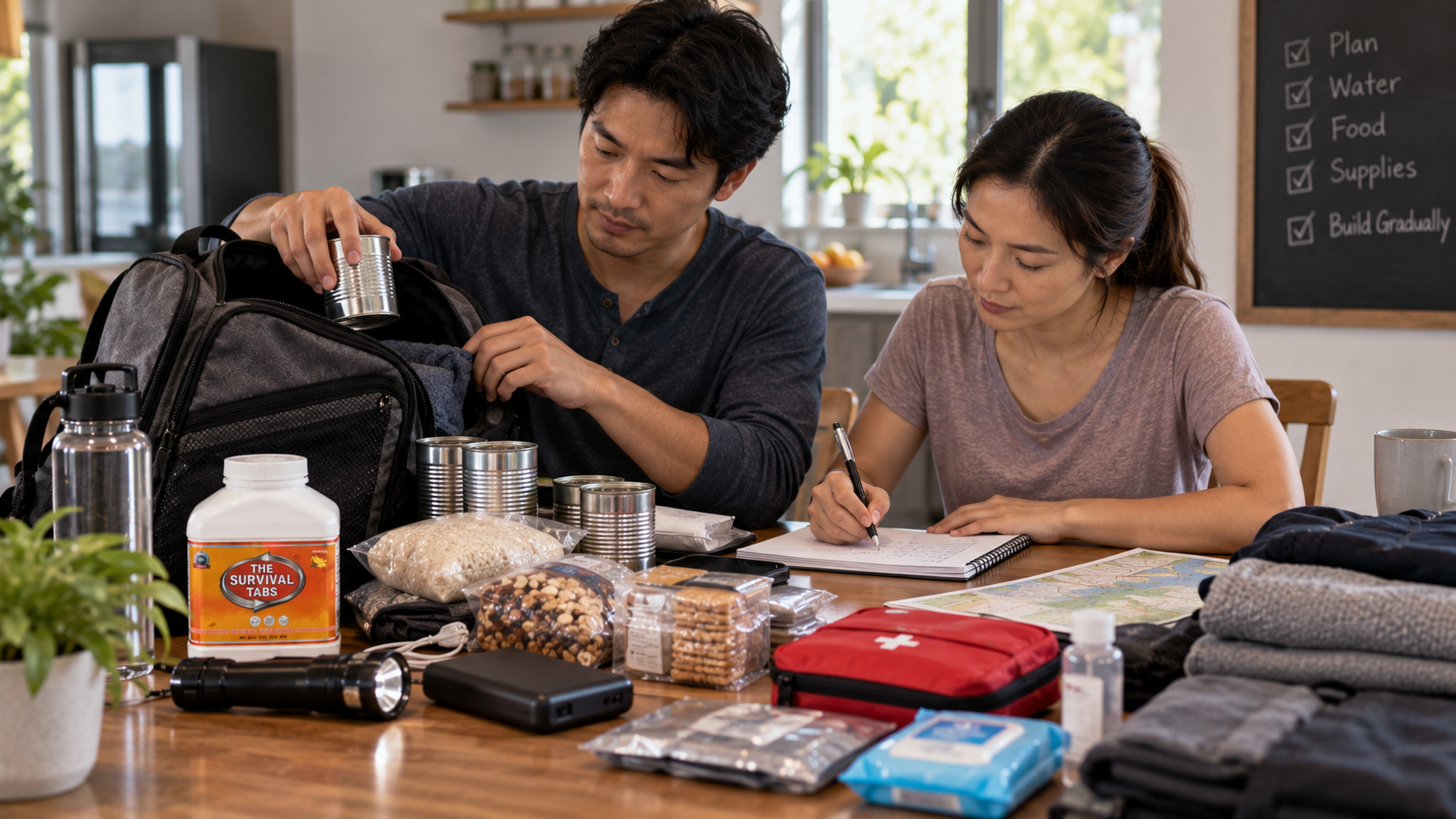
Emergency Preparedness on a Budget
Preparedness does not require buying a complete kit in one shopping trip. Cover high-priority needs first, use suitable items you already own and build reserves gradually.
Plan before shopping Write down likely local hazards, household members, evacuation routes, contacts and special needs. Planning is largely free and prevents spending on equipment that does not fit your situation.
Prioritize essentials Build around safe water, food, necessary medications and personal supplies, lighting, communications, hygiene and weather protection. Do not spend heavily on specialized gear while basic needs remain unresolved.
Use what you have A backpack can become a go-bag. Existing blankets, sturdy shoes, flashlights, chargers, hygiene supplies and kitchen items may already cover part of the list. Organize them before buying duplicates.
Build food through normal shopping Add a few shelf-stable foods your household already eats when the budget allows. Rotate them into normal meals and replace them. This reduces waste and makes the reserve familiar.
Build water deliberately Follow current public-health guidance for emergency water storage and replacement. Use appropriate food-grade containers; never reuse containers that held toxic chemicals.
Buy in stages A simple sequence is communication plan; water; several days of food; lighting and charging; first aid and hygiene; evacuation supplies; then longer-duration reserves. Move medications, infant needs, disability-related equipment or pet essentials higher when applicable.
Avoid false economy An inexpensive item is not useful if unreliable, unsafe or incompatible. Test equipment and check expiration dates.
Learn community resources such as alerts, shelters and cooling centers. Survival Tabs may help where compact long-shelf-life food fits the user's needs, but compare cost, nutrition, variety and household use rather than treating one product as a complete solution.