

Emergency Preparedness Gift Guide
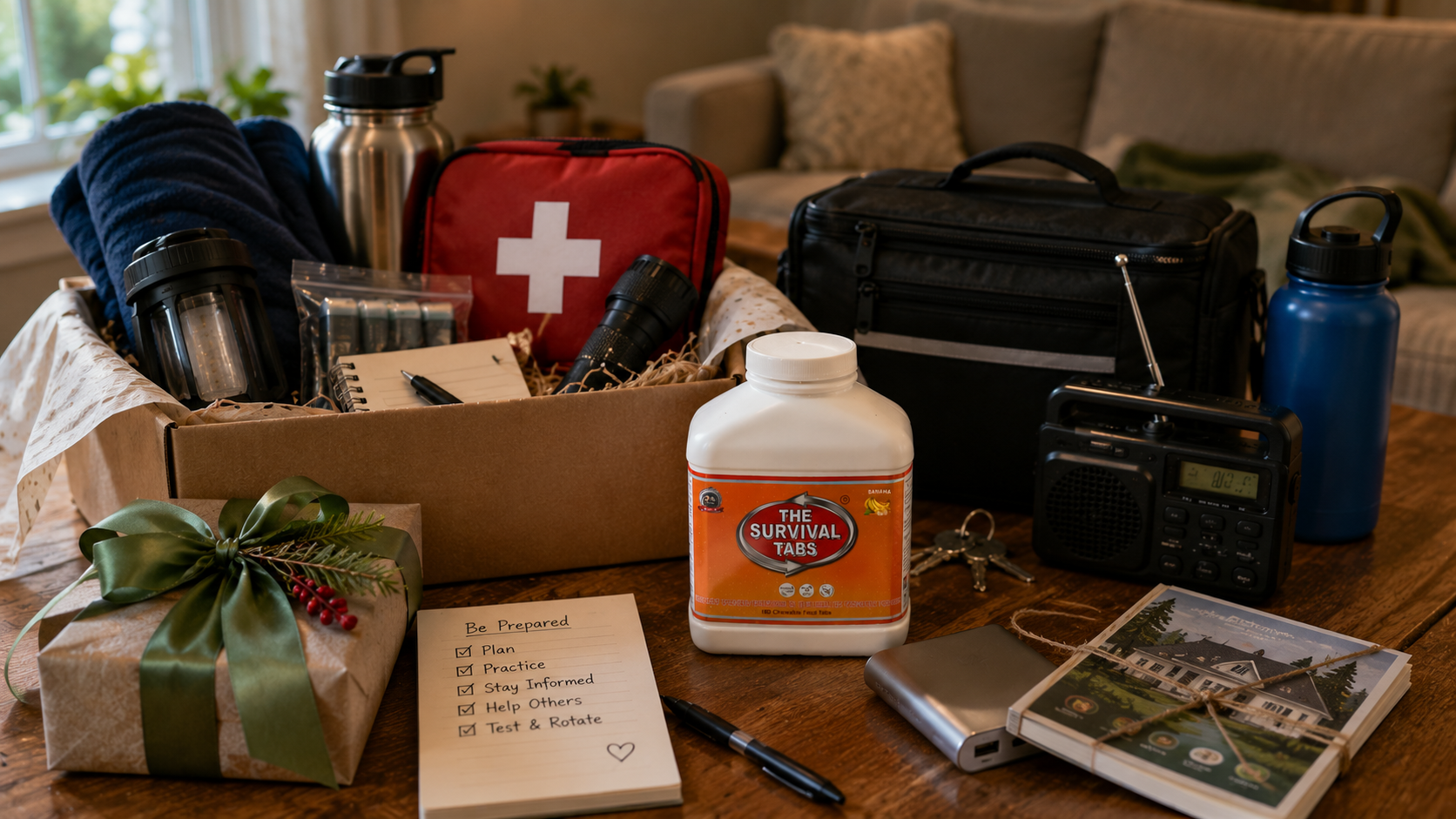
Practical, respectful gifts that help people prepare without fear or pressure
A preparedness gift can be useful, thoughtful, and calm. The best choice is not necessarily the largest kit or the most dramatic gadget. It is something the recipient can understand, safely use, maintain, and fit into a realistic emergency plan.
This guide explains how to choose preparedness gifts for households, vehicles, work, travel, older adults, people with disabilities, children, and pet owners. It also explains when a gift card, planning session, or contribution toward a larger purchase may be better than a surprise item.
Preparedness is personal. Ask about needs, space, dietary requirements, medications, mobility, local hazards, and comfort level before buying specialized equipment.
Quick answer: choose one useful gap in the recipient's plan, confirm compatibility and safety, add simple instructions, and include a reminder to test or rotate the item.
What makes a good preparedness gift?
A good preparedness gift is relevant, usable, maintainable, and proportionate to the recipient's situation.
- It addresses a real need rather than creating clutter.
- It can be operated safely by the intended user.
- It fits available storage space and local conditions.
- It does not depend on unavailable fuel, batteries, subscriptions, or accessories.
- It includes clear instructions and warranty information.
- It respects dietary, medical, sensory, mobility, language, and cultural needs.
- It can be inspected, practiced with, and replaced when necessary.
Preparedness gifts should support a plan; they should not be presented as a guarantee of safety.
Start with the person, not the product
Before shopping, learn what the recipient already owns and which emergencies are plausible where they live, work, or travel.
Questions to ask
- Which hazards are most relevant: power outages, storms, wildfire, flooding, extreme heat, extreme cold, earthquakes, or evacuation?
- Is the gift for home, car, workplace, school, travel, or outdoor use?
- How many people or animals must it support?
- Does anyone rely on medication, refrigerated medicine, mobility equipment, hearing aids, communication aids, or powered medical devices?
- Are there food allergies, intolerances, religious restrictions, or strong taste preferences?
- How much storage space is available?
- Can the recipient lift, open, read, charge, maintain, and safely operate the item?
- Would the recipient prefer a physical item, a gift card, or help completing a plan?
For surprise gifts, favor low-risk, broadly useful items. Ask first before buying medical supplies, fuel-burning equipment, weapons, expensive radios, generators, water-treatment devices, or specialized evacuation gear.
A simple gift-selection method
Step 1: identify one gap
Choose a single unmet need, such as lighting during outages, backup charging, water storage, communication, warmth, document protection, or pet evacuation.
Step 2: check compatibility
Confirm battery type, connector type, device voltage, size, weight, storage conditions, refill availability, subscription requirements, and local rules.
Step 3: check the recipient's ability to use it
A product is not helpful if controls are too small, instructions are unreadable, packaging is difficult to open, or the item requires strength or technical knowledge the recipient does not have.
Step 4: add what makes the gift usable
Include batteries, charging cables, a storage pouch, labels, printed instructions, or a date for testing when appropriate.
Step 5: plan maintenance
Write the inspection or rotation date on a removable label. Keep receipts and warranties. Avoid writing directly over product instructions or expiration information.
Step 6: practice once
Offer to test the flashlight, tune the weather radio, charge the power bank, fit the carrier, or place the item in the correct kit.
Gift ideas by budget
Lower-cost gifts
- A compact flashlight from a reputable manufacturer
- Spare batteries in the correct size and chemistry
- A waterproof document pouch
- A manual can opener
- A loud whistle
- Reflective tape or a high-visibility vest
- A printed contact card and emergency-plan worksheet
- A small first-aid organizer without unrequested medicines
- A pet leash, waste bags, collapsible bowl, or carrier label
- A headlamp suitable for the recipient
Check small gifts for choking hazards, button-cell batteries, sharp edges, magnets, and accessibility problems before giving them to households with children or vulnerable adults.
Mid-range gifts
- A NOAA Weather Radio or alert-capable emergency radio
- A quality power bank with compatible cables
- A vehicle emergency organizer stocked for local climate
- A smoke or carbon-monoxide alarm appropriate to the home and local requirements
- An insulated cooler intended for approved medication transport, selected with professional guidance
- A durable pet carrier or evacuation bag
- A water-storage container designed for potable water
- A warm blanket or sleeping bag matched to likely conditions
For alarms, verify type, installation location, compatibility, certification, replacement interval, and whether the recipient can install and test them correctly.
Higher-cost gifts
- A professionally selected backup-power solution
- A portable power station matched to specific loads
- A professionally installed home safety or alerting upgrade
- Accessible evacuation equipment chosen with the user and a qualified professional
- A household water-storage system selected for available space and load limits
- A training course from a recognized provider
Expensive equipment should not be a blind surprise. Confirm specifications, safe placement, installation, fuel or charging needs, warranty service, and the recipient's ability to maintain it.
Preparedness gifts for the home
- Lighting that can be stored where it is reachable in the dark
- Backup charging for essential communication devices
- A battery-powered or hand-crank radio for alerts
- Safe water containers and a labeling system
- Shelf-stable food that fits the household's dietary needs
- A manual can opener for foods that require one
- A fire extinguisher only when the correct type, placement, training, and inspection plan are understood
- A home inventory or document-protection kit
- A door-side evacuation organizer for keys, leashes, shoes, and essential items
Do not place emergency supplies where heat, moisture, pests, children, or pets can damage or access them. The recipient should decide the final location.
Preparedness gifts for a vehicle
- A reflective vest and warning device appropriate to local law
- A bright flashlight or headlamp
- A phone charger compatible with the vehicle
- Seasonal water and shelf-stable snacks rotated frequently
- A blanket, rain layer, hat, or gloves appropriate to climate
- A tire-pressure gauge and manufacturer-compatible inflator
- A basic first-aid kit
- A paper map for common routes
- A small bag for medications and essential documents during evacuation
Avoid leaving heat-sensitive medicines, lithium batteries, aerosol products, food, or water in a vehicle unless the manufacturer and a qualified professional confirm the storage conditions are acceptable.
Preparedness gifts for work or travel
- A compact charger and cable set
- A small flashlight
- A contact card
- Comfortable walking shoes kept at work
- A dust mask selected for the intended use and fit
- A small supply of familiar shelf-stable food
- A refillable water bottle used as part of a broader water plan
- Copies of essential travel information stored securely
Airline, workplace, school, venue, and border rules can restrict batteries, tools, liquids, fuel, blades, aerosols, and other emergency items. Check rules before packing.
Gifts for older adults and people with disabilities
The recipient should lead decisions about disability-related or medical preparedness. Do not assume needs based on age or appearance.
- Large-print or high-contrast labels
- Easy-grip containers and simple controls
- Backup batteries or chargers for approved assistive equipment
- Communication cards or aids selected with the user
- A waterproof contact and health-information pouch
- A duplicate cane or other mobility aid if appropriate and feasible
- A cooler for refrigerated medication only after clinician or pharmacist guidance
- A check-in plan created with trusted contacts
CDC guidance emphasizes that emergency kits should match individual needs and be kept current and easy to find.
Preparedness gifts for families with children
- A child-friendly flashlight with a secure battery compartment
- An identification and family-contact card
- A comfort item stored with evacuation supplies
- A simple picture-based emergency plan
- Hearing protection for appropriate situations
- Age-appropriate books or activities for sheltering periods
Adults must control medicines, chemicals, matches, lighters, fuel, blades, tools, button batteries, magnets, and other hazardous kit contents. Preparedness gifts are not toys unless clearly designed and labeled as toys.
Preparedness gifts for pet owners
- A sturdy leash, harness, or carrier that fits the animal
- Current identification tags
- A collapsible bowl and water container
- A waterproof document pouch for vaccination and ownership records
- Waste bags and cleanup supplies
- A small pet first-aid organizer selected with a veterinarian
- A familiar comfort item
Food, medicines, species-specific supplies, and evacuation destinations should be chosen by the owner with veterinary guidance when needed.
Food and nutrition gifts
Emergency food can be helpful, but a food gift must fit the recipient's health needs, diet, storage conditions, and ability to prepare it.
- Read the complete ingredient and allergen label.
- Check serving information and total calories rather than relying on package duration claims alone.
- Confirm whether water, cooking, utensils, or fuel are required.
- Choose familiar flavors when possible.
- Check package integrity and the manufacturer's storage instructions.
- Provide variety for longer plans.
- Do not give prescription diets or medically specialized foods without approval.
No single food should be presented as a complete answer for every person or every emergency.
Where Survival Tabs may fit
According to the official Survival Tabs website, selected products are marketed as compact emergency nutrition with a 25-year shelf-life claim when stored as directed, and current listings include gluten-free and non-GMO descriptions.
Treat label instructions, current packaging, and the official product page as the product-fact source. Verify the exact flavor, package, ingredients, allergens, servings, and storage directions before gifting.
Survival Tabs should be positioned as one component of a broader emergency food and water plan, not as a universal sole diet or a substitute for individualized medical nutrition advice.
Gifts that require extra caution
Fuel-burning equipment
Do not give grills, camp stoves, heaters, generators, gasifiers, fuel, or charcoal without confirming safe outdoor use, ventilation requirements, local rules, storage, and training. Carbon monoxide cannot be seen or smelled.
Water-treatment products
Filters, chemicals, and purifiers have different capabilities and limits. The recipient must understand the exact contaminants addressed, replacement schedule, contact time, and situations in which the water cannot be made safe.
First-aid and medical items
A general organizer or commercially packaged first-aid kit may be appropriate. Do not add prescription medicines, share personal prescriptions, recommend doses, or imply that a kit replaces professional care.
Radios and satellite devices
Confirm licensing, coverage, subscriptions, local frequency rules, charging requirements, and realistic range. Practice is more valuable than an unopened advanced radio.
Tools and self-defense items
Tools, blades, weapons, sprays, and restraint or forced-entry products can be illegal, hazardous, or inappropriate. Do not surprise someone with them. Check law, training, secure storage, and household risk.
Presentation without fear
A preparedness gift should communicate care, not anxiety.
- Use calm language such as 'for outages, travel, or unexpected delays.'
- Avoid countdowns, catastrophe claims, political pressure, or shame.
- Explain why you selected the item for that person.
- Invite the recipient to exchange it if it does not fit.
- Offer help setting it up without taking control of their plan.
- Include a simple card with testing and rotation dates.
A gift bundle that stays practical
A small, coordinated bundle is often better than a large mixed survival kit.
Example: power-outage bundle
- Flashlight or headlamp
- Compatible batteries
- Charged power bank and cable
- Printed local utility and emergency contacts
- Simple testing and recharge schedule
Example: car-delay bundle
- Reflective vest
- Flashlight
- Phone charger
- Seasonal clothing layer
- Water and familiar snacks with rotation dates
Example: pet-evacuation bundle
- Leash or carrier selected by the owner
- Identification tag
- Collapsible bowl
- Document pouch
- Waste bags
Give time or help instead of equipment
Some of the most valuable preparedness gifts are services.
- Help create or update emergency contacts.
- Print and protect copies of important information.
- Help sign up for local emergency alerts.
- Test alarms and replace batteries according to manufacturer instructions.
- Organize a kit so it is easy to reach.
- Help rotate food, water, and batteries.
- Schedule a family drill.
- Pay for recognized first-aid, CPR, or preparedness training.
- Contribute toward a professionally selected accessibility or backup-power need.
Final checklist before you buy
- The item fills a known gap.
- The recipient wants it or is likely to use it.
- The item is appropriate for local hazards.
- The size, weight, controls, language, and packaging are accessible.
- Food and medical considerations have been checked.
- Batteries, cables, fuel, filters, refills, or subscriptions are available.
- Storage conditions are realistic.
- Instructions, receipts, and warranties are included.
- The recipient knows how and when to test it.
- A rotation or inspection date is recorded.
- The gift does not create a new fire, poisoning, legal, or child-safety risk.
Frequently asked questions
What is the best emergency preparedness gift?
There is no universal best gift. The best choice fills a verified gap, fits the recipient, and can be safely used and maintained.
Is a preassembled survival kit a good gift?
It can be a starting point, but inspect every component. Many kits contain unfamiliar, low-quality, expired, incomplete, or unsuitable items. Customize the kit for the household and local hazards.
Can I give emergency food as a surprise?
Only when you are confident about allergies, dietary needs, storage space, preparation requirements, and taste. Otherwise, use a gift card or let the recipient select the food.
Should I give a generator or camp stove?
Only after discussing safe placement, outdoor-use rules, carbon-monoxide risk, fuel storage, local requirements, load needs, and training. These are not casual surprise gifts.
What can I give someone who already has a kit?
Offer replacement batteries, updated documents, maintenance help, training, a vehicle or workplace module, or a contribution toward an item they have already selected.
How often should preparedness gifts be checked?
Follow the manufacturer's instructions. As a general organizing habit, review kits at least every six months and after use, travel, moves, household changes, or major changes in health needs.
Is it appropriate to give preparedness items to children?
Give age-appropriate items through the parent or guardian. Avoid hazardous kit contents and products with accessible button batteries, sharp parts, chemicals, fuel, or medication.
Limitations and review requirements
This guide provides general preparedness information. It does not replace manufacturer instructions, local emergency guidance, building or fire codes, medical advice, veterinary advice, legal advice, or professional equipment selection.
Product availability, prices, specifications, certifications, subscriptions, promotions, and discount programs can change. Verify current details before publication or purchase.
Any branded product statement must match current official labeling and approved product documentation. Avoid performance, disease, mental-clarity, superiority, or guaranteed-survival claims.
Qualified fire-safety, medical, accessibility, food-safety, and legal review may be needed for specialized recommendations.
Official sources
CDC: Building an Emergency Kit
CDC: Be Prepared to Protect Your Pet in an Emergency
The Survival Tabs: Official Website
Source links and product facts checked July 25, 2026.