

Emergency Preparedness for Babies and Young Children
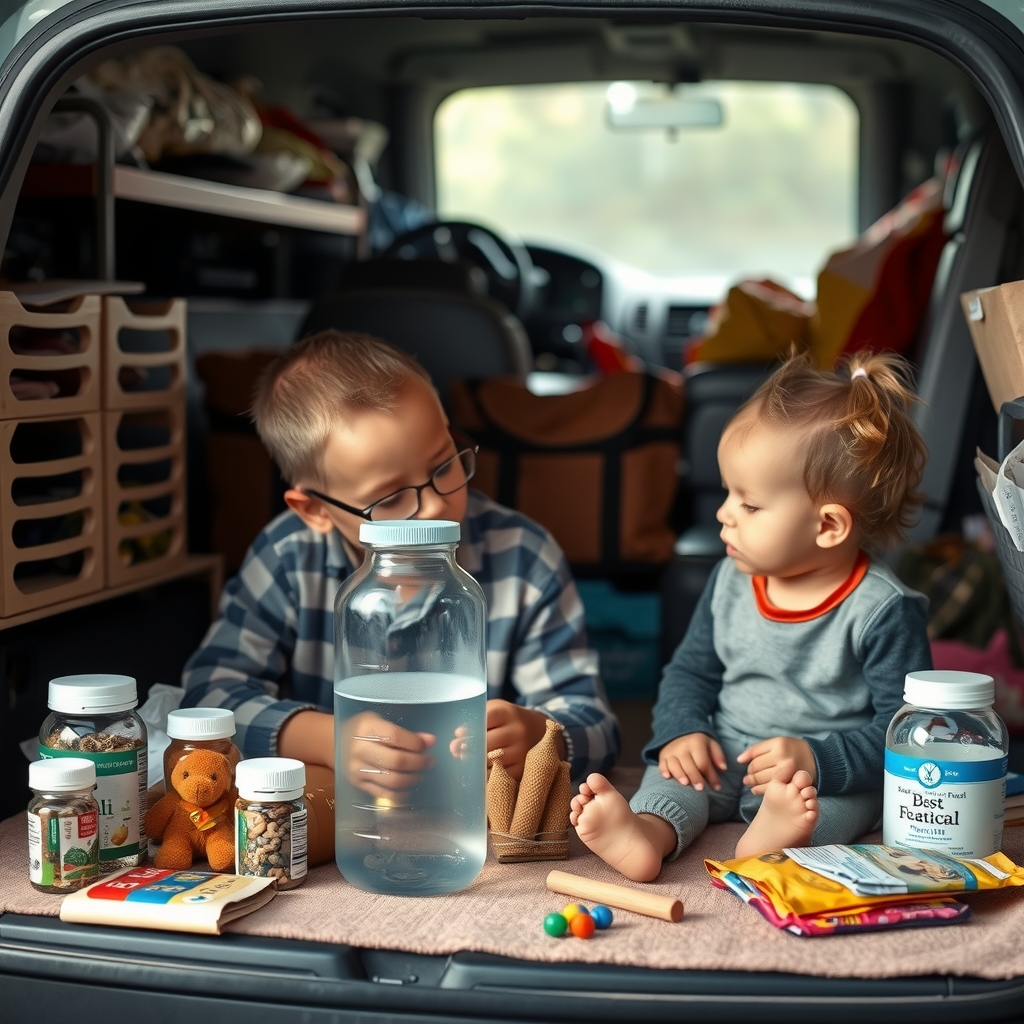
Emergencies can be more complicated when a household includes a baby or young child because many everyday supplies are specific to the child. Build the plan around the child's normal routine and the supplies the family already uses.
Family plan
Keep parent and caregiver contacts, pickup information, current photos, and important family records together.
Child-specific supplies
Include diapers or training supplies, wipes, changing materials, weather-appropriate clothing, blankets, age-appropriate food and feeding supplies, and familiar comfort items. Check the kit regularly as the child grows.
Food and water
Include emergency water and the child's normal shelf-stable feeding supplies where appropriate. Follow product directions and current public-health guidance if safe water, refrigeration, or normal cleaning facilities are disrupted. Do not improvise changes to formula preparation.
Evacuation
Keep a lightweight child go-bag with essential supplies, important information, and a familiar comfort item. Keep car seats and other normally required transportation equipment accessible.
Comfort and routine
Simple explanations, familiar objects, and predictable routines can help caregivers maintain continuity during a disruption.
Survival Tabs may be part of an adult household emergency-food plan where appropriate, but they are not a substitute for infant formula or child-specific foods and supplies.