Duck hunting is a thrilling pursuit that requires careful planning and consideration of various factors
Duck hunting is a thrilling pursuit that requires careful planning and consideration of various factors. Let's explore the best times to hunt ducks in top states, the impact of weather conditions, effective calls, decoy selection, and legal regulations.

Best Times to Hunt Ducks in Top States
Louisiana
The duck hunting season in Louisiana typically runs from November to January, with peak activity occurring during the migration months of November and December[1]. The diverse wetlands and marshes of Louisiana attract large numbers of waterfowl, including mallards, pintails, teal, and gadwalls.
Kansas
Kansas, part of the Central Flyway, experiences a gradual increase in duck numbers beginning in late August and peaking during December or early January[2]. Different species arrive at various times:
- Blue-winged teal: Peak in September and early October
- Northern pintail: Major buildup in late October
- Green-winged teal and gadwall: Peak during the first half of November
- Mallards: Peak in late December

Texas
The Texas duck season generally runs from early November to late January[3]. The state is divided into zones with specific hunting dates:
- High Plains Mallard Management Unit: October 26-27 and November 1 through January 26
- North Zone: November 9 through December 1 and December 7 through January 26
- South Zone: November 2 through December 1 and December 14 through January 26

Weather Conditions and Duck Hunting Success
Weather plays a crucial role in waterfowl hunting success[4]. Key factors include:
Temperature: Colder weather prompts southward migration, while milder temperatures may cause birds to linger in certain areas.
Wind: Gentle breezes can help conceal hunters and create natural decoy motion. Strong winds may deter birds from flying or cause them to seek shelter.
Precipitation: Some waterfowl species are more active during rain, snow, or sleet, while others may seek shelter.
Barometric Pressure: Falling pressure, often associated with incoming storms, can trigger increased feeding activity among waterfowl.

Effective Calls for Different Duck Species
While specific call recommendations weren't provided in the search results, it's important to note that different duck species respond to various calls. Mastering the basic quack, feed call, and hail call can be effective for many species, particularly mallards.
Choosing the Right Decoy Material and Color
The search results don't provide specific information on decoy materials and colors. However, it's generally advisable to choose decoys that accurately represent the species you're targeting in terms of size, shape, and coloration. Durability and realism are important factors to consider when selecting decoy materials.
Legal Regulations for Duck Hunting in Top States
Louisiana
Hunters must possess a valid Louisiana hunting license and proper permits[1]. Always check the latest regulations from the Louisiana Department of Wildlife and Fisheries for specific rules and bag limits.
Kansas
Hunters in Kansas require[2]:
- Kansas HIP Permit
- State Waterfowl Stamp
- Federal Duck Stamp
The daily bag limit is typically 6 ducks, with specific restrictions on certain species.
Texas
Texas duck hunting regulations include[3]:
- Separate season dates for different zones
- Special youth, active military, and veterans seasons
- Specific regulations for "dusky" duck hunting
Always consult the Texas Parks and Wildlife Department for the most up-to-date regulations and bag limits.
Remember to always check local regulations, as they may change from year to year and vary by specific location within each state.
 |
 |
 |
 |
 |
|
|---|---|---|---|---|---|
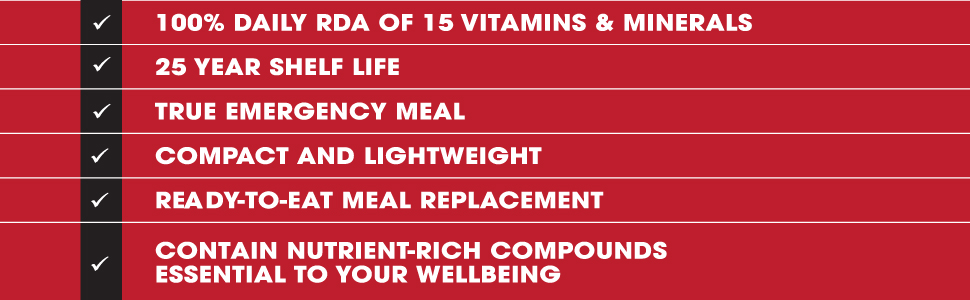
| 720 Tabs Emergency Food Survival Gluten Free and Non-GMO 25 Years Shelf Life | Food Supply 96 Tabs Emergency Food Replacement Disaster Preparedness | Ultimate Preparedness Emergency Food Supply 25 year shelf life | Emergency Food Ration Survival MREs Food Replacement | Emergency Food Survival Food Meal Replacement MREs Gluten Free and Non-GMO | |
| Day Serving | 60 days | 8 days | 120 days | 15 days | 2 days |
| Shelf-Life | 25 years | 25 years | 25 years | 25 years | 25 years |
| Non-GMO | ✓ | ✓ | ✓ | ✓ | ✓ |
| Gluten Free | ✓ | ✓ | ✓ | ✓ | ✓ |
| Tabs Amount | 720 | 96 | 1440 | 180 | 24 |