Creating an effective emergency medication kit is essential for preparedness in case of unforeseen medical situations
Creating an effective emergency medication kit is essential for preparedness in case of unforeseen medical situations. Below is a comprehensive guide on the best practices for storing medications, organizing your kit, and ensuring that your supplies remain effective.

Best Containers for Storing Medications in an Emergency Kit
1. Clear Plastic Bins:
- Description: Durable and transparent containers allow for easy visibility of contents.
- Benefits: They protect medications from moisture and provide organization. Look for bins with airtight lids to keep out contaminants.
2. Portable First Aid Caddies:
- Description: Containers designed specifically for first aid supplies, often featuring detachable trays.
- Benefits: These caddies can help organize small items like bandages and ointments while being easy to transport. An example is the Clear First Aid Bin with a detachable tray, which is ideal for travel and home use [1].
3. Zip Lock Bags:
- Description: Heavy-duty zip lock bags can be used to group similar medications together.
- Benefits: They are waterproof and lightweight, making them easy to store and transport.
4. Emergency Medicine Boxes:
- Description: Dedicated boxes designed to hold a variety of medications and first aid supplies.
- Benefits: These boxes often come with compartments for organization and can be easily labeled [5].
5. Waterproof Storage Containers:
- Description: Containers specifically designed to keep contents dry during floods or other emergencies.
- Benefits: They protect critical items from water damage, ensuring medications remain safe [3].

Keeping Medications Organized in a Small Emergency Kit
- Use Dividers or Small Containers: Incorporate dividers within your main container to separate different types of medications (e.g., pain relievers, allergy medications).
- Label Everything Clearly: Clearly label each medication with its name, dosage instructions, and expiration date. This will facilitate quick identification during emergencies.
- Create a Medication List: Maintain a list of all medications included in the kit, along with their dosages and expiration dates. Keep this list in a plastic sleeve attached to the inside of your kit.
Best Practices for Storing Medications in a Backpacking First Aid Kit
1. Waterproof Bags: Use waterproof bags to protect medications from moisture while hiking or camping.
2. Compact Size: Choose smaller, lightweight containers that fit easily into your backpack without taking up too much space.
3. Accessibility: Store frequently used items in exterior pockets of your backpack or in easily reachable spots within the kit.
4. Regular Checks: Before each trip, inspect the kit to ensure all items are present and not expired.

Ensuring Emergency Medications Remain Effective During Extreme Temperatures
1. Insulated Containers: Use insulated bags or coolers to protect medications from extreme heat or cold during travel.
2. Temperature Monitoring Devices: Consider using temperature indicators that alert you if the medication has been exposed to unsafe temperatures.
3. Avoid Leaving Medications in Hot Cars: Always remove medications from the car when parked for extended periods, especially in extreme weather conditions.
Proper Disposal of Expired Medications
1. Take-Back Programs: The safest way to dispose of expired medications is through drug take-back programs available at pharmacies or community events.
2. Home Disposal Method:
- Mix expired medications with an unpalatable substance (like dirt or cat litter).
- Place the mixture in a sealed plastic bag.
- Dispose of the bag in your household trash.
- Ensure all personal information is removed from prescription labels before disposal.
3. Flushing Medications: Only flush medications that are specifically listed as safe to do so by the FDA due to their potential harm if ingested by others or the environment.
In conclusion, having a well-organized emergency medication kit is vital for preparedness during emergencies. By using appropriate containers, maintaining organization, and ensuring medication effectiveness, you will be ready to respond effectively when needed most.
#EmergencyPreparedness #MedicationStorage #FirstAidKit #HealthAndSafety #EmergencyMedicine #OutdoorSafety
 |
 |
 |
 |
 |
|
|---|---|---|---|---|---|
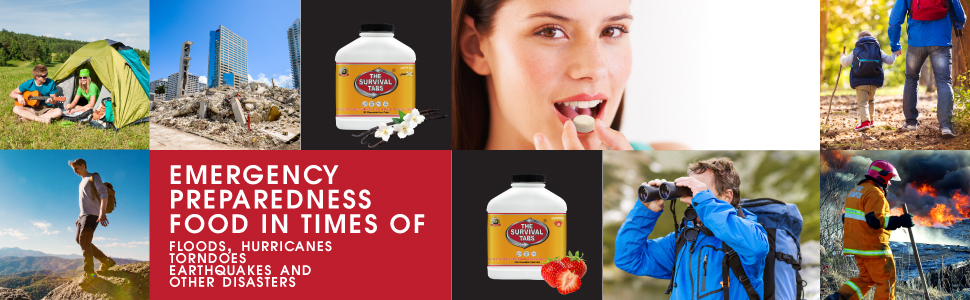
| 720 Tabs Emergency Food Survival Gluten Free and Non-GMO 25 Years Shelf Life | Food Supply 96 Tabs Emergency Food Replacement Disaster Preparedness | Ultimate Preparedness Emergency Food Supply 25 year shelf life | Emergency Food Ration Survival MREs Food Replacement | Emergency Food Survival Food Meal Replacement MREs Gluten Free and Non-GMO | |
| Day Serving | 60 days | 8 days | 120 days | 15 days | 2 days |
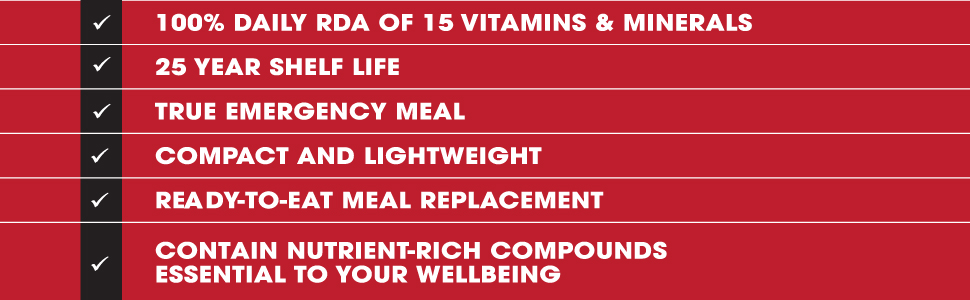
| Shelf-Life | 25 years | 25 years | 25 years | 25 years | 25 years |
| Non-GMO | ✓ | ✓ | ✓ | ✓ | ✓ |
| Gluten Free | ✓ | ✓ | ✓ | ✓ | ✓ |
| Tabs Amount | 720 | 96 | 1440 | 180 | 24 |