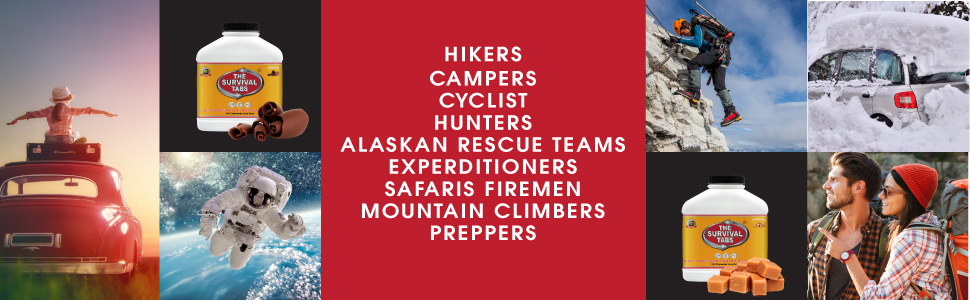
Creating an effective emergency kit that includes prescription medications is essential for preparedness
Below is a comprehensive guide on the best ways to store these medications, ensure their effectiveness, common mistakes in organizing first aid kits, proper disposal of expired medications, and essential medications for a car emergency kit.

Best Ways to Store Prescription Medications in an Emergency Kit
1. Original Containers: Always keep medications in their original containers with labels intact. This ensures you have important information such as dosage and expiration dates readily available[1][9].
2. Waterproof Storage: Use a waterproof bag or container to protect medications from moisture and spills. This is especially important if the kit might be exposed to water or humidity[9].
3. Temperature Control: Store medications at the recommended temperature. Some prescriptions require refrigeration; if power outages occur, consider temporary solutions like storing them in a cool place, such as a toilet tank (not the bowl) which can help maintain a lower temperature[9].
4. Regular Checks: Periodically inspect your emergency kit to ensure that all medications are within their expiration dates and have not changed in appearance or smell[1].

Ensuring Emergency Medications Remain Effective Over Time
- Monitor Expiration Dates: Regularly check the expiration dates of all medications in your kit and replace them as necessary. Most medications should be replaced at least every 1-2 years[1].
- Proper Storage Conditions: Follow storage guidelines specific to each medication, such as avoiding direct sunlight, heat sources, and humidity. Some medications may degrade if not stored correctly over time[1].
- Consult Healthcare Providers: Discuss with your doctor about maintaining an adequate supply of necessary prescriptions for emergencies, particularly for chronic conditions[9].
Common Mistakes When Organizing a First Aid Kit
1. Incomplete Supplies: Many people assume they have all essentials but often miss critical items. Conduct a thorough assessment of what is truly needed based on potential risks in your environment[6].
2. Overstuffing the Kit: A cluttered first aid kit makes it difficult to find necessary items quickly. Organize supplies into categories (e.g., bandages, antiseptics) to enhance accessibility[2].
3. Ignoring Expiration Dates: Failing to regularly check and replace expired items can render your kit ineffective during emergencies. Ensure all items are current and in good condition[6].
4. Not Tailoring to Specific Needs: First aid kits should be customized based on personal health needs and environmental risks (e.g., including burn treatments for kitchens)[6].

Proper Disposal of Expired Medications
1. Take-Back Programs: The safest way to dispose of expired medications is through drug take-back programs available at pharmacies or community events[7][10].
2. Home Disposal Method:
- Mix expired medications with an unpalatable substance (like dirt or cat litter).
- Place the mixture in a sealed plastic bag.
- Dispose of the bag in your household trash.
- Ensure all personal information is removed from prescription labels before disposal[3][10].
3. Flushing Medications: Only flush medications that are specifically listed as safe to do so by the FDA due to their potential harm if ingested by others or the environment[7].
Essential Medications for a Car Emergency Kit
1. Pain Relievers: Include over-the-counter pain relievers like aspirin or ibuprofen for headaches or minor injuries.
2. Antihistamines: Stock allergy medications to manage unexpected allergic reactions.
3. Antiseptics and Antibiotic Ointment: Essential for cleaning wounds and preventing infections.
4. Digestive Aids: Include antacids and anti-diarrheal medications to address gastrointestinal issues during travel.
5. First Aid Supplies:
- Adhesive bandages
- Gauze pads
- Adhesive tape
- Disposable gloves
- Scissors
- Tweezers
6. Emergency Contact Information: Keep a list of emergency contacts and medical information readily accessible in your car[4][8][11].
In conclusion, being well-prepared with an organized emergency kit that includes prescription medications can significantly enhance your ability to respond effectively during health crises. Regularly updating your supplies and following best practices for storage and disposal will ensure that you are ready when emergencies arise.
#EmergencyPreparedness #FirstAidKit #MedicationStorage #HealthAndSafety #CarEmergencyKit #MedicationDisposal
 |
 |
 |
 |
 |
|
|---|---|---|---|---|---|
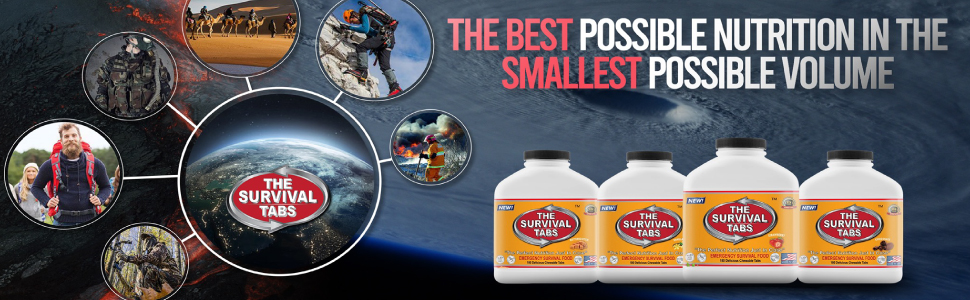
| 720 Tabs Emergency Food Survival Gluten Free and Non-GMO 25 Years Shelf Life | Food Supply 96 Tabs Emergency Food Replacement Disaster Preparedness | Ultimate Preparedness Emergency Food Supply 25 year shelf life | Emergency Food Ration Survival MREs Food Replacement | Emergency Food Survival Food Meal Replacement MREs Gluten Free and Non-GMO | |
| Day Serving | 60 days | 8 days | 120 days | 15 days | 2 days |
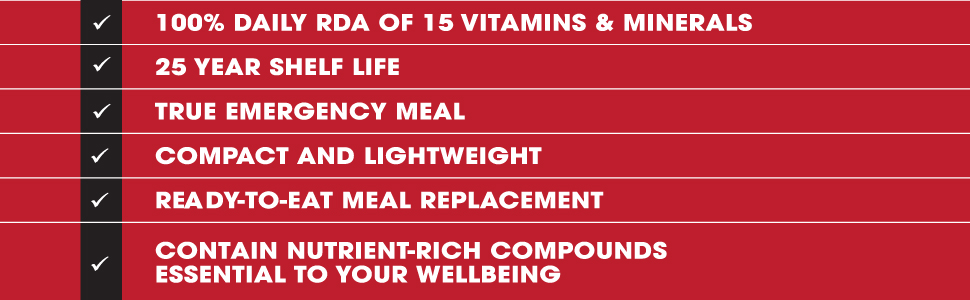
| Shelf-Life | 25 years | 25 years | 25 years | 25 years | 25 years |
| Non-GMO | ✓ | ✓ | ✓ | ✓ | ✓ |
| Gluten Free | ✓ | ✓ | ✓ | ✓ | ✓ |
| Tabs Amount | 720 | 96 | 1440 | 180 | 24 |