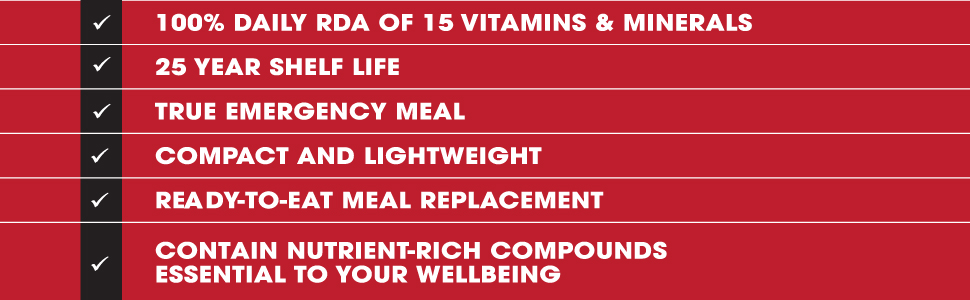
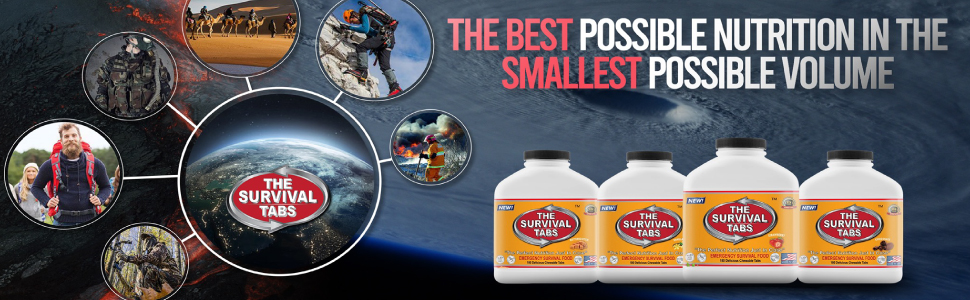
Creating a robust long-term emergency food supply is crucial for preparedness
Let's explore the best foods to include, proper packaging methods, and how to maintain nutrition over time.
Best Foods for Long-Term Emergency Storage
When building your emergency food supply, focus on these essential categories:
Grains and Starches
- Rice (white rice stores better than brown)[1][3]
- Wheat berries
- Pasta
- Rolled oats
- Cornmeal
- Instant mashed potatoes
Proteins
- Dried beans (pinto, black, kidney, navy)[1][2]
- Lentils
- Canned meats
- Peanut butter[2]
Fats and Oils
- Vegetable oil
- Coconut oil
- Olive oil[2][3]
Fruits and Vegetables
- Canned fruits and vegetables
- Dried fruits
- Freeze-dried produce[1]
Dairy
- Powdered milk[3]
Sweeteners and Flavorings
- Honey (lasts indefinitely)[1]
- Sugar
- Salt
- Bouillon cubes[2]
Comfort Foods
- Protein bars[1]
- Instant coffee and tea[3]
Proper Packaging for Long-Term Storage
To ensure maximum shelf life, proper packaging is essential:
1. Mylar Bags: Use food-grade Mylar bags with a minimum thickness of 3mm for most items, and 6mm for foods with sharp edges like pasta[5].
2. Oxygen Absorbers: Add oxygen absorbers to Mylar bags to create an oxygen-free environment[5].
3. Vacuum Sealing: Ideal for dry goods and some high-moisture items like almond flour[5].
4. Food-Grade Buckets: Use 5-gallon food-grade buckets with tight-fitting lids for additional protection[3].
5. Modified Atmosphere Packaging (MAP): For commercial-grade preservation, MAP can extend shelf life by manipulating the gases surrounding the food[4].
Benefits of Mylar Bags for Food Storage
Mylar bags offer several advantages for long-term food storage:
1. Extended Shelf Life: When properly sealed with oxygen absorbers, foods can last 25-30 years[6].
2. Protection Against Elements: Mylar provides an excellent barrier against moisture, light, and odors[6].
3. Versatility: Available in various sizes, from small pouches to 5-gallon bags[5].
4. Customizable: Can be easily labeled and organized for efficient storage management.
Maintaining Nutritional Value
To ensure your emergency food supply remains nutritious over time:
1. Rotate Stock: Regularly check and rotate your supplies, using older items in your daily meals.
2. Proper Storage Conditions: Store food in a cool, dry place away from direct sunlight[3].
3. Diversify Your Supply: Include a variety of foods to ensure a balanced diet during emergencies[1].
4. Include Vitamin Supplements: Consider adding multivitamins or specific supplements like Vitamin C to your storage[3].
Creative Recipes Using Long-Term Stored Food
1. Bean and Rice Burrito Bowl: Combine cooked rice, rehydrated beans, and canned vegetables with spices for a nutritious meal.
2. Instant Potato Shepherd's Pie: Layer rehydrated instant mashed potatoes over a mixture of canned vegetables and meat.
3. Pasta Primavera: Cook pasta and toss with rehydrated freeze-dried vegetables and powdered cheese sauce.
4. Fruit and Oat Breakfast Bowl: Mix rolled oats with powdered milk, honey, and rehydrated dried fruits.
5. Emergency Chili: Combine canned beans, canned tomatoes, and canned meat with chili spices for a hearty meal.
By following these guidelines, you can create a comprehensive, nutritious, and long-lasting emergency food supply that will provide sustenance and comfort during challenging times.
#emergencypreparedness #foodstorage #survivalfood #prepping #longtermstorage
 |
 |
 |
 |
 |
|
|---|---|---|---|---|---|
| 720 Tabs Emergency Food Survival Gluten Free and Non-GMO 25 Years Shelf Life | Food Supply 96 Tabs Emergency Food Replacement Disaster Preparedness | Ultimate Preparedness Emergency Food Supply 25 year shelf life | Emergency Food Ration Survival MREs Food Replacement | Emergency Food Survival Food Meal Replacement MREs Gluten Free and Non-GMO | |
| Day Serving | 60 days | 8 days | 120 days | 15 days | 2 days |
| Shelf-Life | 25 years | 25 years | 25 years | 25 years | 25 years |
| Non-GMO | ✓ | ✓ | ✓ | ✓ | ✓ |
| Gluten Free | ✓ | ✓ | ✓ | ✓ | ✓ |
| Tabs Amount | 720 | 96 | 1440 | 180 | 24 |