

Complete Guide to Emergency Preparedness
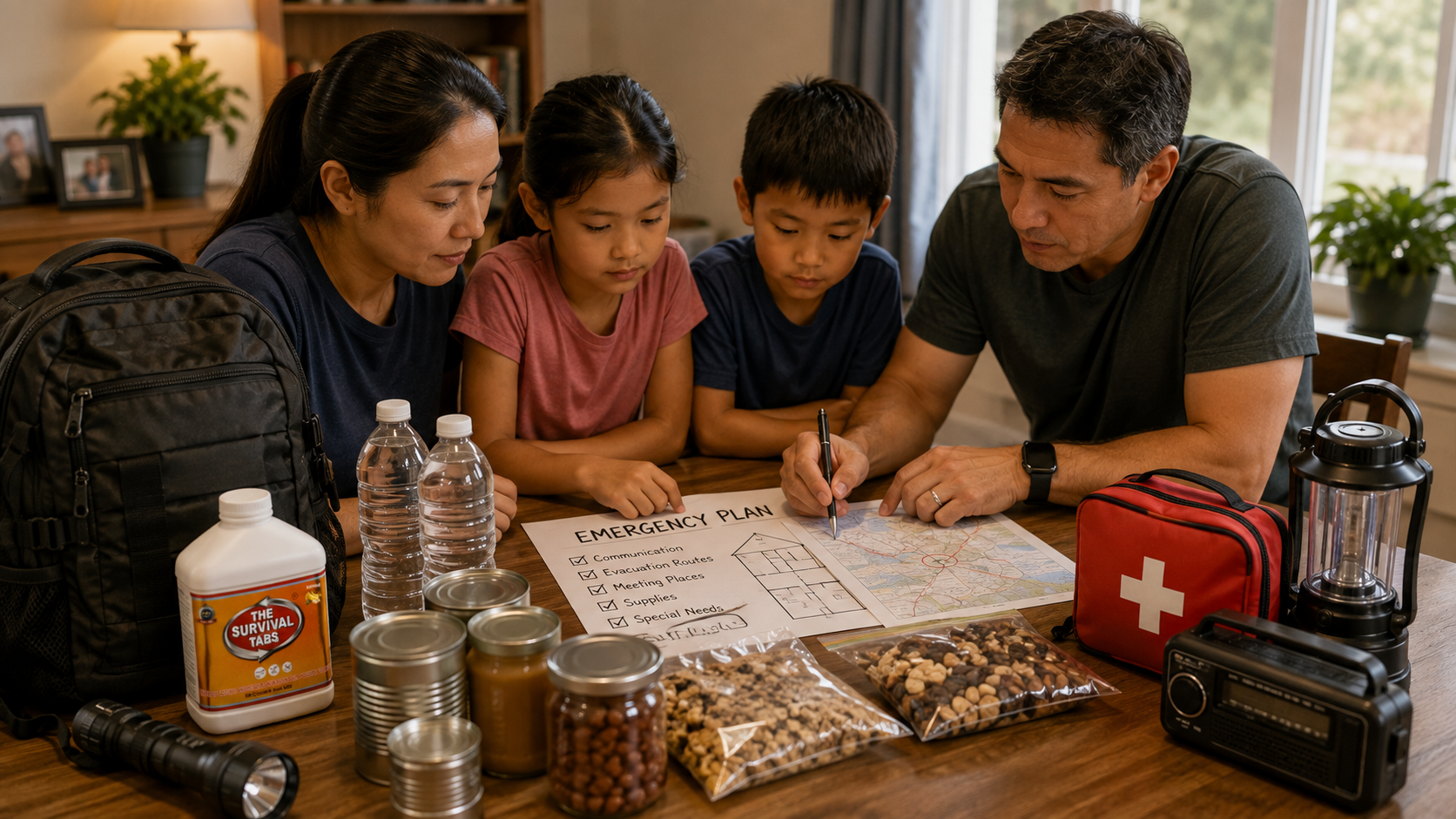
Emergency preparedness is not about expecting the worst. It is about making ordinary households more capable when ordinary systems stop working as expected. A severe storm, wildfire, flood, earthquake, extended power outage, evacuation order, water interruption, transportation shutdown, or medical emergency can quickly disrupt routines. A practical plan helps you protect the people who depend on you, make better decisions under pressure, and recover more quickly.
The strongest preparedness plans are simple enough to use, realistic enough to maintain, and flexible enough to work across more than one type of emergency. You do not need to buy everything at once or turn your home into a warehouse. Start with the risks most relevant to your location, cover basic needs, assign responsibilities, and improve the plan over time.
This guide walks through the essential parts of a complete household preparedness system: risk assessment, communication, evacuation, sheltering in place, water, food, first aid, power, sanitation, documents, special needs, and regular maintenance.
1. WHAT EMERGENCY PREPAREDNESS MEANSEmergency preparedness is the process of deciding in advance how your household will respond when normal services, transportation, communication, or access to supplies are interrupted.
A complete plan should answer five basic questions:• What emergencies are most likely where we live, work, study, and travel?• How will we receive reliable warnings and instructions?• How will household members contact one another if phone service is limited?• Where will we go if we must leave, and how will we manage if we must stay?• What supplies, documents, medications, skills, and backup systems do we need?
Preparedness works best in layers. The first layer is the ability to manage a short disruption lasting several hours. The next is a home supply that supports the household for several days. Additional layers may include evacuation bags, vehicle supplies, workplace kits, backup power, and longer-term reserves.
The goal is not to predict every detail. The goal is to reduce avoidable confusion.
2. ASSESS THE RISKS MOST LIKELY TO AFFECT YOUR HOUSEHOLDBegin with local reality rather than a generic checklist. A household near a coast may need to emphasize storms, flooding, and evacuation. A household in a wildfire region may need fast departure procedures and air-quality protection. In a cold climate, loss of heat can become the primary threat during a power outage. In an apartment building, stair access, elevators, and building-wide utilities may matter more than they do in a detached home.
Review risks in four categories: natural hazards, infrastructure failures, household emergencies, and community-wide events. Rank each risk by likelihood and impact, then build shared capabilities first: water storage, communication plans, medication records, flashlights, emergency food, and backup charging.
3. CREATE A HOUSEHOLD COMMUNICATION PLANCreate a written contact plan that includes household members, an out-of-area contact, school/workplace/caregiver/medical contacts, insurance and utility numbers, two meeting locations, a destination outside the immediate neighborhood, and important medical/accessibility information.
Teach everyone to send short text messages when possible. Keep printed contact cards because phones can fail or run out of power.
4. PLAN FOR EVACUATION AND SHELTERING IN PLACEIdentify at least two routes out of your neighborhood and several possible destinations. Keep the vehicle at a practical fuel level and carry a paper map. Prioritize people, medications, mobility equipment, identification, essential documents, communication devices, and prepared bags.
For sheltering in place, select an interior location appropriate to local hazards and keep water, food, a radio, lighting, sanitation supplies, pets, and necessary medications accessible. Know how to shut off utilities when instructed or when there is an immediate hazard.
5. BUILD WATER AND EMERGENCY FOOD SUPPLIESWater is a first priority. Store enough for drinking, food preparation, hygiene, and pets. Use food-safe containers, label storage dates, inspect for leakage or contamination, and add a backup treatment method.
Emergency food should be familiar, easy to prepare, and appropriate for the household. Prioritize foods requiring little or no cooking, minimal water, no refrigeration, manageable packaging, and compatibility with allergies or medical needs. Compact emergency rations can supplement a broader plan when space is limited or cooking is not possible, but they should not replace water, medical supplies, or a varied long-term food strategy.
6. PREPARE MEDICATIONS, FIRST AID, AND MEDICAL INFORMATIONMaintain a current list of prescriptions and dosages, allergies, diagnosed conditions, medical devices, physicians, pharmacies, emergency contacts, and insurance information. Ask healthcare providers and pharmacists how to plan responsibly for medication interruptions.
Training matters more than the size of the kit. Basic first aid and CPR skills are valuable. Emergency preparedness is not a substitute for professional medical care.
7. PLAN FOR POWER OUTAGES AND COMMUNICATION FAILURESUse several independent lighting options and keep portable power banks charged. Battery-powered or hand-crank radios can provide information when internet service is unavailable.
Generators create carbon-monoxide and electrical hazards. Operate them only outdoors, far from doors, windows, and vents, and follow manufacturer instructions. Never use grills, camp stoves, or fuel-burning devices inside enclosed areas.
8. SANITATION, HYGIENE, AND WASTE MANAGEMENTInclude supplies for hand cleaning, personal hygiene, waste containment, and surface cleaning. Separate drinking water from cleaning water and keep waste away from food preparation and living areas.
9. PROTECT IMPORTANT DOCUMENTS, CASH, AND INSURANCE INFORMATIONKeep copies of identification, insurance, medical information, property records, vehicle information, prescriptions, key account information, emergency contacts, and pet records in a waterproof portable container. Maintain secure digital backups where appropriate. A modest amount of small-denomination cash may be useful when electronic payments are unavailable.
10. PLAN FOR CHILDREN, OLDER ADULTS, DISABILITIES, PETS, AND SPECIAL NEEDSPreparedness must reflect the actual people and animals in the household. Include age-appropriate instructions for children, mobility and medication needs for older adults, backup mobility and communication supports for people with disabilities, and carriers, food, water, medication, and records for pets.
11. PREPARE FOR HOME, VEHICLE, WORKPLACE, AND TRAVELDo not keep every supply in one location. Maintain a larger home kit and smaller portable supplies for evacuation, vehicles, workplaces, and travel.
12. PRACTICE DRILLS AND MAINTAIN SUPPLIESPractice leaving the home, reaching meeting places, contacting the out-of-area person, locating and carrying evacuation bags, shutting off utilities when appropriate, and sheltering in the selected safe area.
Inspect supplies on a regular schedule. Rotate food and water, recharge batteries, update documents, replace expired items, test equipment, and adjust clothing for season and household changes.
13. COMMON PREPAREDNESS MISTAKESCommon mistakes include buying supplies without making a plan, focusing on dramatic scenarios while ignoring common disruptions, storing food but not water, relying on one device or one location, ignoring household-specific needs, making bags too heavy, and failing to rotate or inspect supplies.
14. A PRACTICAL 30-DAY ACTION PLANDays 1–5: identify local hazards, warning systems, evacuation zones, shelters, and utility shutoffs.Days 6–10: build the communication plan and print contact cards.Days 11–15: establish water and food basics and add a backup treatment option.Days 16–20: address medical and special needs.Days 21–25: add lighting, batteries, charging, a radio, sanitation supplies, documents, and evacuation bags.Days 26–30: run a short drill, correct problems, and set a recurring review date.
15. FREQUENTLY ASKED QUESTIONSHow long should a household be prepared to manage without normal services? Start with several days and expand according to local guidance, household needs, storage space, and risk.
What is the most important preparedness item? There is no single item that replaces a plan. Water, communication, medication continuity, and safe decision-making are core foundations.
Do I need a separate evacuation bag for every person? Each capable household member should have access to essential personal items, adjusted for age, mobility, and carrying ability.
Should emergency food require no cooking? At least part of the supply should be edible without cooking because power, fuel, water, or ventilation may be limited.
How often should supplies be reviewed? Review them on a recurring schedule and after major household changes; seasonal or twice-yearly reviews are practical for many households.
Where should emergency supplies be stored? In accessible, dry locations protected from temperature extremes, pests, chemicals, and flood risk; avoid putting every essential item in one place.
What should I do first if my budget is limited? Create the communication and evacuation plan first, then build water, food, medication continuity, lighting, and sanitation gradually.
FINAL PREPAREDNESS CHECKLIST• We know the emergencies most relevant to our area.• We receive local alerts and know where to find official instructions.• We have household and out-of-area contacts.• We have nearby and distant meeting locations.• We know evacuation routes and possible destinations.• We have a shelter-in-place plan.• We have water, emergency food, and a way to prepare or eat it safely.• We have medications, medical records, and first-aid supplies.• We have safe lighting, charging, and information options.• We have sanitation and hygiene supplies.• We have protected copies of important documents.• We have planned for children, older adults, disabilities, and pets.• We have supplies at home and smaller kits where needed.• We practice the plan and review supplies regularly.
CONCLUSIONPreparedness becomes manageable when it is treated as a household system rather than a one-time purchase. Learn the risks, decide how you will communicate, prepare to stay or leave, cover essential needs, and practice the plan. Build gradually, use what you maintain, and review it as your household changes.
A calm, practical plan cannot prevent every emergency, but it can reduce confusion, protect health, and give your household more options when normal routines are disrupted.