

Community Emergency Food Security Guide
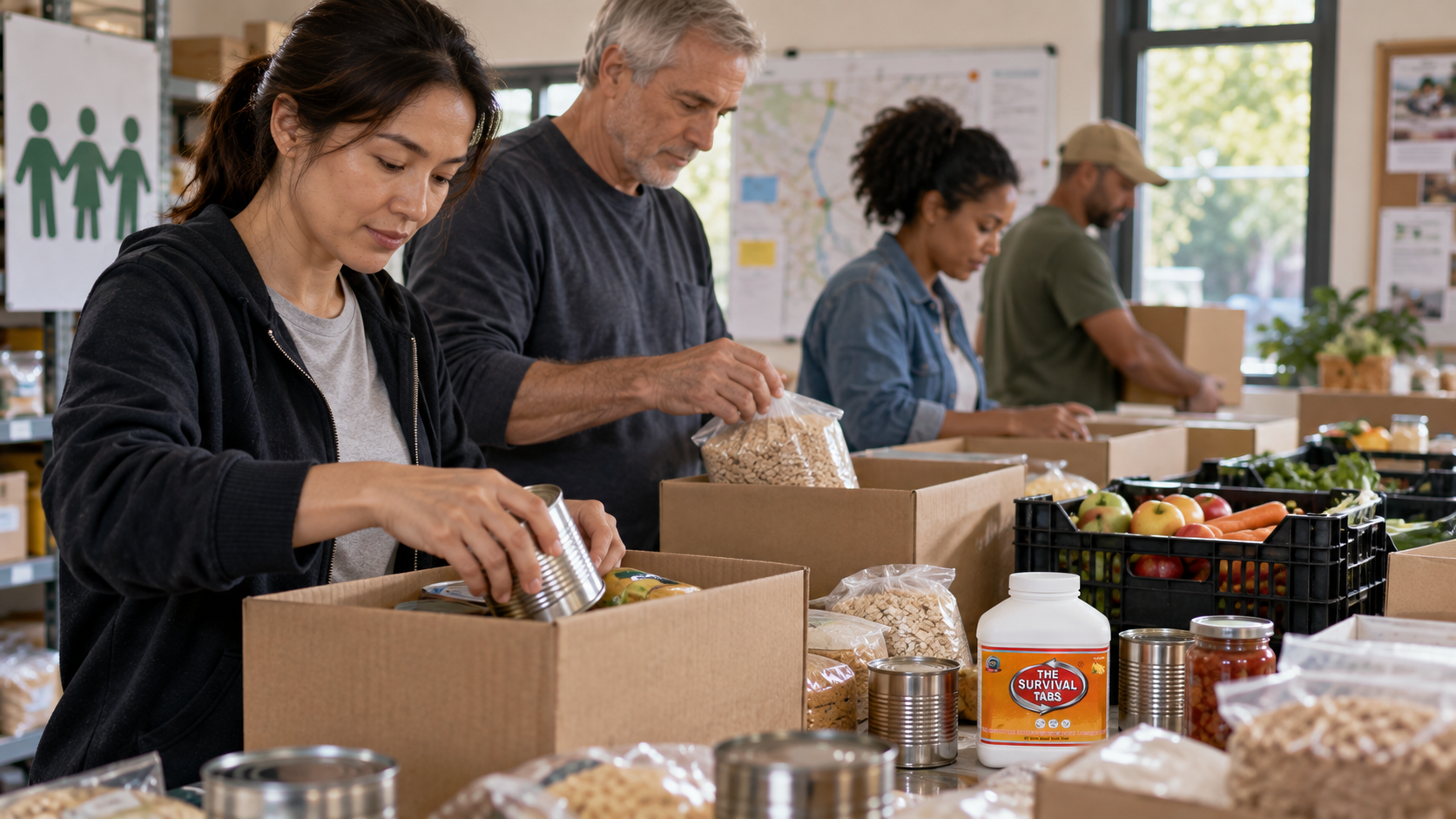
Community Emergency Food Security Guide
Community food security means maintaining fair, safe access to food before, during and after disruption. It depends on local institutions, trusted relationships and coordinated logistics—not on informal promises alone.
Map needs and resources
Identify food banks, schools, shelters, healthcare facilities, retailers, farms, transport, cold storage and populations needing accessible or specialized support. Protect personal information.
Coordinate authority
Work through emergency management, public health and established community organizations. Define who purchases, stores, transports and distributes food and how shortages or recalls are communicated.
Plan inclusive nutrition
Account for infants, older adults, allergies, disability, medical diets, religious and cultural needs and people without cooking facilities.
Protect food safety
Maintain temperature control, sanitation, pest management, lot tracking and safe water. Do not distribute food exposed to floodwater, unsafe temperatures or damaged packaging.
Build resilient supply
Diversify suppliers, practice alternate delivery routes and maintain agreements before emergencies. Survival Tabs might serve as one compact item only after nutrition, allergen, procurement and equity review; no single branded product is a community solution.