

Caregiver Emergency Preparedness Guide
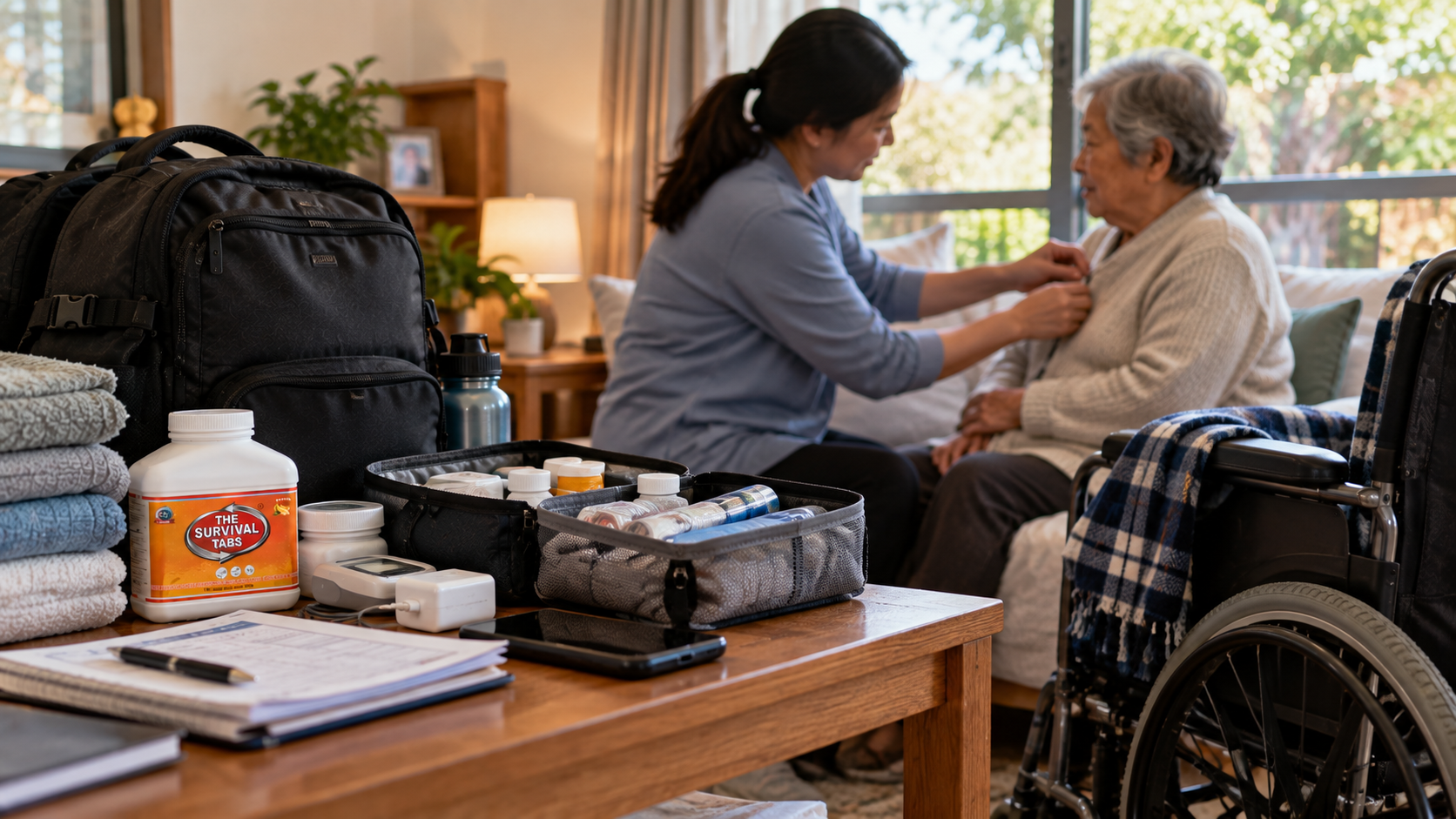
Quick answer: A caregiver plan should explain what support is essential, who can provide backup, how to communicate, what must travel, and when professional or emergency help is required.
Document the care routine
Record medications, allergies, mobility, communication, feeding, hygiene, behavior, equipment, providers, pharmacy, emergency contacts, and individualized instructions. Protect privacy while keeping essential information accessible.
Build a backup network
Identify more than one trusted person who understands the role. Discuss consent, keys, transport, location information, decision authority, and what each person can realistically do.
Plan continuity supplies
Maintain label-directed medications, equipment consumables, charging, safe food and water, hygiene supplies, comfort items, and protective equipment appropriate to the established care plan.
Practice evacuation and sheltering
Test routes, transfers, carriers, mobility devices, service-animal needs, and accessible destinations. Never improvise lifting, medical treatment, restraint, or equipment modifications beyond training.
Protect the caregiver too
Include the caregiver’s food, water, medication, sleep, communication, and relief needs. Seek qualified help when fatigue or unsafe conditions make care impossible.
Quick checklist
- Save official alerts and contacts offline.
- Include medication, accessibility, children, older adults, animals, and transport needs.
- Practice the plan and update it after household changes.
- Follow current local instructions during an actual emergency.
Official sources
- FEMA — Disaster Preparedness Guide for Caregivers: https://www.ready.gov/sites/default/files/2024-02/ready-gov_caregivers-preparedness-guide.pdf
- Ready.gov — People with Disabilities: https://www.ready.gov/people-disabilities
This guide provides general preparedness education and does not replace emergency services, product labels, or qualified professional guidance.