

Carbon Monoxide Safety During Power Outages
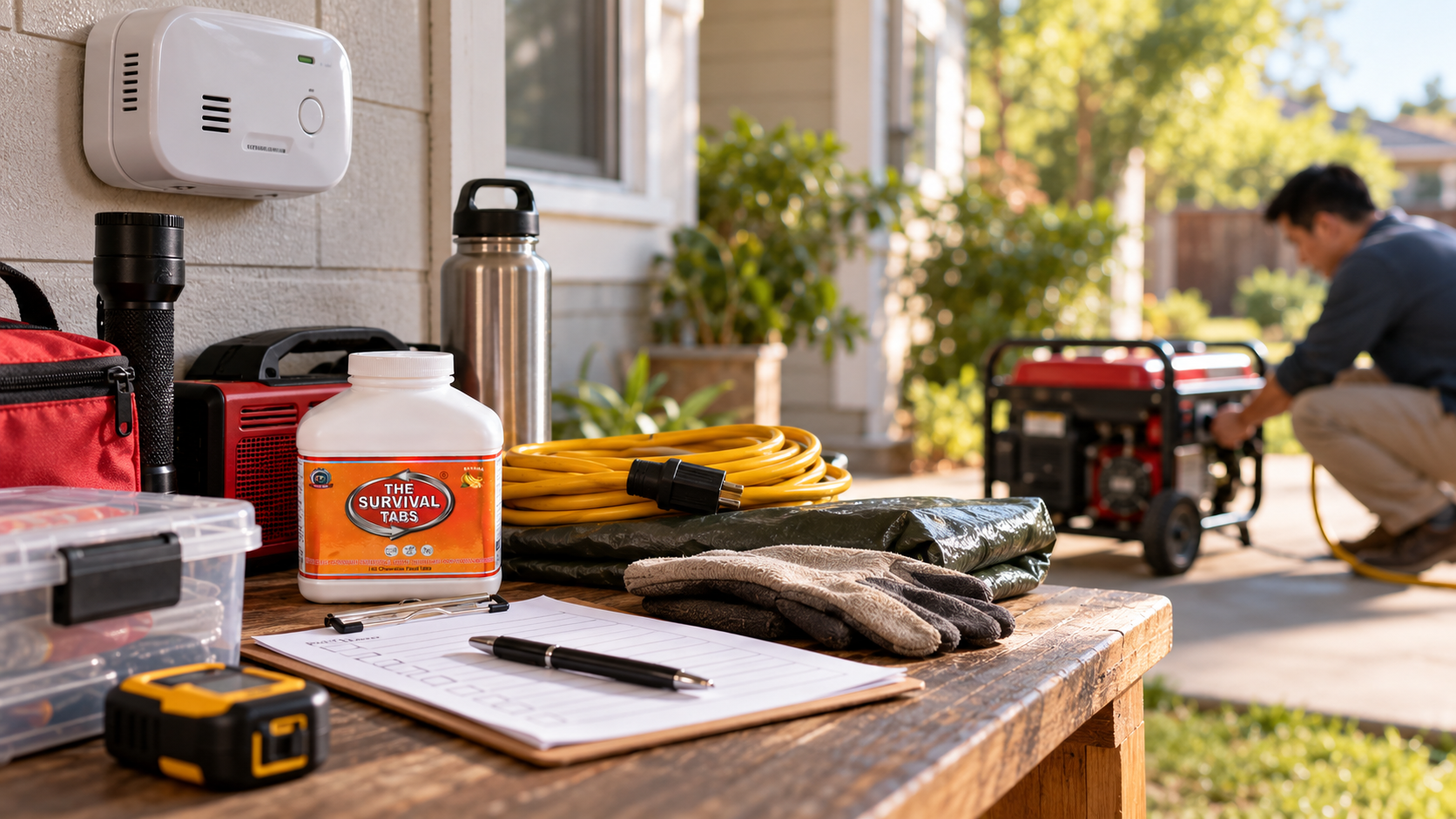
Prevent carbon monoxide exposure during outages with safer equipment placement, working alarms, and a clear response plan.
Why carbon monoxide becomes an outage hazard
Carbon monoxide (CO) is a colorless, odorless gas produced when fuel burns. During an outage, portable generators, grills, camp stoves, heaters, and vehicles can create a deadly buildup when used indoors or too close to openings. You cannot rely on smell or sight to detect it.
Prepare before the power fails
Install CO alarms according to the manufacturer’s directions and local code, including battery-powered or battery-backup protection. Test alarms regularly and replace batteries and units on schedule. Decide in advance where any portable generator can operate outdoors—at least 20 feet from doors, windows, and vents—with exhaust directed away from the building. Store fuel safely and never improvise indoor heating with an oven, grill, or camp stove.
Use fuel-burning equipment safely
Operate generators and other fuel-burning engines only outdoors, never in a home, basement, garage, carport, porch, or other enclosed or partly enclosed space. Opening doors or windows does not make these locations safe. Keep the equipment dry without enclosing it, follow its manual, and use correctly rated outdoor cords. Never run a vehicle inside an attached garage, even with the garage door open.
Respond to an alarm or symptoms
If a CO alarm sounds, or anyone develops headache, dizziness, weakness, nausea, chest pain, or confusion, move everyone—including pets—to fresh air immediately. Call 911 or the appropriate local emergency service from outside and do not reenter until responders say it is safe. Do not search for the source first.
Make the plan usable
Place a flashlight, emergency contacts, and an outage checklist near your kit. Ensure children, guests, and caregivers know that flames and engines stay outside. People who depend on powered medical equipment should also maintain a separate backup-power and relocation plan.
Sources
CDC, “Safety Guidelines: Reentering Your Flooded Home” (cdc.gov/floods); Ready.gov, “Power Outages” and emergency preparedness guidance (ready.gov).
Quick checklist
- Learn the local hazard and official alert channels.
- Choose safe actions, routes, and backup options before an emergency.
- Keep essential supplies accessible and review the plan with everyone involved.
- Follow current instructions from emergency and public-health authorities.
Frequently asked questions
How often should I review this plan?
Review it at least twice a year and after a move, household change, major equipment change, or local emergency.
Should official instructions override this guide?
Yes. Conditions vary, so current directions from emergency responders, utilities, public-health agencies, and local authorities take priority.