

Car Camping Safety and Preparedness Guide
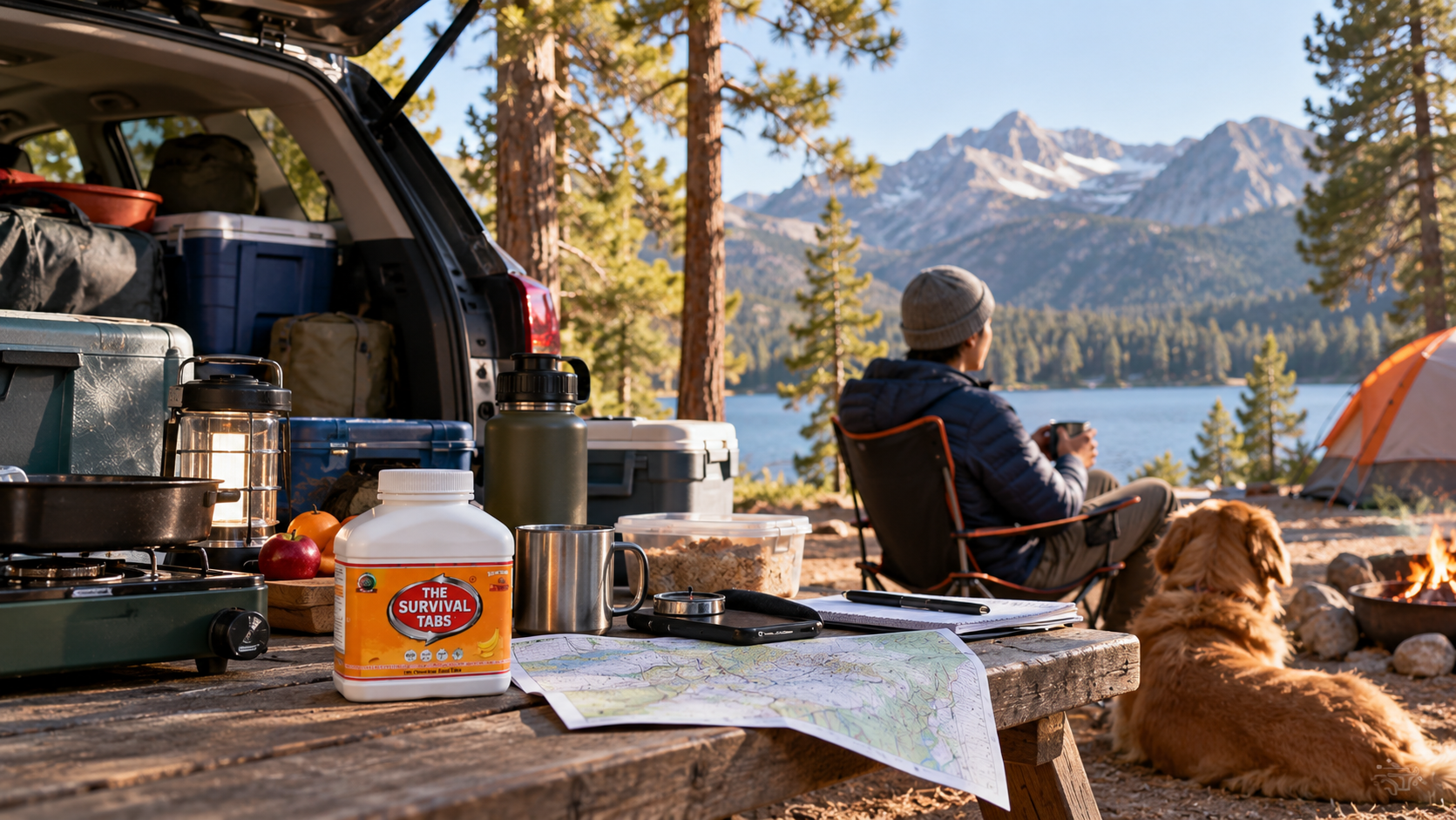
Car Camping Safety and Preparedness Guide
Car camping combines road travel, outdoor living and vehicle storage. Plan the route, campsite rules, weather, communication, food safety and an exit option before leaving coverage.
Choose a legal site
Use permitted campsites or locations where overnight parking is explicitly allowed. Check fire restrictions, wildlife rules, weather closures and local hazards.
Vehicle and communication
Maintain fuel, tires, battery and fluids. Tell a trusted person the route and return time. Carry maps, charging, lighting, first aid and seasonal clothing.
Never sleep with unsafe combustion
Do not run stoves, grills, generators or unapproved fuel-burning heaters in the vehicle, tent, camper or enclosed shelter. Carbon monoxide is odorless and can be fatal.
Food, water and wildlife
Bring safe water and store food according to local wildlife rules. Control cooler temperature and cross-contamination. Never leave food or scented items where they attract animals.
Heat and cold
Vehicle interiors can become dangerous quickly. Do not treat a parked car as automatically safe shelter in extreme heat or cold. Change plans when conditions exceed equipment and experience.
Backup nutrition
Survival Tabs may provide compact no-cook reserve food, but they do not replace adequate water, calories, route planning, weather protection or emergency communication.