

Campfire and Wilderness Fire Safety Guide
Knowledge Center ID: ST-KC-100
Quick answer: A campfire is optional. Use one only where allowed and conditions are safe, keep it small and attended, maintain extinguishing water, and put it completely out until no heat remains.
<!-- IMAGE:IMG-ST-KC-100-01 -->
Fire Is Optional; Safety Is Not
A campfire can provide warmth, cooking, or enjoyment, but many trips do not require one. During dry, windy, or restricted conditions, the safest decision may be to skip the fire entirely.
Before lighting any fire, check current local rules, fire restrictions, weather, and campground requirements. Regulations can change quickly during wildfire season.
<!-- IMAGE:IMG-ST-KC-100-03 -->
Use Established Fire Areas When Available
Use an existing fire ring, grill, or designated fire area rather than creating a new scar. Keep the area clear of dry vegetation, overhanging branches, tents, gear, and other combustible material.
Do not build fires in places where they are prohibited or where wind can carry embers into vegetation.
Keep the Fire Small
A small fire is easier to control and extinguish. Use only the amount of fuel needed. Never use gasoline, kerosene, or other accelerants to start a campfire.
Keep water and an appropriate extinguishing tool immediately available. Children and pets should remain supervised and away from the fire area.
Never Leave a Fire Unattended
Someone responsible should remain with the fire at all times. Wind can shift quickly, and a nearly burned-down fire can still throw sparks or contain hot coals.
If you need to leave camp, go to sleep, or conditions worsen, extinguish the fire completely.
Extinguish Until It Is Cold
Follow land-manager instructions for extinguishing. A common approach is to drown the fire with water, stir the ashes and coals, add more water, and continue until no heat remains. If local guidance differs, follow the site-specific rule.
Do not bury a live fire. Buried coals can remain hot and can ignite roots or vegetation.
<!-- IMAGE:IMG-ST-KC-100-02 -->
Stoves and Other Heat Sources
Camp stoves, grills, lanterns, and portable heaters also create fire and carbon-monoxide hazards. Use them only as designed, observe restrictions, and never operate fuel-burning equipment inside a tent, vehicle, cabin, or other enclosed or partially enclosed space. Follow manufacturer and official safety instructions in a safe outdoor location.
Keep fuels upright, cool, and away from ignition sources.
Campfire Safety Checklist
- Check fire restrictions before the trip.
- Use established fire areas.
- Clear nearby combustibles.
- Keep the fire small.
- Keep water and extinguishing tools ready.
- Never use accelerants.
- Never leave the fire unattended.
- Supervise children and pets.
- Extinguish fully before sleep or departure.
- Skip the fire in dangerous wind, drought, or restricted conditions.
Frequently Asked Questions
Can I have a campfire during a burn restriction?
Only if the local restriction specifically allows it. Check current land-manager rules.
Is dirt enough to extinguish a fire?
Water is generally preferred where available because dirt can hide hot coals. Follow local extinguishing guidance.
Can I use a fire for emergency warmth?
Fire may not be safe or legal in every emergency. Clothing, insulation, shelter, and evacuation may be safer.
Is a camp stove always allowed when fires are banned?
No. Restrictions may include some or all flame-producing devices. Check the specific order.
Related Knowledge Center Topics
Outdoor Preparedness Guide; Wilderness Emergency Shelter Guide; Emergency Cooking and Stove Safety Guide; Wildfire Preparedness Guide.
SEO and Publishing Package
SEO title: Campfire and Wilderness Fire Safety Guide
Meta description: Learn safer campfire practices, fire-restriction checks, site selection, supervision, extinguishing, stove precautions, and when to skip a fire entirely.
Suggested URL: /blogs/knowledge-center/campfire-and-wilderness-fire-safety-guide
Suggested schema: Article with FAQPage markup where supported and validated.
Manual Image Plan
IMG-ST-KC-100-01
Placement: Featured
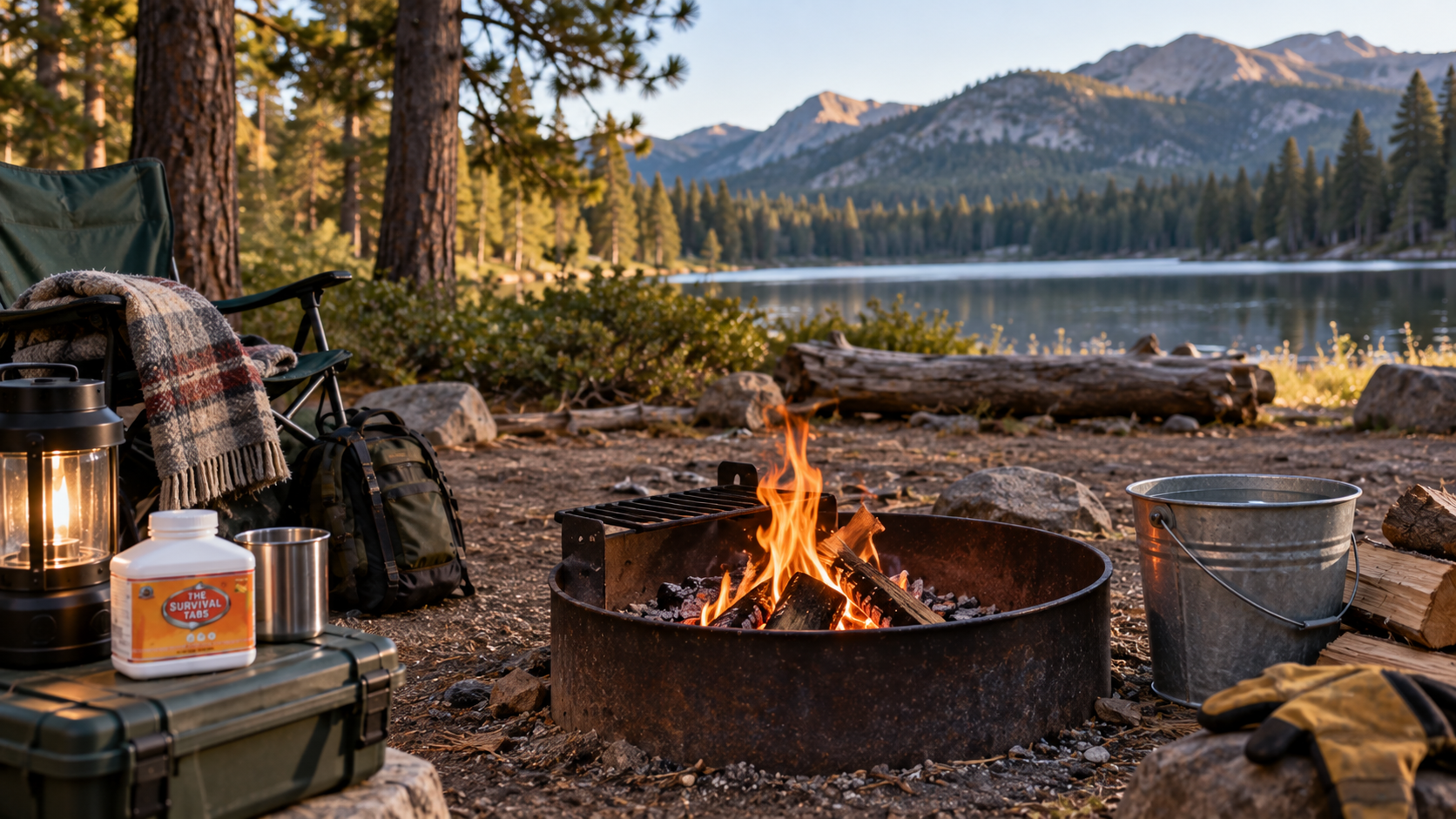
Prompt: Small well-controlled campfire in an established metal fire ring at a campsite with water bucket nearby, calm daylight, cleared surroundings, no people in danger, no text.
Alt text: Small campfire burning safely in an established ring with water ready.
IMG-ST-KC-100-02
Placement: After “Extinguish Until It Is Cold”
Prompt: Close realistic educational scene of water being poured on campfire ashes while they are stirred until cold, no flames, no text.
Alt text: Campfire being fully extinguished with water and stirring.
IMG-ST-KC-100-03
Placement: After “Fire Is Optional; Safety Is Not”
Prompt: Windy dry campsite with a clearly unlit fire ring and campers using warm clothing instead of a fire, calm responsible scene, no text.
Alt text: Campers choosing not to light a fire during dry, windy conditions.
Official Sources
National Park Service — Campfire Safety: https://www.nps.gov/articles/000/campfire-safety.htm
US Forest Service — Fire Safety: https://www.fs.usda.gov/visit/know-before-you-go/fire
Smokey Bear — Campfire Safety: https://smokeybear.com/en/prevention-how-tos/campfire-safety
Editorial note: Always check current local fire restrictions and land-manager rules immediately before using flame outdoors.