Building Your Dream Floating House: A Guide for Adventurous Homeowners
Are you ready to take the plunge and build a home that truly floats your boat? Building a floating house is an exciting venture that combines the comforts of land-based living with the unique experience of life on the water. Here's what you need to know to get started:

Foundation: The Key to Staying Afloat
The heart of any floating home is its buoyant foundation:
- Concrete Floats: Modern floating homes use concrete floats filled with Styrofoam or air-filled cavities[1].
- Displacement Principle: The house stays afloat by displacing water, much like a boat[1].
- Weight Distribution: Careful planning is crucial to ensure even weight distribution and prevent listing[3].
Construction Challenges
Building on water presents unique challenges:
- Tools and Techniques: Traditional building tools like plumb bobs and levels are ineffective on a constantly moving surface[1].
- Weight Considerations: Every pound matters when building on water. Plan your materials and furnishings carefully[1][3].
- Weather Resistance: Your home must withstand not just rain, but constant exposure to water and potentially harsh marine conditions.

Design and Materials
- Lightweight Materials: Consider using LVLs (Laminated Veneer Lumber) for framing instead of traditional lumber for added strength and reduced weight[5].
- Flexible Design: Incorporate elements that can adapt to the movement of water, such as flexible utility connections.
- Weather-Resistant Exteriors: Choose materials that can withstand constant exposure to moisture and potentially salt water.
Utilities and Systems
- Waste Management: Plan for specialized systems to handle gray water and wastewater, possibly including incineration systems[3].
- Utility Connections: Design flexible connections for water, sewer, and electricity that can accommodate the home's movement[6].

Legal and Regulatory Considerations
- Local Regulations: Check with local authorities about zoning laws and building codes specific to floating structures[3].
- Environmental Impact: Ensure your design minimizes impact on the aquatic environment.
- Registration: You may need to register your floating home with appropriate authorities, such as Transport Canada[3].
Additional Considerations
- Snow Load: If building in colder climates, factor in the weight of potential snow accumulation[3].
- Future Expansion: Consider designing your float to accommodate potential additions or changes in the future[3].
- Anchoring System: Develop a robust anchoring system that can adapt to changing water levels[2].

Building a floating house is a unique challenge that requires careful planning, specialized knowledge, and a sense of adventure. While it may seem daunting, the result is a truly one-of-a-kind home that offers unparalleled connection to the water. Remember to work with experienced professionals, including marine engineers and specialized builders, to ensure your floating dream home is safe, stable, and built to last.
#FloatingHouse #WaterfrontLiving #UniqueHomes #SustainableDesign #MarineArchitecture #FloatingArchitecture #WaterHomes #InnovativeHousing
 |
 |
 |
 |
 |
|
|---|---|---|---|---|---|
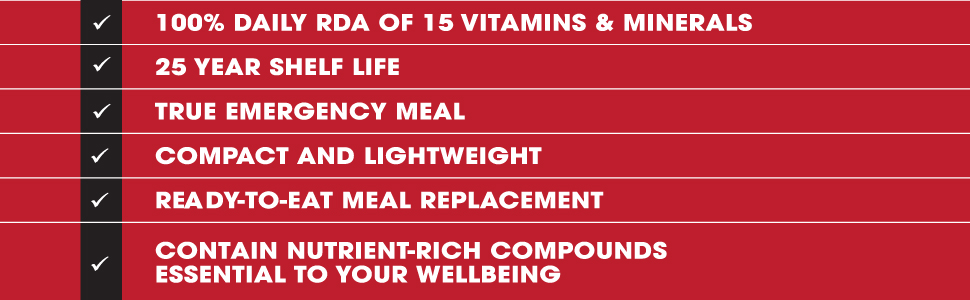
| 720 Tabs Emergency Food Survival Gluten Free and Non-GMO 25 Years Shelf Life | Food Supply 96 Tabs Emergency Food Replacement Disaster Preparedness | Ultimate Preparedness Emergency Food Supply 25 year shelf life | Emergency Food Ration Survival MREs Food Replacement | Emergency Food Survival Food Meal Replacement MREs Gluten Free and Non-GMO | |
| Day Serving | 60 days | 8 days | 120 days | 15 days | 2 days |
| Shelf-Life | 25 years | 25 years | 25 years | 25 years | 25 years |
| Non-GMO | ✓ | ✓ | ✓ | ✓ | ✓ |
| Gluten Free | ✓ | ✓ | ✓ | ✓ | ✓ |
| Tabs Amount | 720 | 96 | 1440 | 180 | 24 |