Building and Operating a Safe, Efficient Gasifier: A Comprehensive Guide
Gasifiers offer an innovative way to convert biomass into usable fuel, but they require careful construction and operation to ensure safety and efficiency. Let's explore the key aspects of building and running a gasifier.
Key Components for Building a Gasifier
A basic gasifier consists of several essential parts:
1. Reactor vessel (typically a metal drum)
2. Grate for holding biomass
3. Air inlet system
4. Cyclone filter for particulate removal
5. Cooling system (pipes or heat exchanger)
6. Gas outlet with valves
Additional components may include a fuel hopper, ash cleanout port, and ignition system.
#GasifierComponents #DIYEnergy #AlternativeFuel
Ensuring Efficient Gasifier Operation
To maximize efficiency:
1. Maintain proper air-to-fuel ratio
2. Use dry, uniformly sized fuel
3. Ensure good insulation of the reactor
4. Regularly clean filters and remove ash
5. Monitor and adjust operating temperatures
Efficiency is key to producing high-quality syngas for your intended application.
#GasifierEfficiency #BiomassEnergy #SyngasProduction
Best Fuels for Gasifiers
While gasifiers can use various biomass fuels, some perform better than others:
1. Wood chips or pellets
2. Agricultural waste (corn cobs, nut shells)
3. Charcoal (for cleaner gas production)
Avoid treated wood or materials containing plastics or other synthetics.
#BiomassFuel #CleanEnergy #SustainableFuel
Improving Gasifier Performance
To enhance your gasifier's output:
1. Optimize fuel moisture content (typically 10-20%)
2. Improve gas filtration and cooling systems
3. Implement automated controls for air and fuel feed
4. Use high-quality, consistent fuel sources
5. Regular maintenance and cleaning
Continuous monitoring and adjustment are key to peak performance.
#GasifierOptimization #EnergyEfficiency #AlternativePower
Critical Safety Precautions
Safety is paramount when working with gasifiers:
1. Always operate outdoors or in well-ventilated areas
2. Install carbon monoxide detectors in any enclosed spaces
3. Use proper personal protective equipment (gloves, safety glasses)
4. Implement proper gas sealing to prevent leaks
5. Install safety valves and pressure relief systems
6. Never operate an untested system unattended
Remember, gasifiers produce carbon monoxide, which is extremely toxic[1][2].
#SafetyFirst #GasifierSafety #CarbonMonoxideAwareness
Additional Considerations
- Gasifier design should include puff-back lids and flashback arrestors to safely vent any potential explosions[3].
- The startup process is critical and should follow a rigorous procedure to ensure safe operation[2].
- Regular inspection and maintenance of all components, especially seals and welds, is crucial for safe operation[1][4].
Building and operating a gasifier can be a rewarding project for those interested in alternative energy. However, it requires a thorough understanding of the principles involved and a strong commitment to safety. Always consult expert advice and follow local regulations when undertaking such a project.
#DIYEnergy #AlternativeFuel #SustainableEnergy #GasifierTechnology
 |
 |
 |
 |
 |
|
|---|---|---|---|---|---|
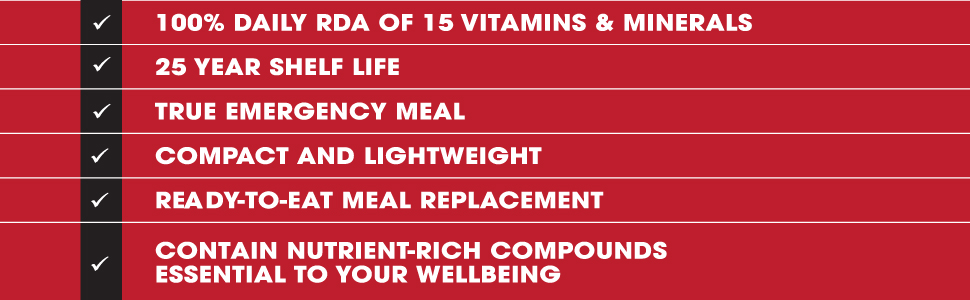
| 720 Tabs Emergency Food Survival Gluten Free and Non-GMO 25 Years Shelf Life | Food Supply 96 Tabs Emergency Food Replacement Disaster Preparedness | Ultimate Preparedness Emergency Food Supply 25 year shelf life | Emergency Food Ration Survival MREs Food Replacement | Emergency Food Survival Food Meal Replacement MREs Gluten Free and Non-GMO | |
| Day Serving | 60 days | 8 days | 120 days | 15 days | 2 days |
| Shelf-Life | 25 years | 25 years | 25 years | 25 years | 25 years |
| Non-GMO | ✓ | ✓ | ✓ | ✓ | ✓ |
| Gluten Free | ✓ | ✓ | ✓ | ✓ | ✓ |
| Tabs Amount | 720 | 96 | 1440 | 180 | 24 |