Best Techniques for Spearfishing in Different Water Conditions

Spearfishing can vary significantly based on water conditions. Here are some effective techniques tailored to different environments:
1. Clear Water:
- Use a longer spear or speargun for better reach.
- Dive deeper to avoid surface disturbances and increase visibility.
- Approach slowly and quietly to avoid spooking fish.
2. Murky Water:
- Utilize bright-colored or reflective spears to enhance visibility.
- Fish closer to the bottom where visibility may be slightly better.
- Use sound to locate fish, as they may be more reliant on vibrations.
3. Strong Currents:
- Anchor yourself using a weight belt or hold onto rocks to stabilize.
- Approach from upstream to get closer to fish without being swept away.
- Use a shorter spear for quick shots while maintaining control.
4. Shallow Water:
- Stay low and use natural cover like rocks or reefs to hide your silhouette.
- Move slowly and avoid kicking up sediment that may scare fish away.
5. Reef Areas:
- Identify ambush points where fish are likely to hide.
- Use stealth and patience; remain motionless to blend in with the environment.
Improving Accuracy with a Bow and Arrow for Fishing
To enhance your accuracy when bowfishing, consider the following tips:
1. Understanding Refraction: Water bends light, making fish appear higher or closer than they are. Aim slightly lower than your target to compensate for this optical illusion.
2. Practice Regularly: Spend time shooting at stationary targets both above and below water to get accustomed to the angles.
3. Proper Form: Maintain a relaxed grip on your bow, draw smoothly, and focus on your target throughout the shot process.
4. Follow-Through: After releasing the arrow, keep your bow up and maintain your sight picture until the arrow hits the target.
5. Adjust Equipment: Ensure your bow is properly tuned, and consider lighter arrows with barbed tips designed specifically for bowfishing.
Essential Tools Needed for Skinning and Cleaning Fish
Having the right tools makes skinning and cleaning fish easier and more efficient:
1. Sharp Fillet Knife: Essential for making precise cuts and filleting fish cleanly.
2. Scaling Tool or Knife: Helps remove scales without damaging the flesh.
3. Gutting Tool: A specialized knife for removing internal organs cleanly.
4. Cutting Board: Provides a stable surface for cleaning fish.
5. Tweezers or Pliers: Useful for removing small bones from fillets.
Ensuring Fish Stays Fresh for Long-Term Food Supply
To keep fish fresh for an extended period:
1. Immediate Cooling: Place caught fish on ice as soon as possible to lower their temperature quickly.
2. Gutting Quickly: Remove internal organs immediately after catching; this helps prevent spoilage.
3. Proper Storage: Store cleaned fish in airtight bags or containers, preferably on ice or in a cooler if refrigeration isn’t available.
Best Methods for Preserving Fish Without Refrigeration
When refrigeration isn’t an option, consider these preservation methods:
1. Canning: Pressure canning is an effective way to preserve fish long-term without refrigeration.
2. Smoking: Smoke fish over wood chips; this method adds flavor while drying out moisture that promotes spoilage.
3. Salting: Coat fish in salt to draw out moisture, then store in a cool, dry place; this method can extend shelf life significantly.
4. Drying: Dehydrate fish using sunlight or an oven; ensure they are completely dry before storage in airtight containers.
By mastering these techniques, you can successfully catch, prepare, and preserve fish for both immediate consumption and long-term survival needs.
#Spearfishing #BowFishing #FishCleaning #SurvivalSkills #EmergencyFood #FishingTechniques #OutdoorCooking
 |
 |
 |
 |
 |
|
|---|---|---|---|---|---|
| 720 Tabs Emergency Food Survival Gluten Free and Non-GMO 25 Years Shelf Life | Food Supply 96 Tabs Emergency Food Replacement Disaster Preparedness | Ultimate Preparedness Emergency Food Supply 25 year shelf life | Emergency Food Ration Survival MREs Food Replacement | Emergency Food Survival Food Meal Replacement MREs Gluten Free and Non-GMO | |
| Day Serving | 60 days | 8 days | 120 days | 15 days | 2 days |
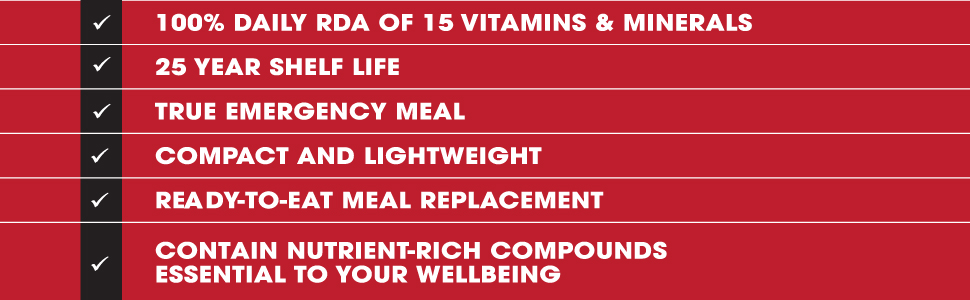
| Shelf-Life | 25 years | 25 years | 25 years | 25 years | 25 years |
| Non-GMO | ✓ | ✓ | ✓ | ✓ | ✓ |
| Gluten Free | ✓ | ✓ | ✓ | ✓ | ✓ |
| Tabs Amount | 720 | 96 | 1440 | 180 | 24 |