

Best Strategies for Preparing for Hurricanes
Preparing for hurricanes requires a comprehensive approach, encompassing pre-storm preparations, safety measures during the storm, and recovery strategies post-storm. Here’s a detailed guide to help you stay safe and protect your home and family.

Best Strategies for Preparing for Hurricanes
Create a Hurricane Preparedness Kit: Assemble a kit with essential supplies to last at least three days. This should include:
 Staying Safe During a Hurricane
 Key Components of a Hurricane Preparedness Kit


Best Strategies for Preparing for Hurricanes
Create a Hurricane Preparedness Kit: Assemble a kit with essential supplies to last at least three days. This should include:
- Non-perishable food items like canned goods, granola bars, and peanut butter[4].
- Bottled water, with at least one gallon per person per day[4].
- First aid supplies, medications, and personal hygiene items.
- Flashlights, extra batteries, and a battery-powered radio[1][2].
- Develop an Evacuation Plan: Know your evacuation routes and have a plan for where you will go if you need to leave your home. This includes identifying local shelters and having a communication plan with family members[2].
- Secure Your Home: Protect your property by installing storm shutters, reinforcing garage doors, and securing outdoor items like lawn furniture[2]. Trim trees and shrubs to minimize the risk of debris.
- Stay Informed: Sign up for local emergency alerts and monitor weather updates from reliable sources. This will help you make timely decisions about evacuation and other safety measures[3].
- Shelter in Place: If you're not in an evacuation zone, stay indoors in a safe area of your home, such as an interior room or basement, away from windows and doors[1][3].
- Use a Portable Radio: Keep a battery-powered radio on hand to receive updates and instructions from local authorities[3].
- Avoid Floodwaters: Do not attempt to walk or drive through flooded areas. Floodwaters can be deeper and more dangerous than they appear[1].
- Operate Generators Safely: If using a generator, ensure it is placed outside and away from windows to prevent carbon monoxide poisoning. Follow all safety instructions provided by the manufacturer[1][5].
- Wait for Official Clearance: Do not return home until local officials have declared it safe. This helps avoid hazards like downed power lines and contaminated floodwaters[2][3].
- Inspect Your Home: Once it’s safe to return, assess your home for damage. Take photos for insurance claims and begin temporary repairs to prevent further damage[3].
- Avoid Contaminated Water: Do not use tap water until it is declared safe by authorities. Boil water if necessary, and avoid consuming food that has come into contact with floodwater[2].
- Emotional and Physical Health: Recovery is not just about physical repairs. Ensure you and your family are taking care of your mental health by seeking support if needed. Maintain a healthy diet and get adequate rest to manage stress[2].
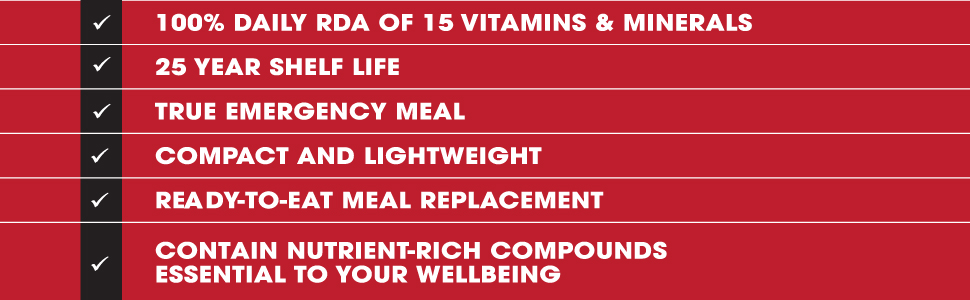
- Food and Water: Stock up on non-perishable food and bottled water. Consider foods that require no cooking, like The Survival Tabs, such as canned soups, dried fruits, and crackers[4].
- Medical Supplies: Include a first aid kit, prescription medications, and any necessary medical equipment.
- Tools and Safety Items: Flashlights, batteries, a multi-tool, and a whistle for signaling help.
- Personal Items: Hygiene products, extra clothing, and blankets.
- Communication Devices: A battery-powered radio and a fully charged power bank for your phone[2].
- Reinforce Windows and Doors: Install storm shutters or use plywood to protect glass from flying debris[2].
- Secure Outdoor Items: Bring in outdoor furniture, decorations, and anything else that could become a projectile during high winds[2].
- Maintain Your Roof and Gutters: Ensure your roof is in good condition and clean gutters to prevent water damage.
- Install Surge Protectors: Protect your home’s electrical system from power surges caused by lightning or downed power lines.
What to Do If You Lose Power During a Hurricane
- Report the Outage: Contact your utility company to report the outage and receive updates on restoration efforts[5][6].
- Unplug Electronics: Disconnect appliances and electronics to prevent damage from power surges when electricity is restored[6].
- Preserve Food: Keep refrigerator and freezer doors closed to maintain cold temperatures as long as possible. Use perishable food first and have a supply of non-perishable items ready[6].
- Use Generators Wisely: Follow safety guidelines for generator use, ensuring proper ventilation to avoid carbon monoxide buildup[5]
By following these strategies and preparing thoroughly, you can significantly reduce the risks associated with hurricanes and ensure the safety and well-being of your family and home. Remember, preparation is key to resilience in the face of natural disasters. Stay informed, stay safe, and take proactive steps to protect what matters most. #HurricanePreparedness #StaySafe #EmergencyKit #HomeSafety #PowerOutageTips
[2] https://www.redcross.org/get-help/how-to-prepare-for-emergencies/types-of-emergencies/hurricane.html
[6] https://www.constellation.com/energy-101/weather-preparedness/what-to-do-when-power-goes-out.html
***Statements regarding dietary supplements have not been evaluated by the FDA and are not intended to diagnose, treat, cure, or prevent any disease or health condition.***
 |
 |
 |
 |
 |
|
|---|---|---|---|---|---|
| 720 Tabs Emergency Food Survival Gluten Free and Non-GMO 25 Years Shelf Life | Food Supply 96 Tabs Emergency Food Replacement Disaster Preparedness | Ultimate Preparedness Emergency Food Supply 25 year shelf life | Emergency Food Ration Survival MREs Food Replacement | Emergency Food Survival Food Meal Replacement MREs Gluten Free and Non-GMO | |
| Day Serving | 60 days | 8 days | 120 days | 15 days | 2 days |
| Shelf-Life | 25 years | 25 years | 25 years | 25 years | 25 years |
| Non-GMO | ✓ | ✓ | ✓ | ✓ | ✓ |
| Gluten Free | ✓ | ✓ | ✓ | ✓ | ✓ |
| Tabs Amount | 720 | 96 | 1440 | 180 | 24 |