Best practices in emergency communication
1. Ensuring accurate information dissemination during an emergency:
- Establish a clear chain of command and approval process for communications
- Use pre-approved message templates that can be quickly customized
- Verify information with multiple sources before releasing
- Designate official spokespersons and channels
- Monitor and quickly correct any misinformation
2. Key components of a successful emergency communication plan:
- Clear goals and objectives
- Defined roles and responsibilities
- Identified target audiences
- Multiple communication channels (social media, text, email, etc.)
- Pre-approved message templates
- Activation criteria and protocols
- Regular training and exercises
3. Training team members on social media use during a crisis:
- Educate on organization's social media policies and brand voice
- Practice using social platforms in simulated crisis scenarios
- Train on monitoring tools and responding to public inquiries
- Emphasize importance of accuracy and approval processes
- Review case studies of successful/unsuccessful crisis social media use
4. Common pitfalls to avoid in emergency communication planning:
- Failing to update plans regularly
- Not conducting frequent drills/exercises
- Overlooking internal communication needs
- Relying on a single communication channel
- Neglecting to coordinate with partner organizations
- Using overly technical language
5. Measuring effectiveness of emergency communication plans:
- Track message reach and engagement metrics
- Conduct post-incident surveys with stakeholders
- Analyze response times and information accuracy
- Review media coverage sentiment
- Assess achievement of communication objectives
- Gather feedback from team members and partners
The key is to have a comprehensive, well-practiced plan that allows for quick and accurate information dissemination across multiple channels, while remaining flexible enough to adapt to evolving situations. Regular training, updates, and performance measurement are crucial for continuous improvement.
Citations:


***Statements regarding dietary supplements have not been evaluated by the FDA and are not intended to diagnose, treat, cure, or prevent any disease or health condition.***
 |
 |
 |
 |
 |
|
|---|---|---|---|---|---|
| 720 Tabs Emergency Food Survival Gluten Free and Non-GMO 25 Years Shelf Life | Food Supply 96 Tabs Emergency Food Replacement Disaster Preparedness | Ultimate Preparedness Emergency Food Supply 25 year shelf life | Emergency Food Ration Survival MREs Food Replacement | Emergency Food Survival Food Meal Replacement MREs Gluten Free and Non-GMO | |
| Day Serving | 60 days | 8 days | 120 days | 15 days | 2 days |
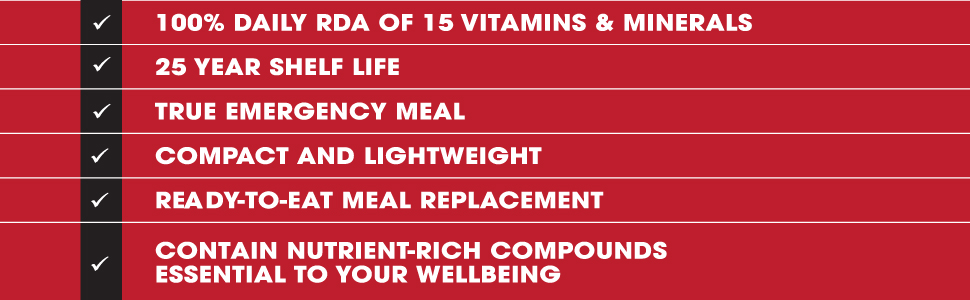
| Shelf-Life | 25 years | 25 years | 25 years | 25 years | 25 years |
| Non-GMO | ✓ | ✓ | ✓ | ✓ | ✓ |
| Gluten Free | ✓ | ✓ | ✓ | ✓ | ✓ |
| Tabs Amount | 720 | 96 | 1440 | 180 | 24 |