Best Practices for Storing Survival Tabs in a Log Cabin
When storing Survival Tabs in your log cabin, consider these best practices:
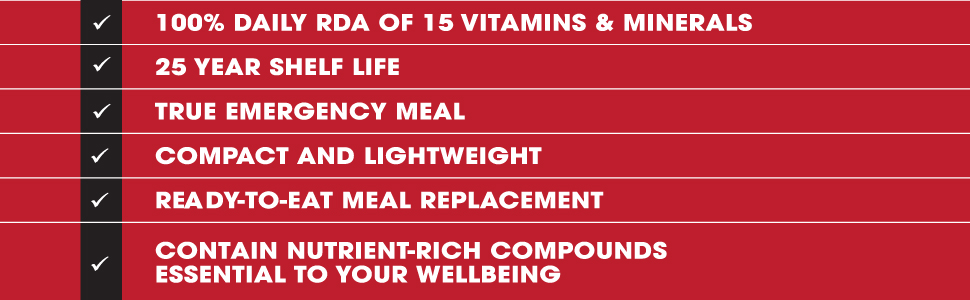
1. Choose a cool, dry location to maximize the 25-year shelf life[1].
2. Use airtight containers to protect from moisture and air exposure[1].
3. Store in multiple locations throughout your cabin for easy access[4].
4. Keep away from direct sunlight to prevent degradation[1].
5. Maintain a consistent temperature to preserve efficacy[1].

Integrating Safe Storage for Survival Tabs in Log Cabin Design
To incorporate a safe storage space for Survival Tabs:
1. Design a dedicated pantry area with proper ventilation[6].
2. Install weatherproof electrical boxes to protect wiring and maintain climate control[6].
3. Consider a clean water storage system nearby for easy access during emergencies[6].
4. Create multiple storage points throughout the cabin for distributed access[4].

Advantages of Cedar Log Siding for Log Cabins
Cedar log siding offers several benefits:
1. Cost-effective: Saves 15-20% in labor and material costs compared to full logs[4].
2. Efficient insulation: Provides better thermal protection than some alternatives[4].
3. Durability: Natural resistance to decay and insects[4].
4. Aesthetic appeal: Offers the classic log cabin look[4].
Maximizing Shelf Life of Survival Tabs in Emergency Kits
To ensure the longest possible shelf life for your Survival Tabs:
1. Keep unopened bottles in their original packaging[1].
2. Store at room temperature in a cool, dry place[1].
3. Minimize air exposure once opened[1].
4. Use within 90 days of opening for optimal nutritional value[1].
5. Rotate stock every 2-3 years for maximum effectiveness[2].

Key Features for Building a Log Cabin for Emergency Preparedness
When constructing a log cabin with emergency preparedness in mind:
1. Reinforce the structure to withstand natural disasters[3].
2. Install impact-resistant windows or storm shutters[3].
3. Create defensible space around the cabin, especially in wildfire-prone areas[3].
4. Incorporate a backup power system, such as a generator[6].
5. Design with proper insulation and sealing techniques[3].
Citations:
 |
 |
 |
 |
 |
|
|---|---|---|---|---|---|
| 720 Tabs Emergency Food Survival Gluten Free and Non-GMO 25 Years Shelf Life | Food Supply 96 Tabs Emergency Food Replacement Disaster Preparedness | Ultimate Preparedness Emergency Food Supply 25 year shelf life | Emergency Food Ration Survival MREs Food Replacement | Emergency Food Survival Food Meal Replacement MREs Gluten Free and Non-GMO | |
| Day Serving | 60 days | 8 days | 120 days | 15 days | 2 days |
| Shelf-Life | 25 years | 25 years | 25 years | 25 years | 25 years |
| Non-GMO | ✓ | ✓ | ✓ | ✓ | ✓ |
| Gluten Free | ✓ | ✓ | ✓ | ✓ | ✓ |
| Tabs Amount | 720 | 96 | 1440 | 180 | 24 |