Best Practices for Skinning and Quartering Large Game Animals

When skinning and quartering large game animals, follow these best practices:
Proper Technique
1. Start with the initial field dressing cut from pelvis to sternum
2. Carefully separate the hide from the meat, working from the inside out
3. Remove quarters by cutting along natural seams between muscle groups
4. Hang quarters for easier processing and cooling
Tools and Equipment
- Sharp, clean knives
- Bone saw or hatchet for larger animals
- Game bags for protecting meat
- Rubber gloves for hygiene
Preventing Meat Contamination
To avoid contamination during field dressing:
1. Wear rubber gloves to protect against pathogens
2. Use clean, sharp tools to minimize bacterial spread
3. Avoid puncturing internal organs, especially intestines
4. Remove any meat that contacts stomach contents
5. Cool the carcass quickly to prevent bacterial growth
Advantages of Bulletproof Coolers
Using high-quality coolers like YETI or Engel offers several benefits:
1. Superior insulation for maintaining low temperatures
2. Durability for rugged field conditions
3. Ability to pre-cool before adding meat
4. Even cooling on all sides of the meat
Gutless Method vs. Traditional Gutting
The gutless method:
- Reduces risk of meat contamination
- Is faster in the field
- Works well for remote areas or warm conditions
Traditional gutting:
- Allows for complete organ removal
- May be preferred for certain trophy preparations
Cooling Game Meat in Warm Weather
Essential steps for cooling game meat:
1. Remove hide immediately to allow heat dissipation
2. Hang quarters in shade with good airflow
3. Use game bags to protect meat while allowing air circulation
4. Consider using a creek for rapid cooling if available
5. Allow meat to cool before packing tightly in coolers
Remember, proper field care is crucial for ensuring high-quality, safe game meat from field to table.
#FieldDressing #GameMeat #HuntingTips #MeatPreservation #OutdoorSkills
 |
 |
 |
 |
 |
|
|---|---|---|---|---|---|
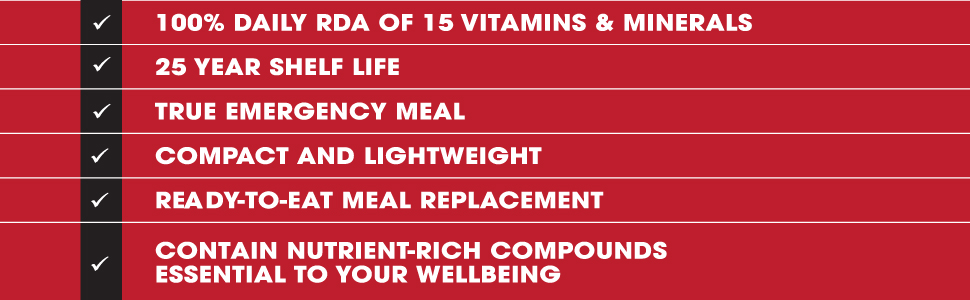
| 720 Tabs Emergency Food Survival Gluten Free and Non-GMO 25 Years Shelf Life | Food Supply 96 Tabs Emergency Food Replacement Disaster Preparedness | Ultimate Preparedness Emergency Food Supply 25 year shelf life | Emergency Food Ration Survival MREs Food Replacement | Emergency Food Survival Food Meal Replacement MREs Gluten Free and Non-GMO | |
| Day Serving | 60 days | 8 days | 120 days | 15 days | 2 days |
| Shelf-Life | 25 years | 25 years | 25 years | 25 years | 25 years |
| Non-GMO | ✓ | ✓ | ✓ | ✓ | ✓ |
| Gluten Free | ✓ | ✓ | ✓ | ✓ | ✓ |
| Tabs Amount | 720 | 96 | 1440 | 180 | 24 |