Best Practices for Setting Up a Sustainable Off-Grid Home
Transitioning to off-grid living is a rewarding journey towards self-sufficiency and environmental stewardship. Here’s how to set up your sustainable off-grid home, ensure environmentally friendly hunting and fishing practices, forage for beginner-friendly plants, and equip yourself with essential bushcraft tools.
1. Setting Up a Sustainable Off-Grid Home
Creating a sustainable off-grid home involves several key components:
- Location Selection: Choose land with access to natural resources like sunlight and water. Ensure compliance with local regulations and zoning laws[1].
- Energy Generation: Install a solar power system comprising solar panels, charge controllers, batteries, and inverters to harness and store energy[2][5].
- Water Management: Implement rainwater collection systems or drill a well. Use water filtration systems to ensure clean water supply[3].
- Waste Systems: Use composting toilets and greywater systems for sustainable waste management[1].
#SustainableLiving, #OffGridHome
2. Environmentally Friendly Hunting and Fishing
To hunt and fish sustainably:
- Research: Understand local wildlife regulations and seasons to avoid overharvesting.
- Ethical Practices: Use methods like rod-and-reel fishing or spearfishing, which minimize bycatch and habitat disruption[4].
- Conservation Mindset: Prioritize species that are abundant and avoid those that are threatened.
#SustainableHunting, #EcoFishing
3. Beginner-Friendly Plants to Forage
Foraging can supplement your food supply with nutritious wild plants:
- Berries: Blackberries, raspberries, and blueberries are easy to identify and widely available.
- Wild Greens: Dandelion greens and wild garlic are nutritious and commonly found in many areas.
- Nuts: Acorns and walnuts provide protein and are often abundant in the wild.
Always ensure proper identification of plants to avoid toxic varieties.
#Foraging, #WildEdibles
4. Key Components of a Solar-Powered Off-Grid Home
A solar-powered off-grid home requires:
- Solar Panels: Capture sunlight to generate electricity.
- Charge Controller: Regulates the flow of electricity from the panels to the batteries[5].
- Battery Bank: Stores energy for use during low sunlight periods.
- Inverter: Converts DC electricity from the batteries into AC power for household appliances[2].
These components work together to provide a reliable energy source independent of the grid.
#SolarPower, #RenewableEnergy
5. Essential Bushcraft Tools for Beginners
Starting with bushcraft requires some basic tools:
- Fixed Blade Knife: Essential for cutting wood, preparing food, and crafting.
- Axe or Hatchet: Useful for chopping wood and building shelters.
- Folding Saw: Ideal for cutting branches.
- Cordage (e.g., Paracord): Necessary for building shelters and traps.
These tools form the foundation of bushcraft skills necessary for survival in the wilderness.
#BushcraftTools, #SurvivalSkills
By following these guidelines, you can establish a sustainable off-grid lifestyle that is both environmentally conscious and self-reliant.
 |
 |
 |
 |
 |
|
|---|---|---|---|---|---|
| 720 Tabs Emergency Food Survival Gluten Free and Non-GMO 25 Years Shelf Life | Food Supply 96 Tabs Emergency Food Replacement Disaster Preparedness | Ultimate Preparedness Emergency Food Supply 25 year shelf life | Emergency Food Ration Survival MREs Food Replacement | Emergency Food Survival Food Meal Replacement MREs Gluten Free and Non-GMO | |
| Day Serving | 60 days | 8 days | 120 days | 15 days | 2 days |
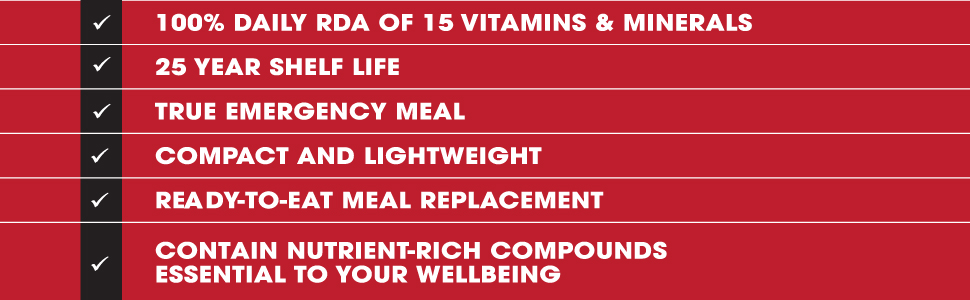
| Shelf-Life | 25 years | 25 years | 25 years | 25 years | 25 years |
| Non-GMO | ✓ | ✓ | ✓ | ✓ | ✓ |
| Gluten Free | ✓ | ✓ | ✓ | ✓ | ✓ |
| Tabs Amount | 720 | 96 | 1440 | 180 | 24 |