Best practices for safely relocating trapped animals

Best practices for safely relocating trapped animals include:
1. Choose an appropriate release site at least 5-10 miles away from the capture location[1][4]. The new habitat should match the animal's natural environment (e.g., wooded areas for squirrels, grasslands for voles)[1].
2. Transport the animal safely by covering the trap with a cloth to reduce stress and securing it in your vehicle[1].
3. Release the animal carefully by positioning the trap door facing away from you and towards the habitat. Open the door slowly and allow the animal to exit at its own pace[1].

4. Consider leaving a small amount of food near the release site to help the animal acclimate, though this practice is debated[1].
5. Observe the animal from a distance after release to ensure it can adapt to its new surroundings[1].
6. Be aware of local laws and regulations regarding wildlife relocation. In some areas, like California, written permission may be required to relocate trapped animals[4].
7. Understand that relocation may not always be the best option. For example, relocating a squirrel in winter could be fatal as it would lose access to its food cache[4].
Remember, if you're unsure about any part of the trapping and relocation process, it's best to consult with or hire a professional wildlife removal expert[1].
Citations:
 |
 |
 |
 |
 |
|
|---|---|---|---|---|---|
| 720 Tabs Emergency Food Survival Gluten Free and Non-GMO 25 Years Shelf Life | Food Supply 96 Tabs Emergency Food Replacement Disaster Preparedness | Ultimate Preparedness Emergency Food Supply 25 year shelf life | Emergency Food Ration Survival MREs Food Replacement | Emergency Food Survival Food Meal Replacement MREs Gluten Free and Non-GMO | |
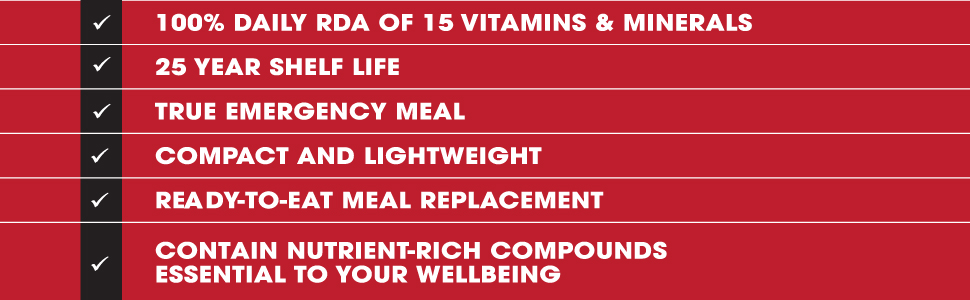
| Day Serving | 60 days | 8 days | 120 days | 15 days | 2 days |
| Shelf-Life | 25 years | 25 years | 25 years | 25 years | 25 years |
| Non-GMO | ✓ | ✓ | ✓ | ✓ | ✓ |
| Gluten Free | ✓ | ✓ | ✓ | ✓ | ✓ |
| Tabs Amount | 720 | 96 | 1440 | 180 | 24 |