Best Heirloom Seeds for a Survival Garden
When choosing seeds for your survival garden, focus on:
1. Nutritional value
2. Ease of growing
3. Storage life
4. Versatility in cooking
Some of the best heirloom varieties to consider include:
- Beans (bush and pole varieties)
- Tomatoes (Roma and beefsteak)
- Carrots
- Kale
- Spinach
- Squash (winter and summer varieties)
- Peppers (bell and hot)
- Onions
- Potatoes
- Corn
These crops provide a good balance of nutrients and can be preserved through various methods[1].
Proper Drying and Storing Seeds
To ensure long-term viability:
1. Harvest seeds when fully mature
2. Clean seeds thoroughly
3. Dry seeds completely (use a food dehydrator or air-dry in a warm, dry place)
4. Store in airtight containers with desiccant packets
5. Label containers with seed type and date
6. Store in a cool, dark place (ideally below 50°F/10°C)
Properly stored seeds can remain viable for 3-5 years or more, depending on the variety[2].
Benefits of Vacuum Sealing for Seed Storage
Vacuum sealing offers several advantages:
1. Removes air, reducing oxidation
2. Prevents moisture intrusion
3. Protects against pests
4. Extends seed viability
5. Saves space
Consider using a vacuum sealer with special seed-saving bags for optimal results[3].
Preventing Cross-Pollination When Saving Seeds
To maintain seed purity:
1. Understand plant families and their pollination methods
2. Isolate different varieties by distance or physical barriers
3. Use row covers or bags to protect flowers
4. Hand-pollinate when necessary
5. Stagger planting times for similar varieties
These methods help ensure your saved seeds will produce true-to-type plants in future seasons[4].
Effective Methods for Storing Seeds in Small Spaces
Maximize your seed storage in limited areas:
1. Use stackable containers
2. Employ hanging organizers
3. Utilize door-mounted storage systems
4. Repurpose photo albums or trading card binders
5. Create a seed library using file cabinets or drawer organizers
These solutions help keep your seeds organized and accessible while minimizing space requirements[2].
By following these guidelines, you can create a robust seed stockpile for your survival garden, ensuring a sustainable food source for years to come. Remember to regularly rotate your seed stock and perform germination tests to maintain the viability of your collection.
#HeirloomSeeds #SurvivalGarden #SeedStorage #FoodSecurity #SelfSufficiency #PrepperLife #OrganicGardening #SustainableLiving #EmergencyPreparedness #HomesteadingSkills
 |
 |
 |
 |
 |
|
|---|---|---|---|---|---|
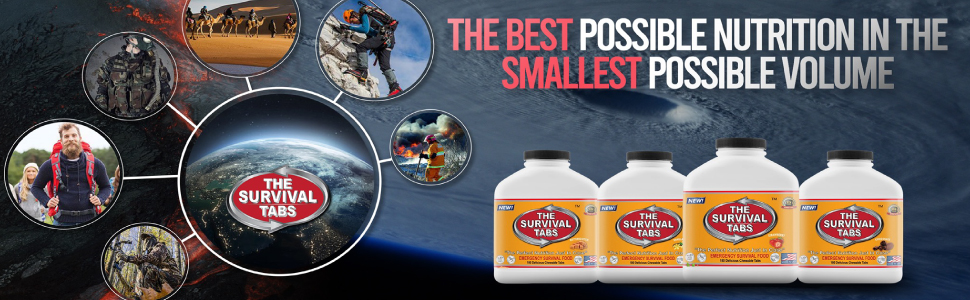
| 720 Tabs Emergency Food Survival Gluten Free and Non-GMO 25 Years Shelf Life | Food Supply 96 Tabs Emergency Food Replacement Disaster Preparedness | Ultimate Preparedness Emergency Food Supply 25 year shelf life | Emergency Food Ration Survival MREs Food Replacement | Emergency Food Survival Food Meal Replacement MREs Gluten Free and Non-GMO | |
| Day Serving | 60 days | 8 days | 120 days | 15 days | 2 days |
| Shelf-Life | 25 years | 25 years | 25 years | 25 years | 25 years |
| Non-GMO | ✓ | ✓ | ✓ | ✓ | ✓ |
| Gluten Free | ✓ | ✓ | ✓ | ✓ | ✓ |
| Tabs Amount | 720 | 96 | 1440 | 180 | 24 |