Alternative Materials for Water Filter Layers
When constructing a homemade water filter, you can use various materials for each layer:
1. Gravel layer:
- Crushed stones
- Pebbles
- Small rocks
2. Sand layer:
- Crushed glass (carefully prepared to avoid sharp edges)[2]
- Expanded aluminosilicate (Filtralite)[3]
3. Charcoal layer:
- Activated carbon from coconut shells
- Bone char
- Commercial activated carbon
4. Cloth layer:
- Coffee filters
- Tightly woven fabric
- Fine mesh screen
Improving Homemade Water Filter Efficiency
To enhance your filter's performance:
1. Use multiple layers: Repeat the layering process to increase filtration effectiveness.
2. Incorporate activated carbon: This material is highly effective at removing chemicals and improving taste[3].
3. Add a biological layer: In slow sand filters, a layer of beneficial microorganisms can form, enhancing purification[3].
4. Maintain proper flow rate: Slower water flow allows more contact time with filtration media, improving efficiency.
5. Pre-filter larger debris: Use a cloth or fine mesh to remove larger particles before the main filtration process.
Signs Your Water Filter Needs Maintenance
Watch for these indicators that your filter requires attention[1]:
1. Unusual taste or odor in filtered water
2. Decreased water pressure or slower filtration
3. Visible leaks around the filter system
4. Strange noises during operation
5. Filters appear visibly dirty or clogged
Regular maintenance, including replacing filter media and cleaning the system, is crucial for optimal performance.
Alternative Containers for Water Filters
While plastic bottles are common, consider these alternatives:
1. Hollowed-out logs
2. Bamboo sections
3. Clay or ceramic pots
4. Metal cans or containers
5. PVC pipes
Ensure the chosen container is clean, non-toxic, and can support the weight of the filtration materials.
Making Charcoal in a Survival Situation
Charcoal is a crucial component of many water filters. Here's a simplified method to make charcoal[2]:
1. Choose a site: Select a clear area away from flammable materials.
2. Dig a pit: Create a hole about 3 feet deep and wide enough to fit your wood.
3. Prepare wood: Cut wood into manageable pieces, about 4-5 inches wide.
4. Start a fire: Begin a fire at the bottom of the pit.
5. Add wood: Once you have a good bed of coals, add your prepared wood.
6. Cover and seal: Use a metal lid or soil to cover the pit, leaving small air holes at the base.
7. Monitor and adjust: Watch the smoke color; when it turns from white to blue, seal all air holes.
8. Cool and harvest: Allow the pit to cool for 24-48 hours before harvesting your charcoal.
Remember, the key to effective water filtration is using multiple purification methods. While a homemade filter can remove many contaminants, it's best to combine filtration with boiling or chemical treatment for the safest drinking water in survival situations.
#WaterFiltration #SurvivalSkills #EmergencyPreparedness #DIYFilter #CleanWater #Charcoal #SustainableLiving
 |
 |
 |
 |
 |
|
|---|---|---|---|---|---|
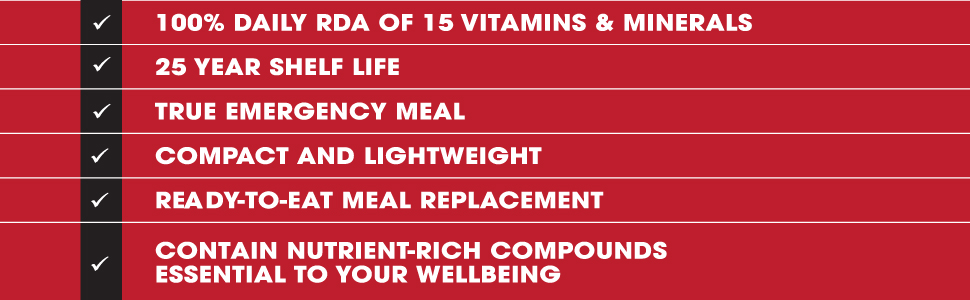
| 720 Tabs Emergency Food Survival Gluten Free and Non-GMO 25 Years Shelf Life | Food Supply 96 Tabs Emergency Food Replacement Disaster Preparedness | Ultimate Preparedness Emergency Food Supply 25 year shelf life | Emergency Food Ration Survival MREs Food Replacement | Emergency Food Survival Food Meal Replacement MREs Gluten Free and Non-GMO | |
| Day Serving | 60 days | 8 days | 120 days | 15 days | 2 days |
| Shelf-Life | 25 years | 25 years | 25 years | 25 years | 25 years |
| Non-GMO | ✓ | ✓ | ✓ | ✓ | ✓ |
| Gluten Free | ✓ | ✓ | ✓ | ✓ | ✓ |
| Tabs Amount | 720 | 96 | 1440 | 180 | 24 |