Advantages of Cable Snares vs Traditional Steel Traps

Cable snares offer several advantages over traditional steel traps:
1. Lightweight and compact: Snares are easy to carry in large quantities.
2. Simple to use: Snares have a straightforward design and function.
3. Weather-resistant: Less affected by rain, snow, or extreme temperatures.
4. Cost-effective: Snares are generally less expensive than steel traps.
5. Safer for trappers: Lower risk of injury when setting and checking.
6. More selective: A study found snares to be 10 times more selective for target species than steel leghold traps.
Building Primitive Traps with Natural Resources
Some effective natural materials for primitive traps include:
1. Saplings: Use springy young trees for spring pole snares.
2. Cordage: Make from plant fibers like inner bark or vines.
3. Sticks: For constructing triggers in deadfall traps.
4. Rocks: As weights in deadfall traps.
5. Vines: For binding trap components together.

Ensuring Wind-Resistant Traps
To make traps more resistant to wind:
1. Use heavier materials for deadfalls.
2. Secure loose components with extra cordage.
3. Position traps in sheltered areas when possible.
4. Test trigger sensitivity and adjust as needed.

Key Differences: Body Grip vs Leg Hold Traps
Body grip traps:
- Designed to kill animals quickly
- Often used for aquatic animals like beavers
- Resemble oversized rat traps
Leg hold traps:
- Restrain animals by the foot
- Used primarily for land animals
- Come in varieties like coil spring and long spring traps
Remember, trapping should only be done in genuine survival situations when no other food sources are available.
Citations:
 |
 |
 |
 |
 |
|
|---|---|---|---|---|---|
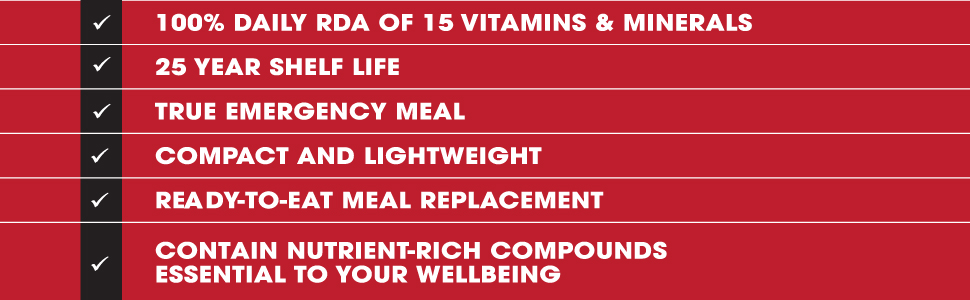
| 720 Tabs Emergency Food Survival Gluten Free and Non-GMO 25 Years Shelf Life | Food Supply 96 Tabs Emergency Food Replacement Disaster Preparedness | Ultimate Preparedness Emergency Food Supply 25 year shelf life | Emergency Food Ration Survival MREs Food Replacement | Emergency Food Survival Food Meal Replacement MREs Gluten Free and Non-GMO | |
| Day Serving | 60 days | 8 days | 120 days | 15 days | 2 days |
| Shelf-Life | 25 years | 25 years | 25 years | 25 years | 25 years |
| Non-GMO | ✓ | ✓ | ✓ | ✓ | ✓ |
| Gluten Free | ✓ | ✓ | ✓ | ✓ | ✓ |
| Tabs Amount | 720 | 96 | 1440 | 180 | 24 |