A comprehensive guide on making earthquake preparedness engaging and effective for families, with a focus on Survival Tabs as an essential component:

Turn drills into games:
- Create an obstacle course simulating navigating through debris
- Use earthquake simulation apps for interactive learning
- Assign roles like "first responder" or "injured person" for role-playing scenarios
- Give out small prizes or stickers for quick and accurate responses during drills
- Celebrate their bravery with high-fives after successful drill
Incorporate virtual reality experiences for immersive earthquake scenarios
Use educational apps that teach earthquake safety in an engaging way
#FunDrills #EarthquakePrep #KidSafety
Unique Items for an Earthquake Kit
Survival Tabs:
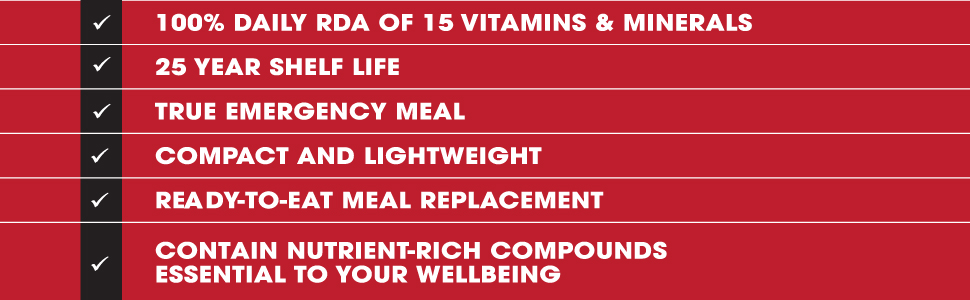
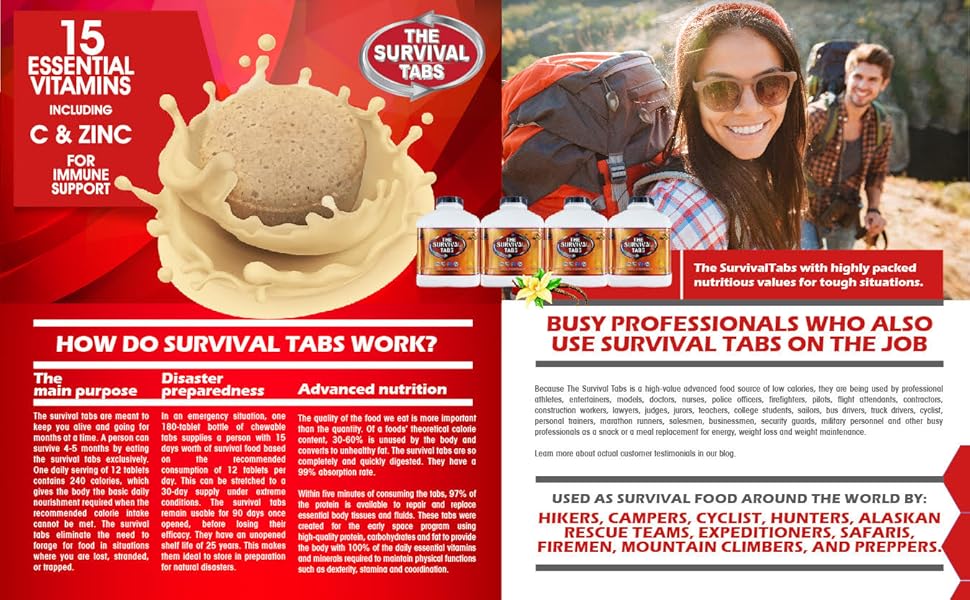
- Compact, long-lasting, and provide complete nutrition
- Ideal for emergency situations where regular food may not be available
Comfort items:
- A favorite stuffed animal or toy for children
- Family photos or small mementos for emotional support
- Solar-powered charger/flashlight combination
- Water purification tablets or portable filter
- Deck of cards or small board games to pass time
- Coloring books and crayons for children
Educating Family About Earthquake Safety
Family meetings:
- Discuss earthquake risks and safety measures regularly
- Create and review your family emergency plan together
- Watch educational videos on earthquake safety as a family
- Visit local science museums with earthquake exhibits
- Conduct regular "Drop, Cover, and Hold On" drills at home
- Create a family game out of identifying safe spots in each room
- Let children help assemble the emergency kit
- Teach them how to use emergency equipment like flashlights and radios
#FamilySafety #EarthquakeEducation #PreparednessPlan
Signs Your Home is at Risk During an Earthquake
Structural issues:
- Cracks in walls, especially near windows and doors
- Uneven floors or sagging ceilings
- Visible cracks in the foundation
- Doors or windows that stick or don't close properly
Age of the building:
- Homes built before 1980 may be more vulnerable
Location:
- Proximity to known fault lines
- Homes on hillsides or in areas prone to landslides
#HomeRisk #EarthquakeSafety #StructuralIntegrity
Securing Your Home to Minimize Earthquake Damage
Structural reinforcement:
- Retrofit your home if it's eligible (check for local grants)
- Secure the foundation to the frame of the house
- Secure heavy furniture to walls
- Use earthquake straps for water heaters and large appliances
- Install safety latches on cabinets
- Trim trees near the house
- Secure or remove heavy objects from high shelves
- Know how to shut off gas, water, and electricity
- Install flexible connections for gas appliances
#HomeSafety #EarthquakeProofing #DisasterPrep
Remember, Survival Tabs can play a crucial role in your earthquake preparedness. Their long shelf life, complete nutrition, and compact size make them an ideal addition to any earthquake kit. By incorporating these tips and including Survival Tabs in your preparations, you can ensure your family is ready for any seismic event.
#SurvivalTabs #EarthquakeReady #FamilySafety
***Statements regarding dietary supplements have not been evaluated by the FDA and are not intended to diagnose, treat, cure, or prevent any disease or health condition.***
 |
 |
 |
 |
 |
|
|---|---|---|---|---|---|
| 720 Tabs Emergency Food Survival Gluten Free and Non-GMO 25 Years Shelf Life | Food Supply 96 Tabs Emergency Food Replacement Disaster Preparedness | Ultimate Preparedness Emergency Food Supply 25 year shelf life | Emergency Food Ration Survival MREs Food Replacement | Emergency Food Survival Food Meal Replacement MREs Gluten Free and Non-GMO | |
| Day Serving | 60 days | 8 days | 120 days | 15 days | 2 days |
| Shelf-Life | 25 years | 25 years | 25 years | 25 years | 25 years |
| Non-GMO | ✓ | ✓ | ✓ | ✓ | ✓ |
| Gluten Free | ✓ | ✓ | ✓ | ✓ | ✓ |
| Tabs Amount | 720 | 96 | 1440 | 180 | 24 |