A comprehensive guide on bushcraft knives, maintenance, common mistakes, choosing the right knife, and using folding saws
 Best Materials for Bushcraft Knives
The most popular materials for bushcraft knives are:
- Carbon steel (e.g. 1095, O1, 5160): Tough, easy to sharpen, but prone to rust
- Stainless steel (e.g. 440C, S30V, 12C27): Corrosion-resistant, holds an edge well
- Tool steel (e.g. D2, CPM-3V): Balanced between carbon and stainless properties
Carbon steel is traditionally preferred for its toughness and ease of sharpening, but modern stainless steels are increasingly popular for their corrosion resistance and edge retention[2].
Maintaining a Bushcraft Knife in Harsh Conditions
To keep your knife in top condition:
1. Clean and dry the blade after each use
2. Apply a thin coat of oil to carbon steel blades to prevent rust
3. Regularly inspect for damage and sharpen as needed
4. Store in a dry place, ideally with moisture-absorbing materials
5. For carbon steel, consider using a rust inhibitor or protective coating[6]
Common Beginner Mistakes
Novice bushcrafters often make these errors:
1. Choosing a knife based on looks rather than function
2. Using the wrong knife for a specific task
3. Falling for big-name brands without researching quality
4. Not learning proper knife handling techniques
5. Failing to respect the knife as a dangerous tool
6. Neglecting regular maintenance[7]

Choosing the Right Bushcraft Knife
Consider these factors when selecting a knife:
- Intended use (e.g. wood carving, food prep, general tasks)
- Blade length (typically 3.5-5 inches for versatility)
- Full tang construction for durability
- Comfortable, ergonomic handle
- Appropriate steel type for your needs
- Scandinavian grind for versatile cutting performance[4]
Benefits of Folding Saws in Bushcraft
Folding saws offer several advantages over fixed blades:
1. Compact and lightweight for easy carrying
2. Safer to transport when folded
3. More efficient for cutting larger pieces of wood
4. Reduces the need for heavy chopping tools
5. Complements a knife for a wide range of tasks[8]
Best practices for using a folding saw:
- Choose a saw with a locking blade for safety
- Use smooth, long strokes with light pressure
- Let the saw do the work - don't force it
- Keep the blade clean and oiled
- Store properly to protect the blade[5]
#Bushcraft #SurvivalKnife #OutdoorGear #WildernessSurvival #BushcraftSkills #KnifeMaintenance #FoldingSaw #CampingTools #OutdoorAdventure #WildernessLiving
Remember, the key to successful bushcraft is choosing the right tools for your needs and maintaining them properly. Practice safe handling techniques and always respect your tools and the environment.
***Statements regarding dietary supplements have not been evaluated by the FDA and are not intended to diagnose, treat, cure, or prevent any disease or health condition.***
 |
 |
 |
 |
 |
|
|---|---|---|---|---|---|
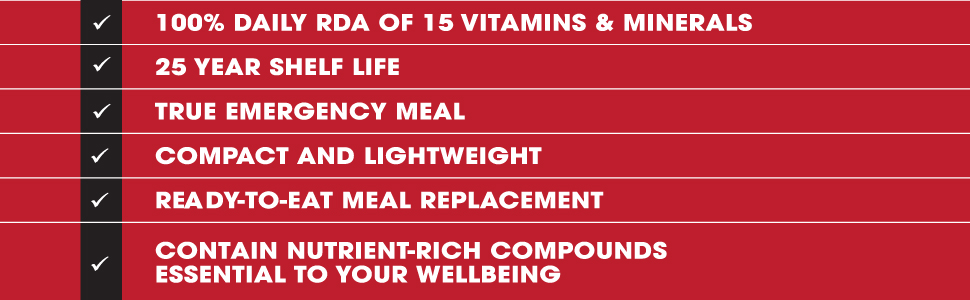
| 720 Tabs Emergency Food Survival Gluten Free and Non-GMO 25 Years Shelf Life | Food Supply 96 Tabs Emergency Food Replacement Disaster Preparedness | Ultimate Preparedness Emergency Food Supply 25 year shelf life | Emergency Food Ration Survival MREs Food Replacement | Emergency Food Survival Food Meal Replacement MREs Gluten Free and Non-GMO | |
| Day Serving | 60 days | 8 days | 120 days | 15 days | 2 days |
| Shelf-Life | 25 years | 25 years | 25 years | 25 years | 25 years |
| Non-GMO | ✓ | ✓ | ✓ | ✓ | ✓ |
| Gluten Free | ✓ | ✓ | ✓ | ✓ | ✓ |
| Tabs Amount | 720 | 96 | 1440 | 180 | 24 |