

Special Dietary Needs in Emergencies Guide
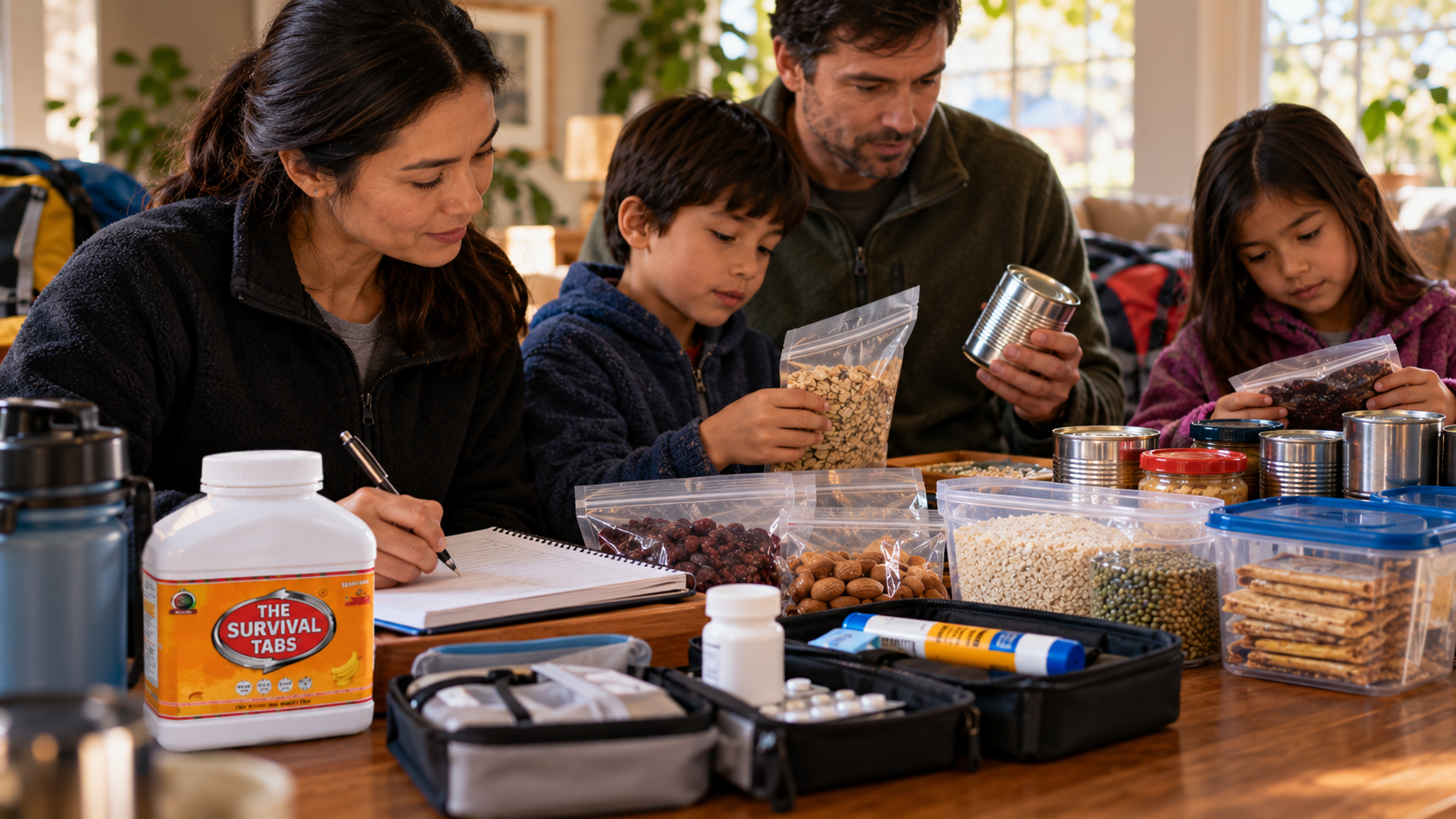
Special Dietary Needs in Emergencies Guide
Emergency food must work for the person eating it. Allergies, celiac disease, diabetes, kidney disease, swallowing difficulty, pregnancy, infancy and other needs require advance planning and sometimes professional guidance.
Document the need
Keep an updated food and medication plan, allergies, emergency contacts and safe substitutions. Protect private health information while making essential details available to authorized caregivers.
Verify every label
Formulations change. Keep original packaging, review cross-contact statements and separate allergy-safe foods from household supplies.
Plan utilities and access
Include no-cook foods, safe water, required utensils, feeding equipment, refrigeration or backup power where applicable. Discuss medication and therapeutic-diet continuity with qualified professionals.
Infants and swallowing needs
Follow current specialist guidance for infant feeding and texture-modified diets. Do not substitute ordinary emergency products for formula, therapeutic food or prescribed nutrition.
Survival Tabs boundary
Current reviewed information includes milk solids. The product is not suitable for every diet, and this guide cannot determine individual safety.