

Emergency Preparedness for People with Disabilities
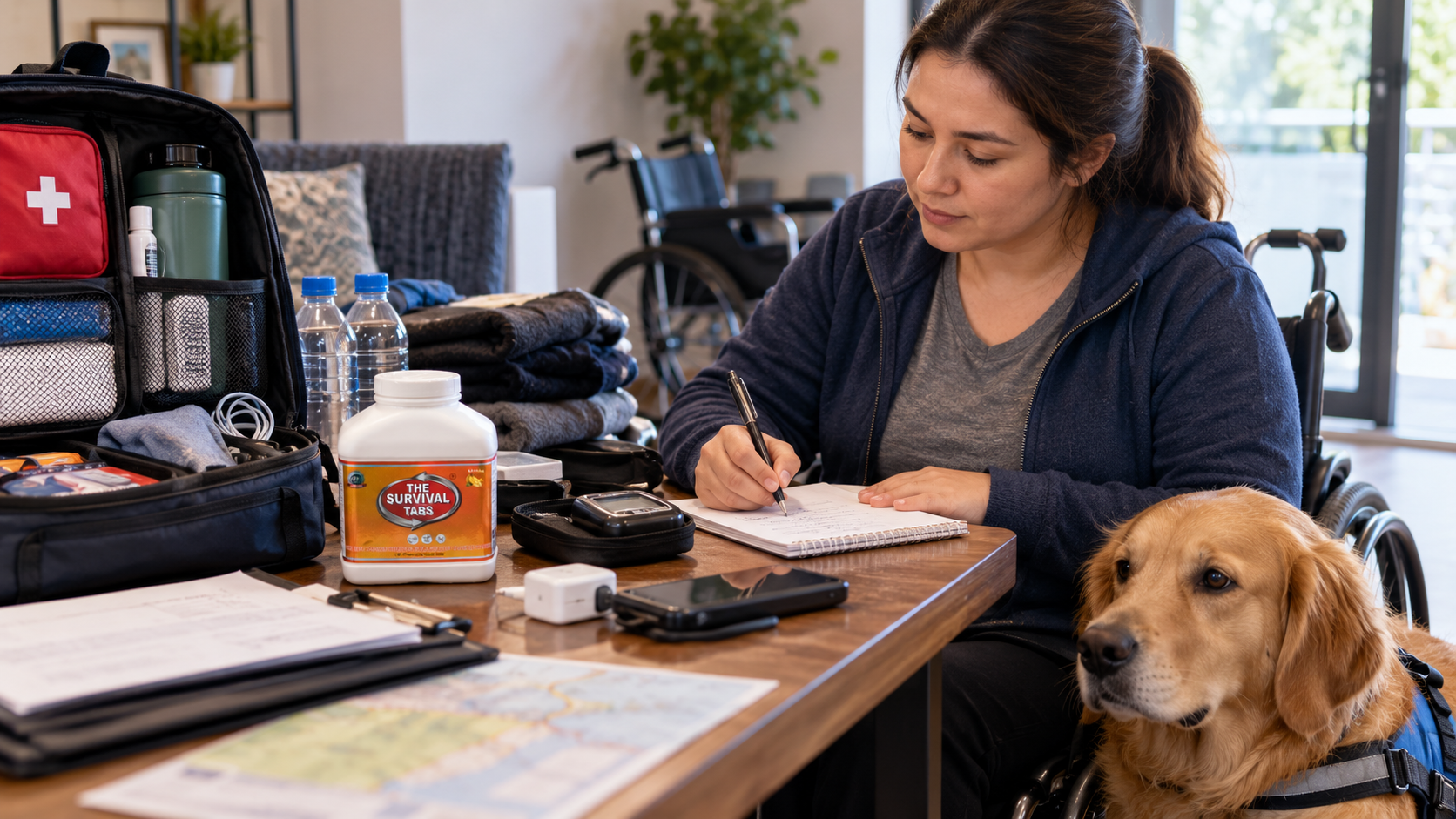
Emergency planning should start with the individual rather than a generic checklist. Consider communication, mobility, transportation, power, equipment, sensory needs, personal assistance, and access to information.
Personal support plan
Write down assistance that may be needed and identify trusted support contacts.
Communication
Plan more than one way to receive alerts and communicate, using familiar and accessible tools. Keep essential instructions available offline.
Equipment and supplies
Include chargers, batteries, consumables, accessories, and backup items normally required for essential equipment. Include loss of power and transportation disruption in the plan.
Important records
Keep an up-to-date list of medications and other essential information with appropriate contacts. Follow existing storage instructions and individualized directions.
Transportation and evacuation
Know more than one usable exit route and include wheelchairs, service animals, mobility aids, communication devices, and personal-assistance requirements in evacuation planning.
Food, water and sheltering
Build ordinary emergency reserves while considering package accessibility, preparation requirements, and reachable storage locations.
Survival Tabs may serve as one compact shelf-stable food component when appropriate to the individual's established dietary requirements; those requirements take priority.